

As the crash games market becomes increasingly crowded, Aviatrix is embarking on its most ambitious evolution yet. Chief business development officer and co-founder Mikalai Pobal explains how the business is expanding beyond its flagship title by building an interconnected game portfolio – and the challenges associated with such a transformational expansion.
Few game formats have reshaped the online casino landscape as quickly as crash games.
Simple, fast-paced and highly engaging, the genre has carved out a unique position within iGaming, attracting players with straightforward mechanics and a greater sense of control over gameplay. While numerous studios have entered the market in recent years, Aviatrix was among the pioneers that helped establish crash gaming as a major category through the launch of its flagship, eponymous title in 2022.
The game’s distinctive aircraft theme, social features and player-driven mechanics quickly struck a chord with audiences around the world. Four years on, Aviatrix still attracts tens of thousands of daily active users and remains one of the industry’s best-known crash titles.
Building on this success, the business is now embarking on a new phase of its evolution. Having spent almost three years focused on building a platform for the iGaming metaverse, Aviatrix is expanding into a broader portfolio of games connected through what it describes as an iGaming Metaverse – a shared ecosystem where players carry progression, rewards and achievements across multiple titles.
It represents a significant strategic shift for a business that built its reputation around one game. However, chief business development officer and co-founder Mikalai Pobal believes the move creates opportunities for both players and operators alike.
Managing growing pains
Scaling from a one-game business into a multi-title studio inevitably brings challenges.
For Aviatrix, the transition has required a fresh approach. Teams, processes and delivery targets that were originally designed around a single product suddenly needed to accommodate a much broader roadmap.
“Everything in the company had to change, from the way that we work, increased workload for design and marketing teams, to a new scope of work for the account management team and more,” Pobal explained.
“The biggest change in the company has been the amount of new activities that we had to identify, describe and fine-tune, but as with everything, it will soon become a standard routine for everyone.”
The challenge is not simply about producing more games. Aviatrix is targeting a release cadence of up to one new title per month, with ambitions to increase that pace further once the model is fully established.
Maintaining quality while accelerating production has therefore become a major focus. To support this, the business has expanded its development capabilities and established dedicated teams working specifically on new releases.
According to Pobal, strategic hiring has been essential in ensuring that creativity and production standards are not sacrificed in pursuit of growth. At the same time, managing organisational change has been just as important as scaling development resources.
As the business grows, Aviatrix has also invested in internal leadership programmes designed to help managers guide teams through periods of rapid transformation.
“Every change needs to be properly communicated with teams, and team members must really understand and be on board with what is needed and why,” he said. “It is only by doing this that you can achieve your goal of the company working like a well-oiled machine, with teams on good terms with each other and the company having a cooperative culture.”
Building an ecosystem, not just a portfolio
While many game studios expand by releasing standalone products, Aviatrix is taking a different approach.
Rather than viewing each new release as a separate destination for players, the business is building a connected ecosystem where every game contributes towards a single progression journey.
The concept sits at the heart of what Aviatrix refers to as its iGaming Metaverse.
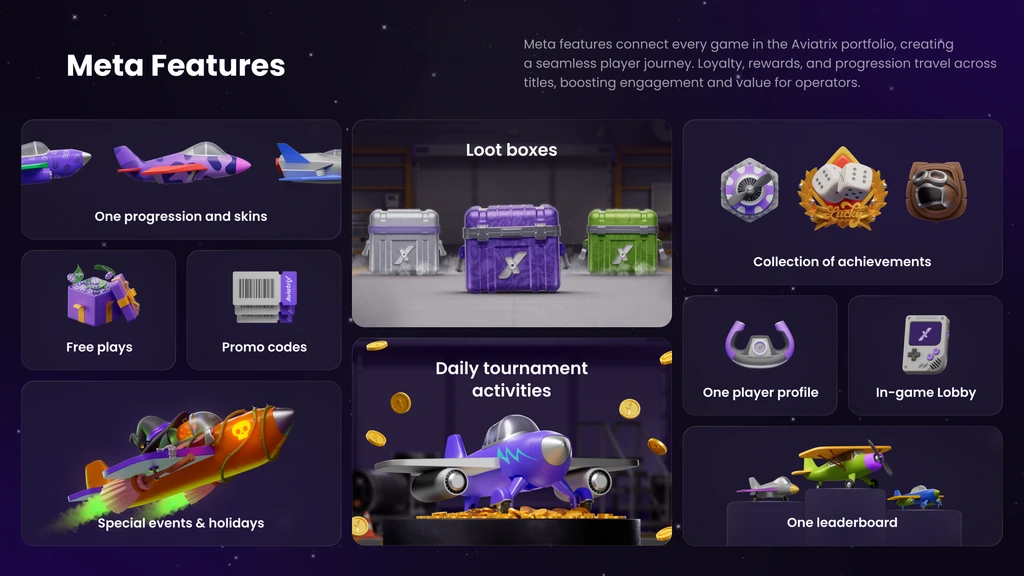
In practical terms, this means players maintain one profile, one progression path and one rewards system across the entire portfolio. Activity in any game contributes towards achievements, loyalty milestones and rewards, creating continuity between titles.
Pobal believes this addresses a long-standing challenge within casino gaming.
“Casinos get hundreds and hundreds of new games from providers each month, games with just slightly different colours and sounds and similar game mechanics,” he said.
“No one has released anything that would work in players’ and operators’ favour, giving both something extra. And we decided to change that.”
An interconnected portfolio
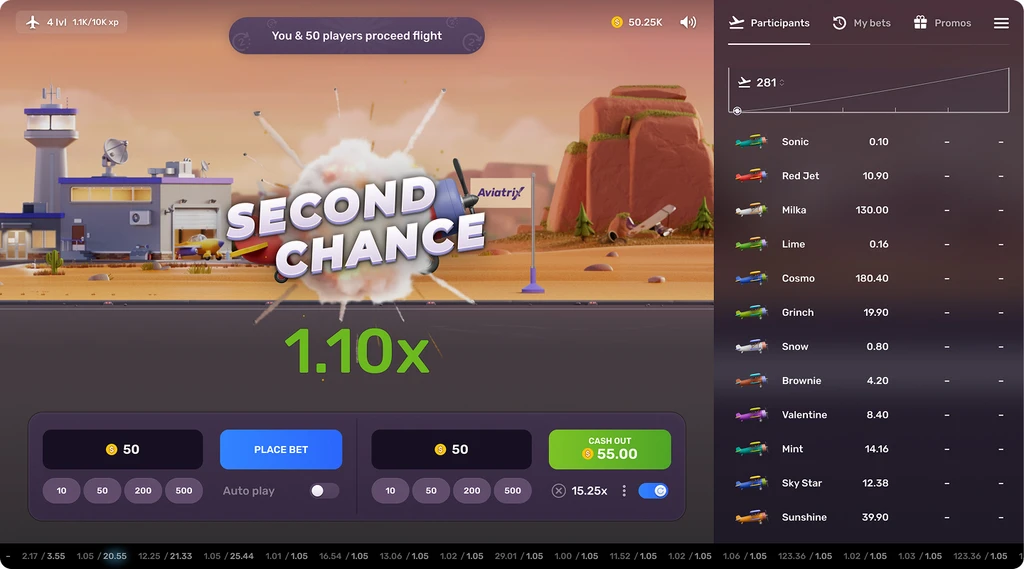
The first step in that strategy arrived with Aviatrix Second Chance, which launched earlier this year. Building upon the original crash formula, the game introduces the possibility of a second flight after a crash, adding another layer of volatility and excitement while remaining connected to the same progression system as the original title.
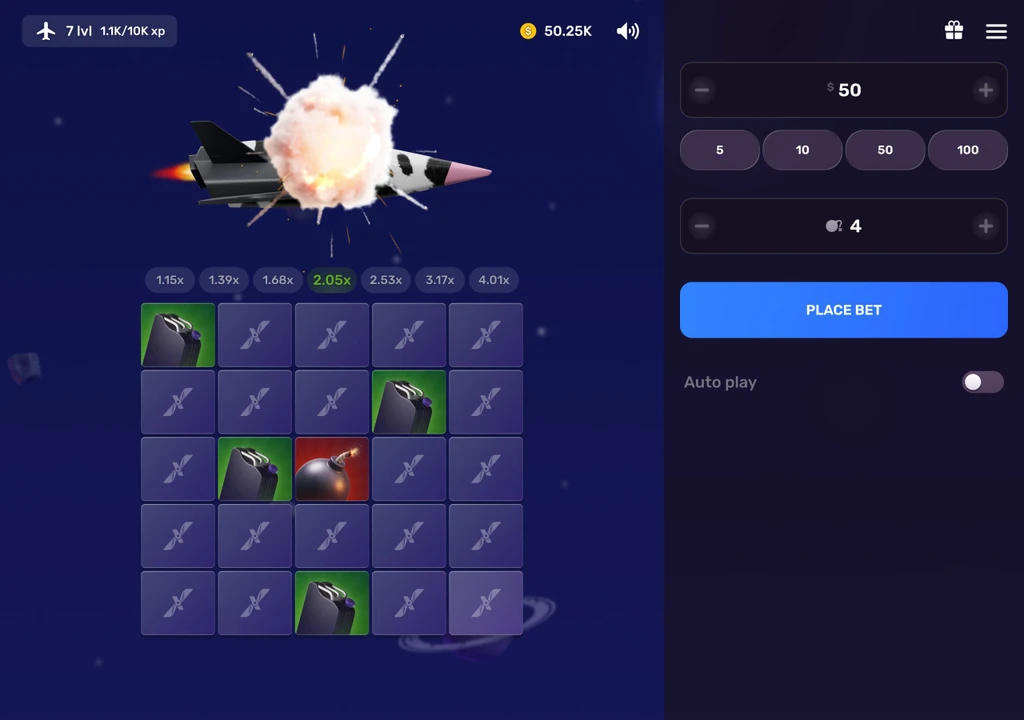
More recently, Aviatrix expanded into slots with Aviatrix Fruits, while Aviatrix Mines is scheduled to follow shortly. Although the gameplay mechanics differ significantly from the flagship crash title, each release remains connected through the shared metaverse layer.
The objective is not simply to increase the number of games available but to strengthen player retention by giving users a reason to remain within the wider Aviatrix ecosystem.
Features such as tournaments, rewards, free bets, loot boxes and customisable aircraft skins are all shared across the portfolio, ensuring progress is never lost when players move between titles.
For operators, the model potentially opens up new opportunities around promotions and engagement. Rather than running campaigns on individual games, activities can be structured across an entire interconnected portfolio.
As competition for player attention intensifies, that proposition could become increasingly valuable.
The future of crash and beyond
Even as Aviatrix broadens its portfolio, the company sees significant room for further growth in the crash segment that helped establish its reputation. Competition has intensified as more studios have entered the market, but Pobal said Aviatrix’s focus on innovation, production quality and player loyalty continues to differentiate the brand.
Geographic expansion is another major priority. Having secured licences and certifications across multiple jurisdictions, the company is now targeting further growth in regulated markets, particularly North America and Latin America.
However, international expansion is not without challenges, with Pobal highlighting how different regulatory frameworks between jurisdictions can create obstacles for suppliers seeking to enter new markets.
Despite those hurdles, Pobal said the company sees considerable opportunities ahead. New market entries, recently signed partnerships and a growing portfolio are all expected to support the next phase of Aviatrix’s development. The crash game that launched the business remains at the heart of that strategy, but the ambition today is much broader: to create a connected ecosystem of games that keeps players engaged wherever their Aviatrix journey takes them.
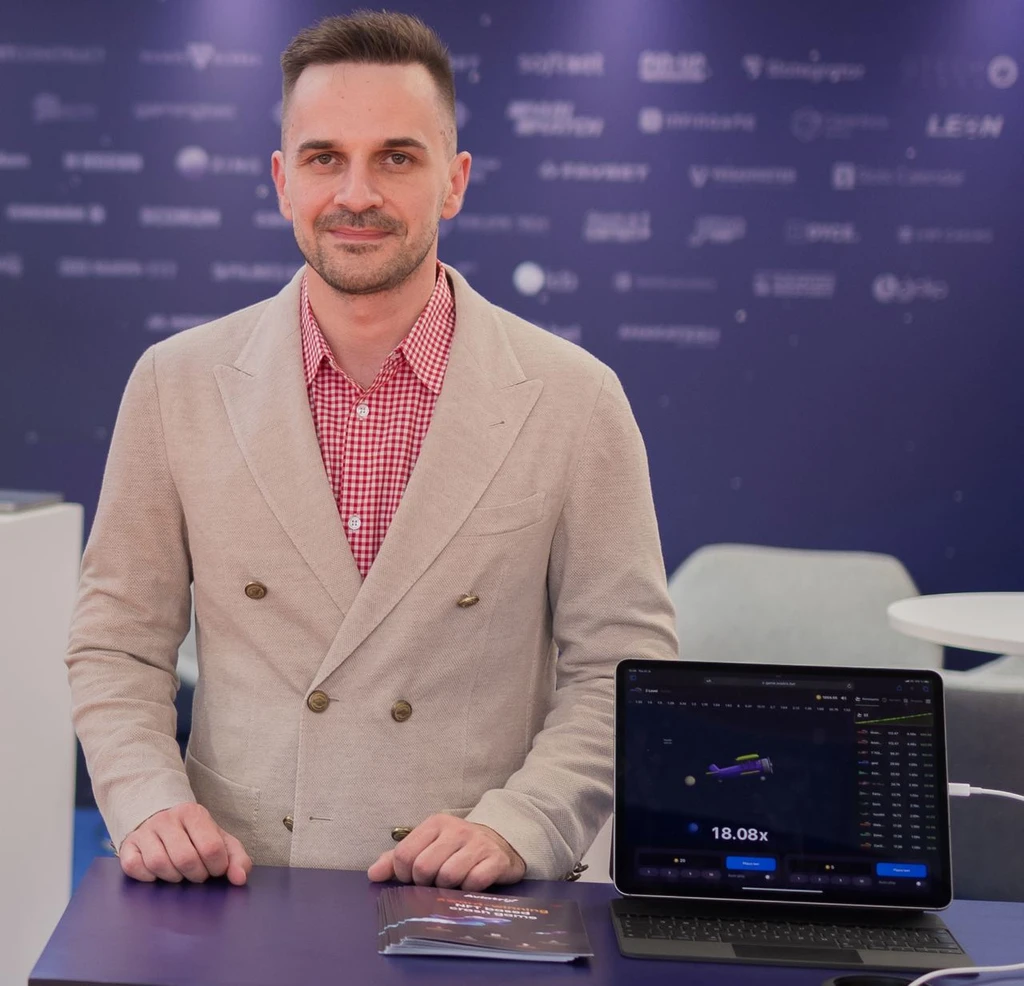
Mikalai Pobal, chief business development officer and co-founder, Aviatrix

