
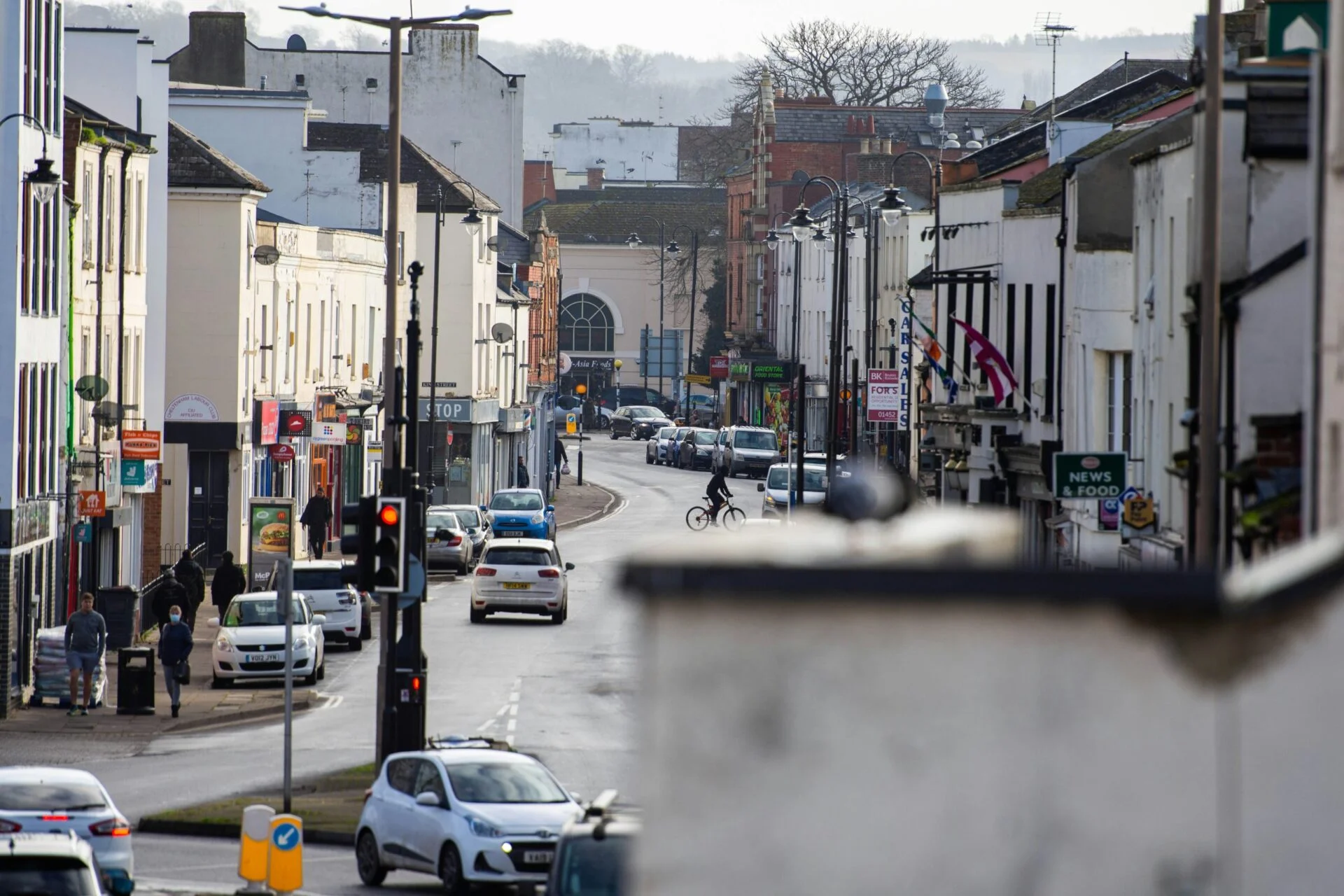
The UK government is set to unveil reforms aimed at strengthening local councils' authority over the types of shops permitted on high streets across Britain. This initiative primarily targets betting shops and adult gaming centers (AGCs) to reduce illegal operations and rejuvenate town centers, with additional focus on vape retailers.
As part of these new measures, the government plans to eliminate the existing ‘aim to permit’ policy for betting shops and 24-hour slot machine arcades, which currently favors the approval of such establishments. Consequently, AGCs in England that provide around-the-clock access to gambling machines will now require explicit planning approval.
Furthermore, any new retail shop in England intending to sell e-cigarettes or vapes must secure planning permission before commencing operations.
Prime Minister Andy Burnham took to Facebook to criticize betting shops, labeling them as "dodgy businesses." He stated, "We’re giving local people and councils more control over what opens, and tougher powers to crack down on businesses that aren’t good for our communities. For too long, Westminster has stood by while our high streets declined. That ends now."
An official announcement detailing these changes is expected later today. The proposed reforms have elicited mixed reactions from industry stakeholders and local government officials, many of whom caution that mere changes to planning regulations may not be sufficient to counter the ongoing decline of town centers.
The Betting and Gaming Council (BGC) expressed support for the increased local oversight regarding betting shops. A spokesperson remarked, "We support tough action against criminal operators and agree local people should have a proper say over their high streets. But the suggestion that betting shops are spreading unchecked is simply wrong. Betting shop numbers have fallen by over a third since 2019. Around 3,000 shops have closed and over 15,000 jobs have already been lost. It is wrong to lump highly regulated, licensed betting shops together with rogue or criminal businesses. Betting shops still support 37,500 jobs, bring vital footfall to neighboring businesses, and, for many customers, are valued community hubs. The real threat to Britain’s hard-pressed high streets is more empty units and fewer local jobs, not businesses rooted in the communities they serve."
The Local Government Association welcomed the government’s strategy as a “positive step” towards enabling councils to tackle troubling premises. A spokesperson noted that the added powers will assist councils in renewing high streets and shaping their communities, particularly in managing betting and vaping shops, while also revitalizing vacant premises.
Kirsty Caldwell, a compliance consultant at Betsmart, criticized the government’s comparison of licensed betting shops to vape shops, emphasizing the extensive regulatory measures and consumer protections in place within the betting industry. Caldwell pointed out on her LinkedIn page that legal betting shops have been part of UK high streets since the 1960s, adding that it’s inaccurate to classify them alongside industries lacking regulatory oversight that have been linked to illicit activities. "How can a sector, which generates circa £4 billion in tax revenue and well over 100,000 jobs nationwide, be classified alongside industries which have no regulatory control whatsoever and have been proven time and again to be fronts for laundering illicit funds?"
These measures come amid a challenging period for the retail betting sector, marked by multiple closures among leading UK operators. In August, Betfred announced plans to shut down 132 of its betting shops and cut over 600 jobs, attributing these closures to increases in gambling taxes and the UK's Remote Gambling Duty (RGD) rise. CEO Jo Whittaker noted, "We have tried hard to protect all our sites and the colleagues who work in them, but the combined impact of higher employer National Insurance contributions, wage inflation, increases in gambling taxes, and wider economic uncertainty has left us with no choice."
Additionally, Evoke shut down 200 of its William Hill shops earlier this year under similar circumstances, while Ladbrokes reduced its presence in Ireland following unsuccessful sale negotiations.

