
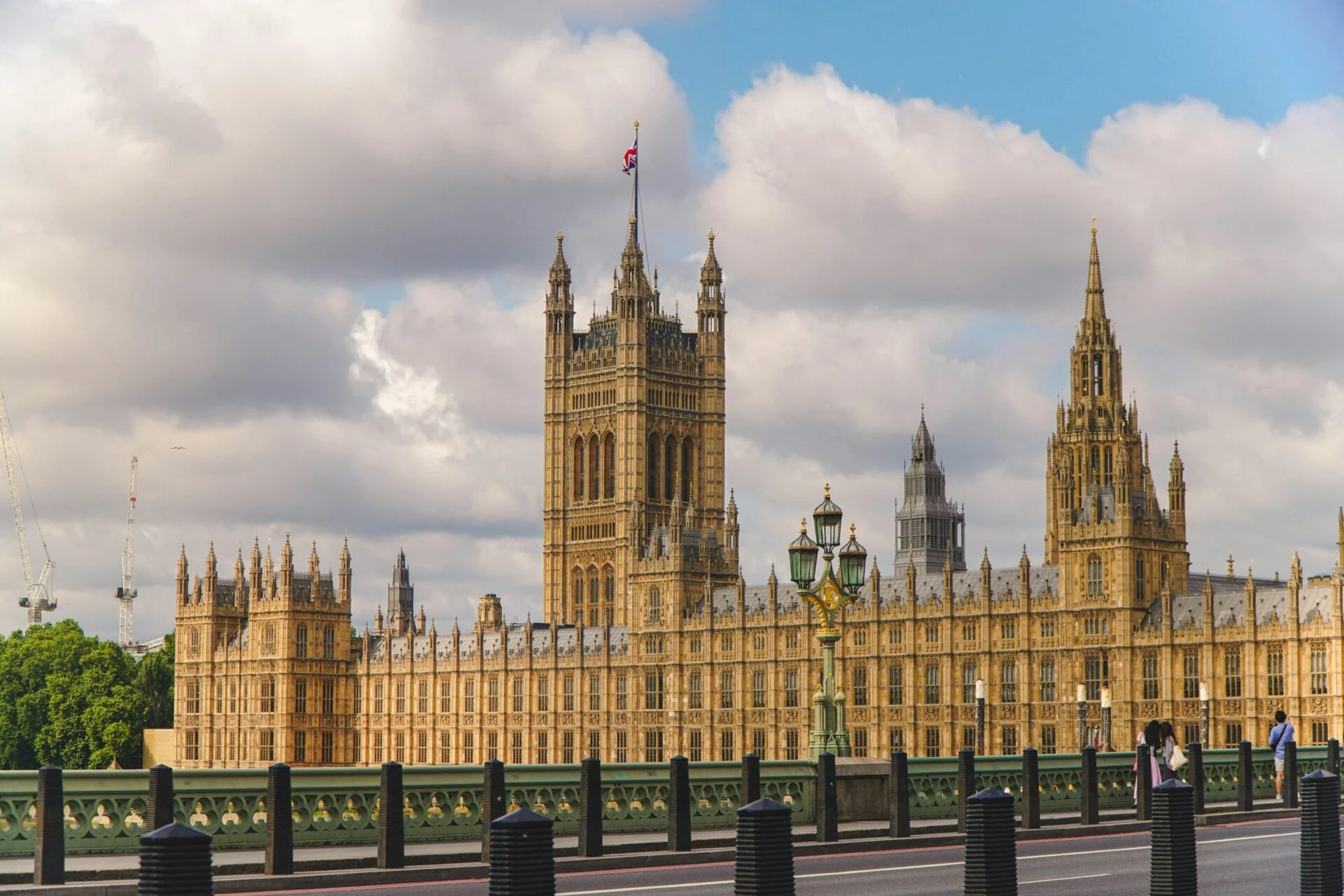
A cross-party committee in the House of Lords is pushing for a significant ban on gambling advertising throughout the UK, believing that reducing advertising reach is crucial in addressing gambling-related harm. Released on September 17, the House of Lords Liaison Committee's latest report reviews its original 2020 inquiry into the social and economic impacts of gambling, particularly focusing on advertising and sponsorship.
The committee highlighted that the existing evidence supports taking "meaningful steps" against the gambling sector, recommending a comprehensive advertising ban to minimize exposure, especially for children and vulnerable groups, and to combat problem gambling.
The report identifies gambling-related harm as a major public health issue, referencing the Gambling Commission’s Gambling Survey for Great Britain (GSGB), which indicates that between one and 1.5 million adults in the UK have scores on the Problem Gambling Severity Index (PGSI) that suggest they are experiencing problem gambling.
The PGSI categorizes scores as follows: a score of 0 or between 1 and 3 is considered low-risk, 3 to 7 indicates moderate risk, and 8 or higher signifies problem gambling. However, the GSGB and its methodology have faced criticism from some industry commentators who challenge its findings.
The committee pointed to the Gambling Act of 2005 as a pivotal moment that allowed licensed operators extensive advertising freedoms across media. Before this change, advertising for gambling products was mostly restricted to bingo, football pools, and the National Lottery. Since then, the annual expenditure on advertising by licensed operators has surged, with estimates now ranging between £1 billion and £2 billion.
Strong links have now been established between gambling advertising and increased betting participation, along with the associated harms. Committee Chair Lord Ponsonby of Shulbrede remarked that since 2020, the rise in online marketing tactics has significantly altered the landscape, warranting a reassessment of gambling advertising policies that had remained largely unaddressed.
The committee advocates for gambling advertising regulation under a public health framework. It criticized the current mixed system of self-regulation, which includes the Advertising Standards Authority (ASA) and co-regulation for broadcasts, arguing that this approach is insufficient. Instead, they propose that advertising regulation be governed under the Gambling Commission's authority, which would allow for enhanced enforcement capabilities.
Currently, the ASA oversees gambling advertisements under the CAP 16.1 code. Recently, Midnite was instructed to remove a TikTok ad featuring a young-looking character due to ASA rulings.
The report also draws attention to specific marketing methods that raise concern. Direct marketing tactics, such as emails and texts, were highlighted, with evidence indicating that limiting such outreach leads to reduced betting and fewer immediate harms. Dr. Philip Newall from the University of Bristol noted an Australian study confirming that participants opted out of direct marketing experienced lower gambling expenditures.
The committee suggests prohibiting direct marketing from operators and affiliates, except for essential account communications. They also recommend banning promotional offerings like free bets and sign-up bonuses, which could exacerbate gambling activities.
Content marketing and influencer promotions were identified as needing stricter regulations, with the committee urging that they be treated as advertising, advocating for prioritizing their prohibition if a complete ban is not immediately attainable.
Sponsorship agreements with sports teams were also criticized; the committee pointed out that voluntary measures have failed to significantly reduce the gambling industry's visibility. Dr. Matt Gaskell MBE noted that despite efforts, overall exposure during live sports broadcasts has not been meaningfully reduced.
While the Premier League has banned front-of-shirt gambling sponsorships from the current season, branding remains on training kits and stadium advertisements. The committee's previous recommendations included banning gambling ads on team shirts and stadium displays, albeit on-course advertising for horse and greyhound racing was excluded.
The report dismissed claims that restricting advertising would push consumers toward unlicensed gambling sites, citing weak evidence of significant migrations to illegal operators following such restrictions. It referenced interviews with operators across European jurisdictions indicating minimal shifts in consumer behavior due to advertising constraints.
This latest report coincides with the UK government's 2023 white paper on gambling reform, which introduced a statutory levy aimed at funding research and treatment for gambling-related issues. Concerns about inadequate protections for children and young people from gambling marketing have been echoed in parliamentary debates. The Department for Digital, Culture, Media and Sport has appointed a research fellow to investigate innovations in online gambling advertising. However, the Lords committee cautions that this research should not impede the implementation of necessary policy reforms.

