
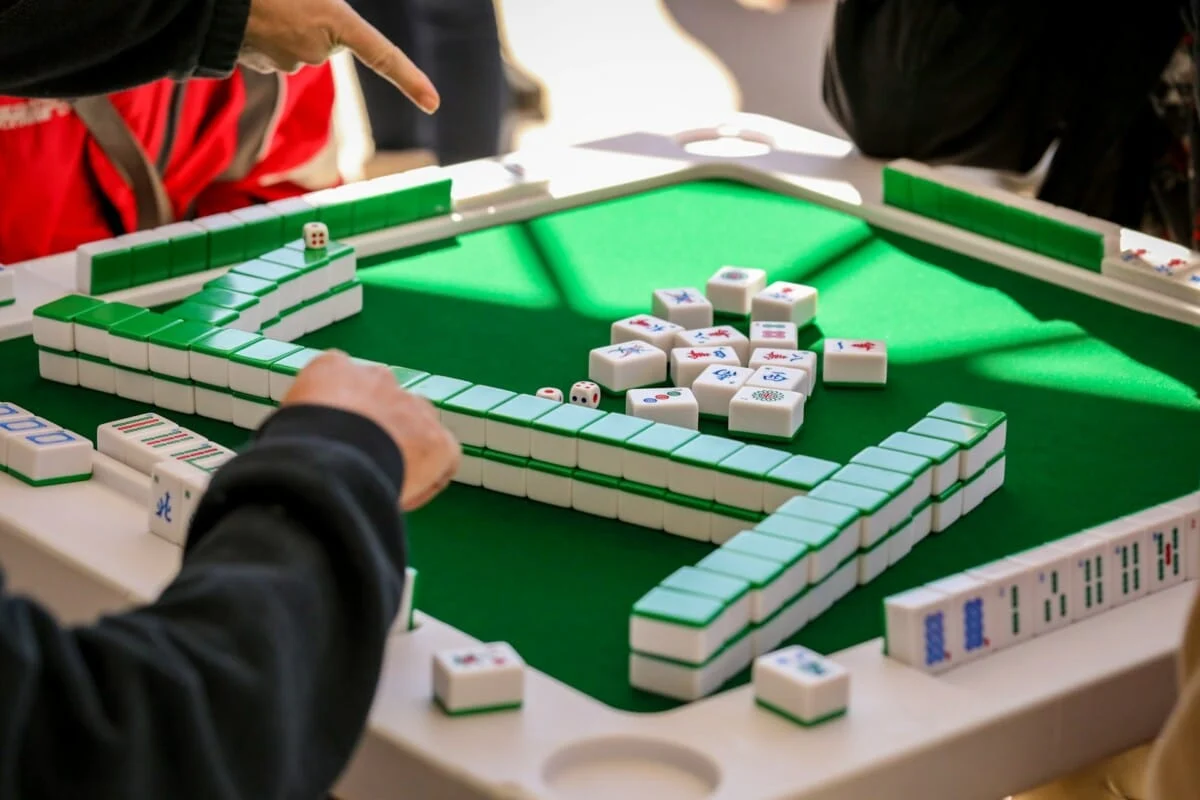
Chinese authorities have reported a significant increase in illegal gambling linked to a fast-paced variation of mahjong known as zhuanzhuan mahjong. In Ningbo, located in Zhejiang Province, police conducted operations on 16 suspected gambling dens and subsequently arrested a total of 204 individuals identified as gamblers, along with 21 individuals believed to be the organizers of these operations. This development was shared by local media outlet Ningbo News Network.
According to a spokesperson for the Yinzhou District Public Security Bureau, deceptive practices have emerged as some gambling operators have begun marketing themselves as 'card game clubs' or 'social entertainment providers.' The spokesperson remarked, “They are using highly deceptive methods.” This crackdown follows a warning from a Chinese court regarding the increasing prevalence of Go clubs that permit betting in exchange for entry fees or commission payments to club owners.
Gambling in all forms is banned in China, except for state-run lotteries which are designated as fundraising initiatives. Officials from Yinzhou District estimate that these gambling operators accrued profits of 1.12 million yuan, equivalent to approximately $165,000.
Authorities noted that the gambling operators advised players to engage with smaller initial bets, progressively raising the stakes to nearly $100 per game. The raids involved around 200 law enforcement personnel.
Many of the suspected operations were disguised as casual mahjong gaming establishments where customers could enjoy teas and refreshments while engaging in the game. However, it was revealed that players were encouraged to play the gambling-centric zhuanzhuan mahjong.
Zhuanzhuan mahjong, a game that originated in Hunan Province over 1,000 kilometers from Ningbo, uses 108 suit tiles instead of the traditional set of 136-144 tiles, enabling swift gameplay.
In these gambling dens, participants typically placed bets between 60 to 600 yuan, or about $9-$90, per hand, with winners taking the pot after paying a commission to the operator.
Authorities first took notice of zhuanzhuan mahjong gambling rings in 2010 during a raid in Shimen County, Hunan, where they discovered that the owner had earned approximately 100,000 yuan, or nearly $15,000. The popularity of zhuanzhuan mahjong has since expanded, prompting the identification of numerous betting rings across Hunan and beyond.
Recently, in February, Hunan police arrested 16 individuals found playing this high-speed variant, with game stakes reaching 500 yuan, or about $74, in a shop located in a vegetable market in Zhangjiajie. The shop owner was reportedly taking a 200 yuan cut per hand from game tables.
Judicial actions against the organizers have been stringent, with courts often handing down prison sentences ranging from one to four years for gambling den operators. Moreover, past court rulings have resulted in the government reclaiming thousands of US dollars in gambling profits.

