
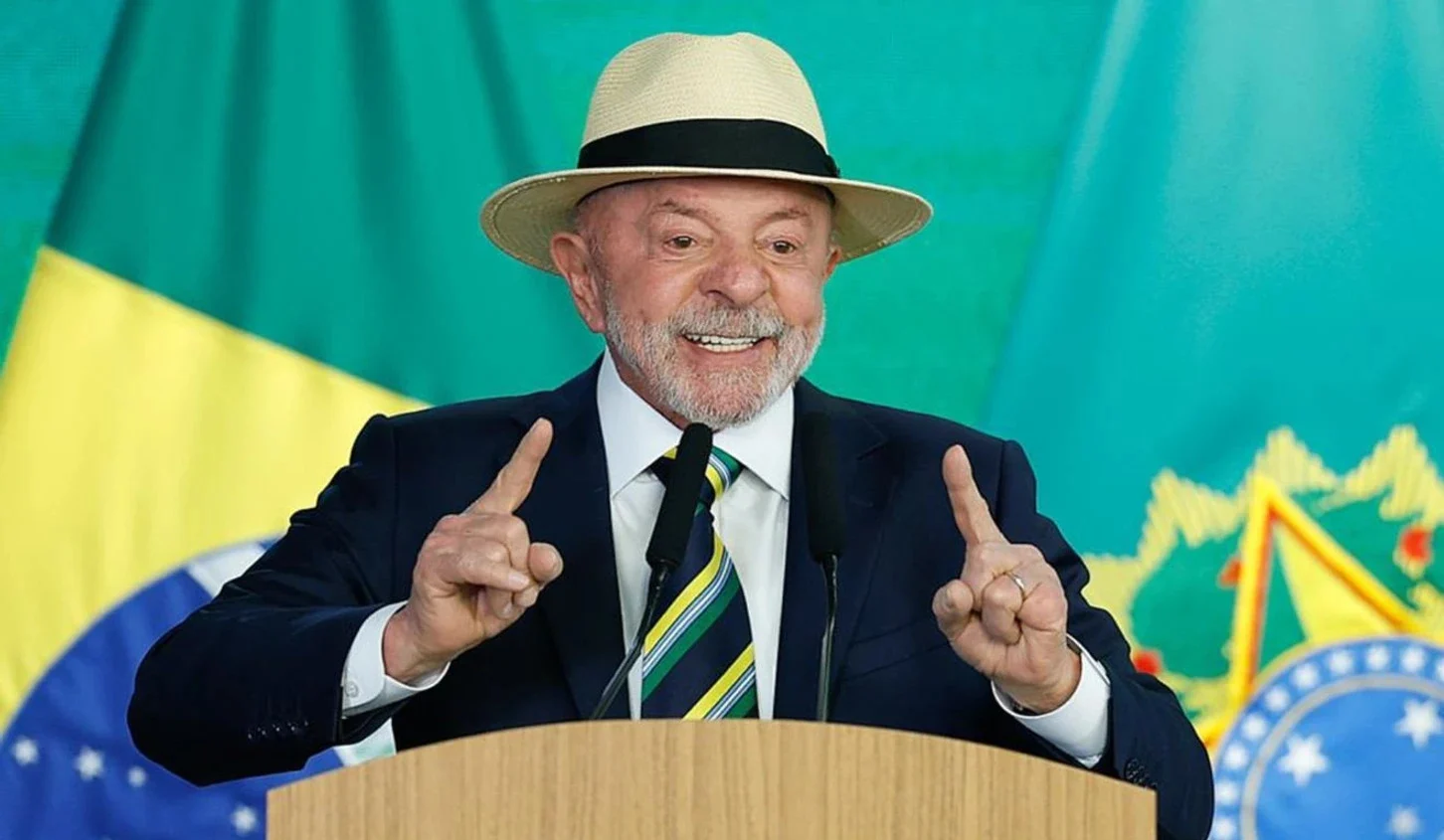
Brazilian President Luiz Inácio Lula da Silva is poised to send a provisional measure to Congress this week aimed at tightening betting regulations in the country. According to sources, the government is contemplating a broadening of restrictions on betting advertising and contemplating an outright ban on online casino games, keeping only sports betting available.
This move to implement a provisional measure will allow the restrictions to take effect immediately, just weeks before the upcoming elections, signaling that the gambling sector is being utilized at least partly for electoral gain to bolster Lula's bid for re-election.
Drafting responsibilities for the provisional measure seem to lie with the Civil House, with some speculating that this initiative is politically motivated, reflecting Lula’s attempt to respond to rising criticisms against the gambling industry.
The Brazilian betting sector has recently come under increased scrutiny, with reports suggesting that families are succumbing to financial difficulties due to gambling.
Political factions surrounding this issue are divided. Rather than advancing these changes through a full legislative bill, which could delay their immediate effect, the president has opted for this more direct route. The Ministry of Finance, which oversees sports betting and online gaming regulations, is pushing back against more severe measures, recognizing the sector's significance to the economy. Finance Minister Dario Durigan faces challenges in persuading Lula of the need for balanced regulation that supports public finance, given Lula’s expressed desire to end betting in Brazil altogether.
Lula’s stance aligns with that of other candidates, as studies from the Workers' Party (PT) indicate that approximately three out of four Brazilians oppose betting establishments, providing a political rationale for the president's critical position.
While the president has not emphasized it, the tax revenues generated from betting have been notable. In 2025, Brazil garnered nearly BRL10 billion ($1.97 billion) from the licensed sector. In just the first half of this year, BRL8.7 billion from betting has already contributed to public finances. The Federal Revenue Service expects the sector to reach BRL16 billion in revenues by 2026.
In addition to revenues, there are significant legal and economic concerns. Companies in this sector have collectively paid over BRL2.5 billion for licenses since regulation began. The abrupt cessation of these activities would likely lead to legal battles to recover those amounts and seek compensation for investments. Furthermore, betting revenues are crucial to the Annual Budget Law and the Budget Guidelines Law, which set federal spending priorities.
The gambling industry remains apprehensive, not only because of the potential for severe regulation but also due to the government's previous failures to effectively tackle the illegal betting market, which still comprises nearly 50% of the sector.

