
The Australian government recently introduced new amendments to its gambling reform bill, coinciding with a critical Senate inquiry report released on the legislation.
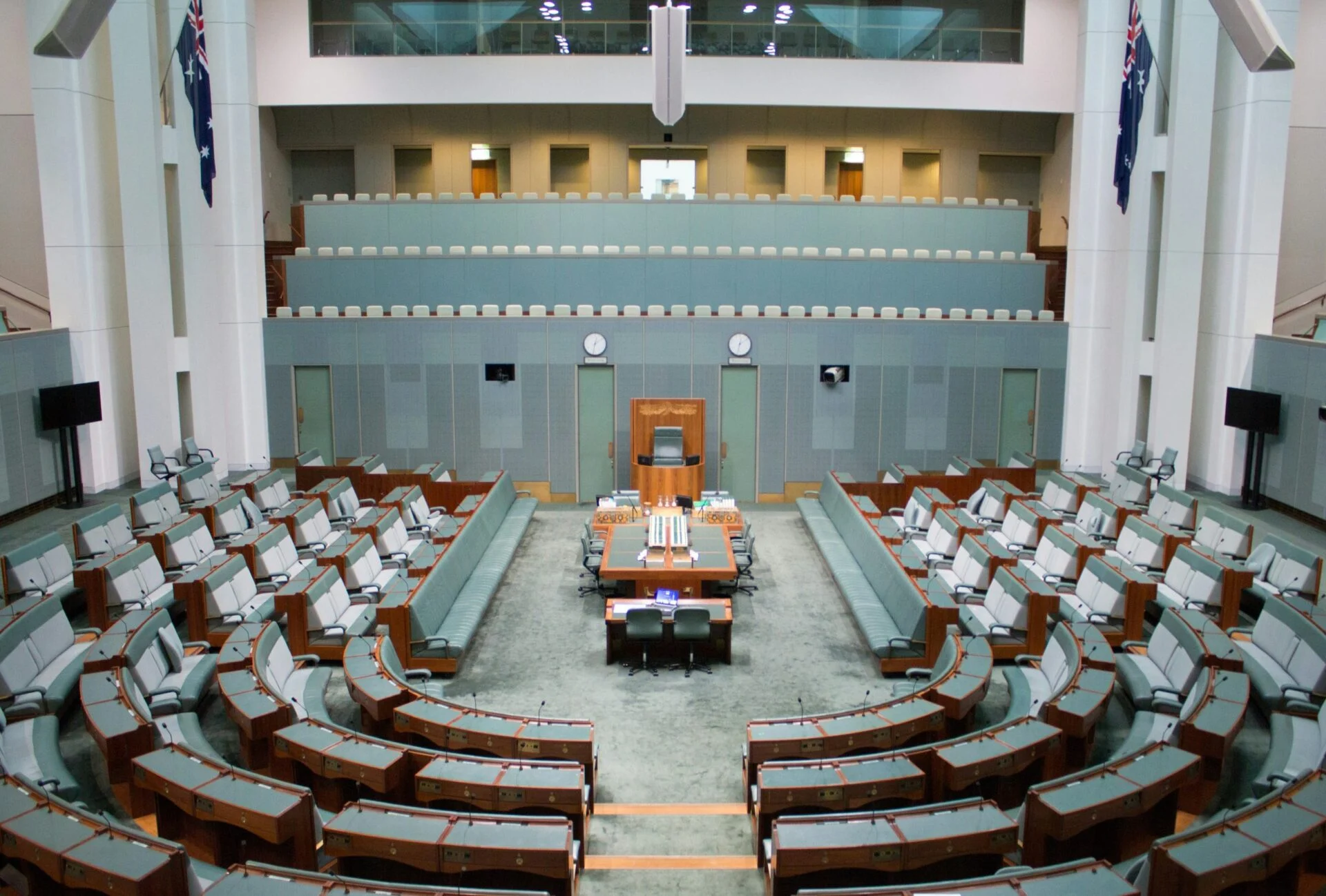
In Parliament on Monday, Communications Minister Anika Wells announced the proposed legislation that would create a national register permitting individuals to opt out of receiving gambling promotions. These amendments to the Interactive Gambling Bill aim to provide a mechanism for Australians to avoid gambling advertising across different platforms.
This initiative is part of an agreement with the opposition Coalition and seeks to curtail the reach of gambling marketing, particularly among minors and young adults.
A notable aspect of these reforms involves digital gambling platforms, which will now be subject to a “triple lock” system prior to displaying advertisements. Users will be required to have a logged-in profile, complete age verification, and access to an opt-out option for gambling ads.
Streaming services like 9Now and 7plus will face the same advertising restrictions as free-to-air television.
However, the Senate inquiry expressed concerns that these measures might not be sufficient. The inquiry received 97 submissions, including testimonies from public health experts, survivors of gambling-related harm, representatives from the broadcasting and wagering industries, regulators, and state officials.
Experts highlighted that the opt-out mechanism is generally ineffective, noting that behavioral studies suggest low rates of changing default settings. This creates risks for vulnerable groups such as minors and individuals in recovery from gambling addiction.
Additionally, the reforms include a ban on endorsements from celebrities, athletes, and social media influencers promoting gambling to mitigate targeted advertising tactics.
The Australian Communications and Media Authority (ACMA) will be empowered to compel online service providers to incorporate opt-out and similar features, and penalties will be enacted for non-compliance within a 30-day period.
Further restrictions include extending the pre-match blackout of wagering advertisements during live sports events from five minutes to 15 minutes. The daily prohibition on wagering advertisements will now begin at 5:00 a.m., instead of 6:00 a.m., resulting in a 15.5-hour restriction until 8:30 p.m. Despite these changes, the Senate report pointed out that many children continue to watch sports past 8:30 p.m. and will still be exposed to gambling ads.
Wagering providers are also prohibited from paying commissions, bonuses, or other performance-linked payments to employees, agents, or third parties related to customer acquisition or retention. This change follows evidence revealed during the Senate inquiry that bookmakers’ inducements often target high rollers.
Former rugby league player Luke Bateman recounted experiences where betting companies further encourage high spending through risky behaviors: “Before getting there, your VIP manager would go: ‘Hey, mate, what drugs do you want? Do you want a couple of bags for this weekend? We’ll organise that for you. We’ll have that ready for you when you get here.’”
Breaches of these guidelines could result in civil penalties of up to 1,000 penalty units, with an anti-avoidance clause imposing fines of up to 7,500 penalty units for attempts to evade these regulations. Notably, this clause has extraterritorial implications, targeting offshore operations.
Despite these measures, the legislation does not impose a total ban on gambling advertising, as recommended in the 2023 parliamentary report You Win Some, You Lose More. Some Senate members have asserted that only a complete ban would effectively reduce demand.
In October 2024, the Green Party introduced a blanket ban on gambling advertisements in the Senate, arguing that numerous expert recommendations and public support underscore community expectations for such legislation.
The bill faces opposition from groups such as Responsible Wagering Australia (RWA), which voiced concerns that the new reforms may push players towards illegal offshore gambling operations. RWA CEO Kai Cantwell stated that the opt-out advertising register undermines measures like BetStop, emphasizing that the proposed opt-out system parallels BetStop’s design yet is set to be developed and implemented in less than four months, whereas BetStop itself took over four years.
The Senate committee has recommended the approval of two key bills but urged enhancements to strengthen provisions aimed at mitigating gambling-related harm. Prime Minister Anthony Albanese confirmed that the bill is set to proceed to a third reading after it received agreement from both the government and Coalition.
Albanese characterized the legislation as “the most significant gambling advertising reform by any Australian government ever,” asserting that it would enhance protections for at-risk populations while allowing responsible betting for those who enjoy it. The bill is expected to come into effect on January 1, 2027.

