
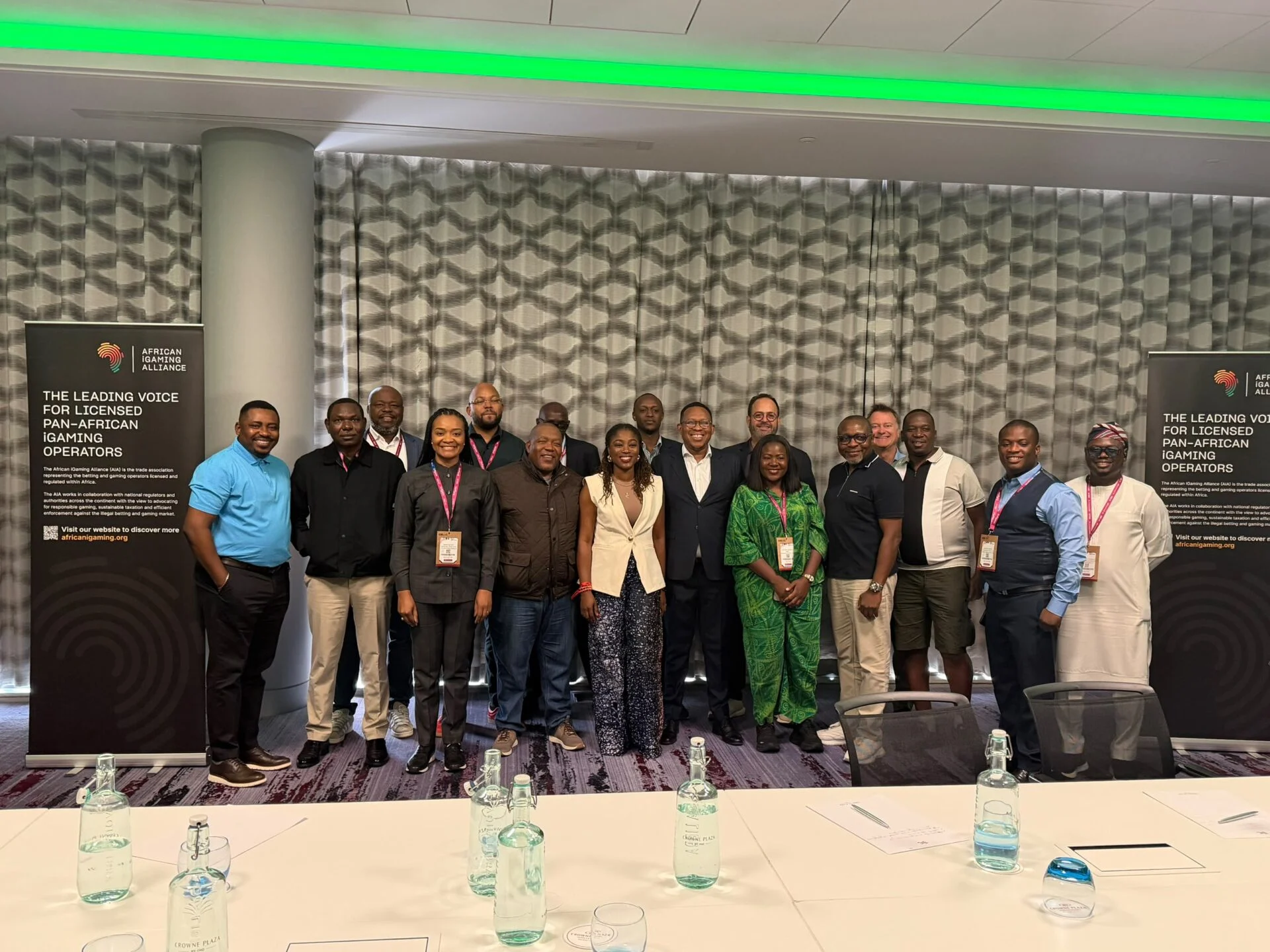
This week in London, regulators from various African nations gathered to strengthen cooperative efforts on licensing, taxation, and player protection within the rapidly growing gambling industry. The African iGaming Alliance (AiA) hosted the meeting as part of a high-level session during the iGB L!VE 2026 conference on July 2.
The gathering featured chief executives and senior officials from at least eight African jurisdictions, including Nigeria, South Africa, Uganda, Malawi, Rwanda, Ghana, Tanzania, and Angola. Together, they exchanged insights and policy experiences regarding critical regulatory challenges.
Amidst Africa's booming digital betting sector, discussions centered on key issues like sustainable taxation models that promote government revenue while maintaining market competitiveness. The regulators also explored strategies to guide players towards licensed operators and improve player protection mechanisms.
A significant presentation by H2 Gambling Capital provided valuable insights regarding global taxation frameworks and the relationship between tax policies, player protection, and sustainable revenue generation. Participants underscored the necessity of balanced tax regimes that promote compliance, protect consumers, and encourage long-term industry growth.
An important outcome of the meeting was the advancement of a continent-wide initiative called Africa Safer Gambling Week, as proposed by the AiA. This initiative aims to deliver consistent messaging and coordinate education efforts involving regulators, operators, and additional stakeholders to encourage responsible gambling practices.
Organisers also highlighted several key agreements made during the meeting, including a reinforced commitment to regulatory collaboration across borders and an emphasis on evidence-based policymaking supported by accurate and timely market data. Ongoing discussions regarding taxation strategies that align government revenue goals with competitive market dynamics and player safety were also part of the dialogue. Furthermore, enhanced cross-border initiatives to identify and combat unlicensed and illegal gambling operations were agreed upon.
Peter Emolemo Kesitilwe, the CEO of the African iGaming Alliance, remarked, “Africa’s gaming industry continues to grow rapidly, making regulatory collaboration more important than ever.” He added, “Today’s discussions demonstrated the commitment of African regulators to work together in addressing common challenges, sharing best practices, and building regulatory frameworks that promote responsible gambling, consumer protection, and sustainable market development. AiA remains committed to providing a platform that supports this collaboration for the benefit of the continent.”
The push for regulatory coordination coincides with the expansion of Africa’s betting market spurred by liberalization and increasing access to internet and mobile technology. In this context, Bola Group recently introduced a betting platform via WhatsApp in anticipation of the World Cup. Chatbet allows players to receive odds and place bets through text or voice messages on WhatsApp, utilizing technology from ChatLayer Media Technologies.
Several jurisdictions have recently revised licensing frameworks or adjusted taxation systems to better capture online revenue. Despite these advancements, regulators are contending with ongoing competition from offshore platforms and informal operators, which pose challenges to regulatory compliance and tax collection.
The London session provided an opportunity for regulators to share recent approaches. For example, Nigeria’s Lagos State Lotteries and Gaming Authority, South Africa’s National Gambling Board, and Ghana’s Gaming Commission have intensified their oversight and are testing data-driven compliance technologies.
Ahead of the World Cup, the National Gambling Board issued a warning about a rise in illegal online gambling platforms, noting that these fraudulent schemes often imitate legitimate bookmakers by misappropriating names, logos, and branding associated with reputable operators. Additionally, smaller markets like Rwanda and Malawi emphasized the importance of capacity building and improved intelligence sharing to better identify illegal operators.

