
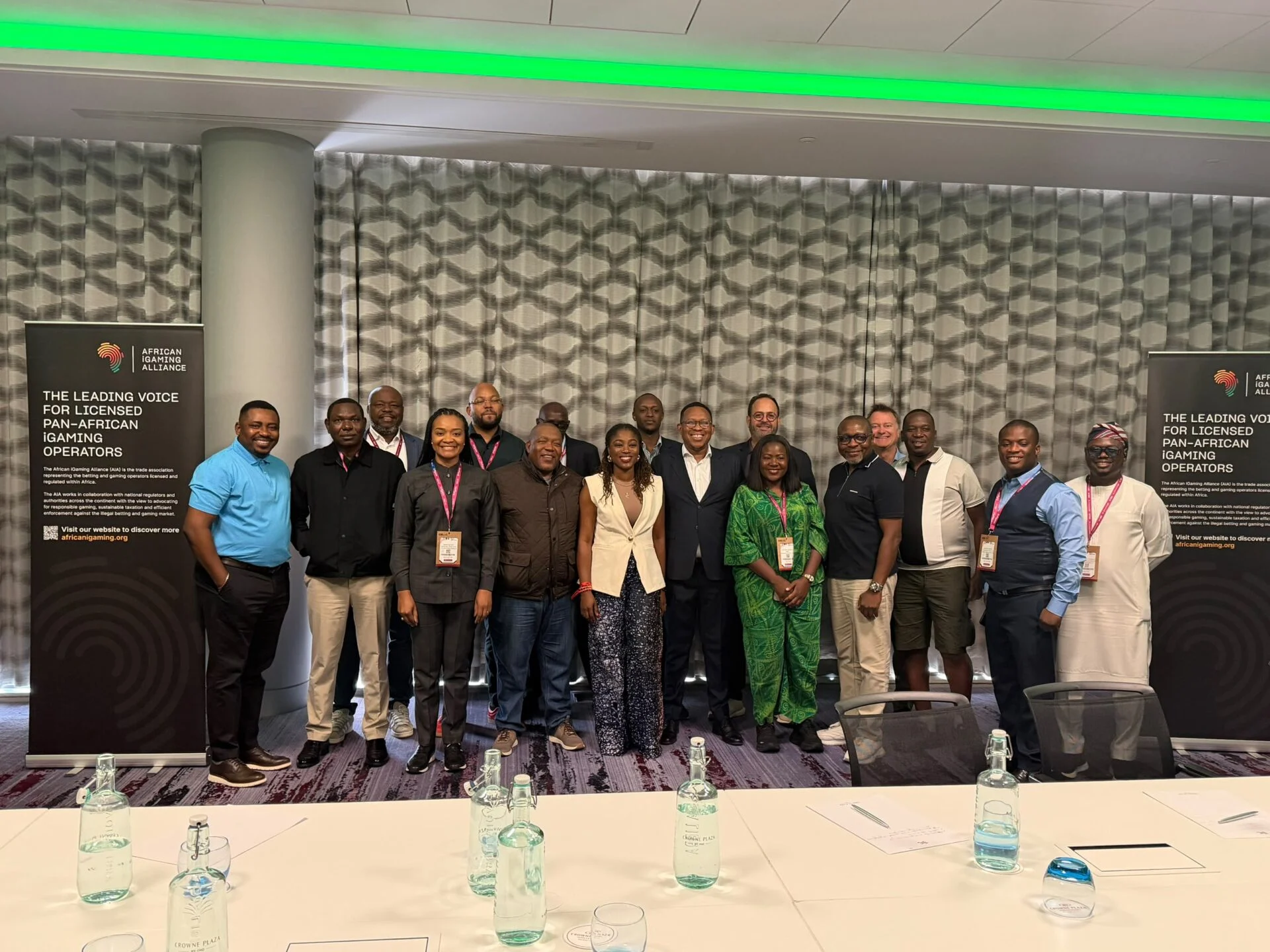
This week, regulators from various African nations convened in London to strengthen collaborative efforts on licensing, taxation, and player protection in the continent's rapidly growing gambling sector. The gathering took place during the iGB L!VE 2026 conference on July 2, hosted by the African iGaming Alliance (AiA).
Chief executives and senior officials from at least eight jurisdictions—Nigeria, South Africa, Uganda, Malawi, Rwanda, Ghana, Tanzania, and Angola—discussed regulatory challenges and shared policy experiences. As Africa's digital betting market expands, the discussions tackled pressing issues such as sustainable taxation models that are competitive yet ensure government revenues. Additionally, the focus was on strategies to direct players towards licensed operators and mechanisms for better player protection.
A key technical presentation by data specialists H2 Gambling Capital shed light on global taxation frameworks and highlighted the relationship between tax policy, player protection, and sustainability in revenue generation. Participants underscored the necessity for balanced tax regimes that would encourage compliance while protecting consumers and promoting long-term industry growth.
One significant outcome of the meeting was the proposal for Africa Safer Gambling Week, an initiative by the AiA aimed at delivering consistent messaging and coordinated education efforts among regulators, operators, and other stakeholders to encourage responsible gambling practices.
Organizers also noted several key agreements that emerged from the discussions. These included a strengthened commitment to cross-border regulatory collaboration and a focus on evidence-based policymaking supported by reliable, up-to-date data from the market. Continued discussions on taxation strategies aligning government revenue needs with competitive market dynamics and player safety were also a priority. Moreover, there was a consensus on enhancing collaborative efforts to identify and address unlicensed and illegal gambling operations.
Peter Emolemo Kesitilwe, CEO of the AiA, emphasized the growing significance of regulatory collaboration in the face of the industry’s rapid expansion, stating, 'Today’s discussions demonstrated the commitment of African regulators to work together in addressing common challenges, sharing best practices and building regulatory frameworks that promote responsible gambling, consumer protection, and sustainable market development. AiA remains committed to providing a platform that supports this collaboration for the benefit of the continent.'
As Africa’s betting market liberalizes and sees increased internet and mobile access, regulatory coordination becomes critical. For example, Bola Group recently launched a betting platform on WhatsApp just in time for the World Cup. This platform, powered by ChatLayer Media Technologies, allows players to receive odds and place bets through messages or voice notes.
In response to evolving market conditions, various jurisdictions have updated their licensing frameworks and adjusted taxation systems to capture online revenues more effectively. However, regulators still grapple with competition from offshore platforms and informal operators that challenge regulatory compliance and hinder tax collection.
The London session offered a venue for regulators to share their latest strategies. For instance, the Lagos State Lotteries and Gaming Authority from Nigeria, South Africa’s National Gambling Board, and Ghana’s Gaming Commission have all increased oversight and are using data-driven compliance technologies. The National Gambling Board has been vigilant about a rise in illegal online gambling platforms ahead of the World Cup, cautioning that these fraudulent entities often imitate legitimate bookmakers by misusing their names, logos, and branding. Smaller markets like Rwanda and Malawi have concentrated on building capacity and enhancing intelligence sharing to tackle illegal operators effectively.

