
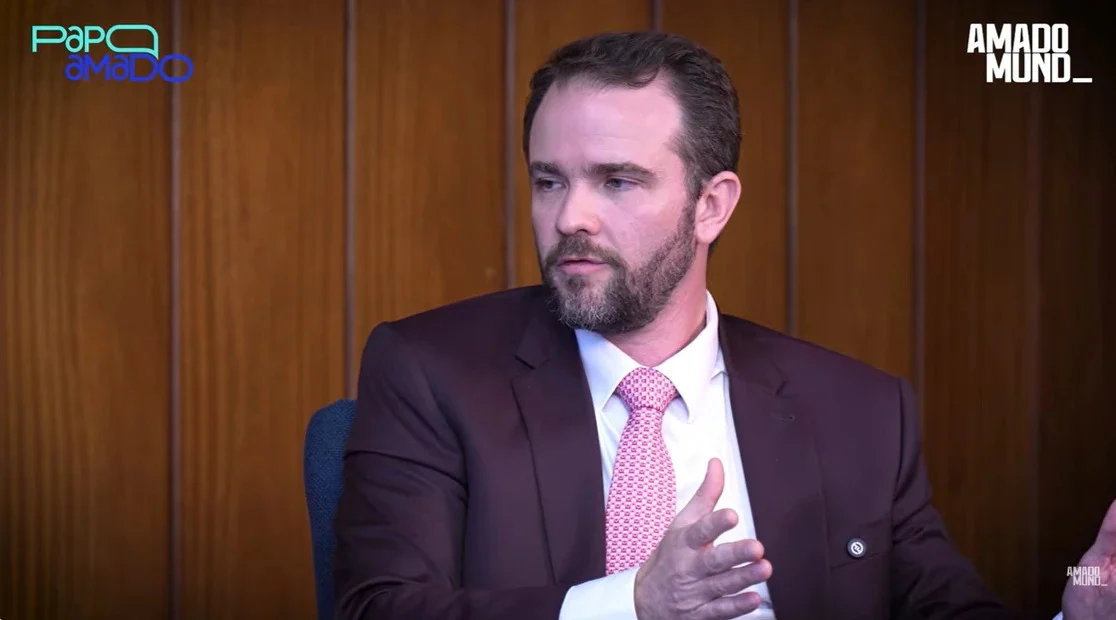
Brazil's Finance Minister Dario Durigan emphasized that the nation does not rely on gambling taxes for public finances. He clarified that the regulation of the gambling sector is not primarily aimed at boosting revenue. "Tax collection is part of the economic game and all sectors contribute," Durigan remarked, suggesting that the betting industry should be held to the same standards as sectors like tobacco.
In a discussion with Guilherme Amado in Amado Mundo, Durigan noted that the current government, under President Luiz Inácio Lula da Silva, has adhered to the legal requirements set forth for regulating sports betting. He pointed out that previous administrations had not acted on this. "When we took office, the sector had been operating for nearly five years without regulation," he explained. Durigan recognized that betting had gained significant presence in football and advertising, reflecting its political and economic influence. Given Congress's reluctance to ban gambling, the government opted to establish regulations instead.
"I don’t want to collect taxes out of necessity. I seek to ensure fairness: companies selling cars and beverages pay taxes, and those authorized to operate in betting should too," he stated.
During the interview, the minister discussed tax reforms proposed by the Ministry of Finance and highlighted a recent decision to prevent beneficiaries of social welfare programs from participating in gambling activities.
Durigan acknowledged that President Lula has expressed concerns regarding the potential negative effects of gambling on people's lifestyles. "This has prompted ongoing discussions," he noted. He shared that he has engaged with Congress, the Supreme Federal Court, and the Attorney General’s office to assess the impact of betting on Brazilian citizens' lives.
Significant steps have been taken, such as raising the direct tax rate to 15% and incorporating gambling into the Selective Tax system. Furthermore, individuals benefiting from social programs and those enrolled in the Desenrola initiative are barred from wagering.
The government has also implemented a self-exclusion mechanism for gamblers. Durigan remarked, "The debate over prohibition will continue in Brazil for the next few years. It will remain an institutional dialogue among the Supreme Court, Congress, and the executive."
He did not suggest that banishing gambling was on the agenda for the government.

