
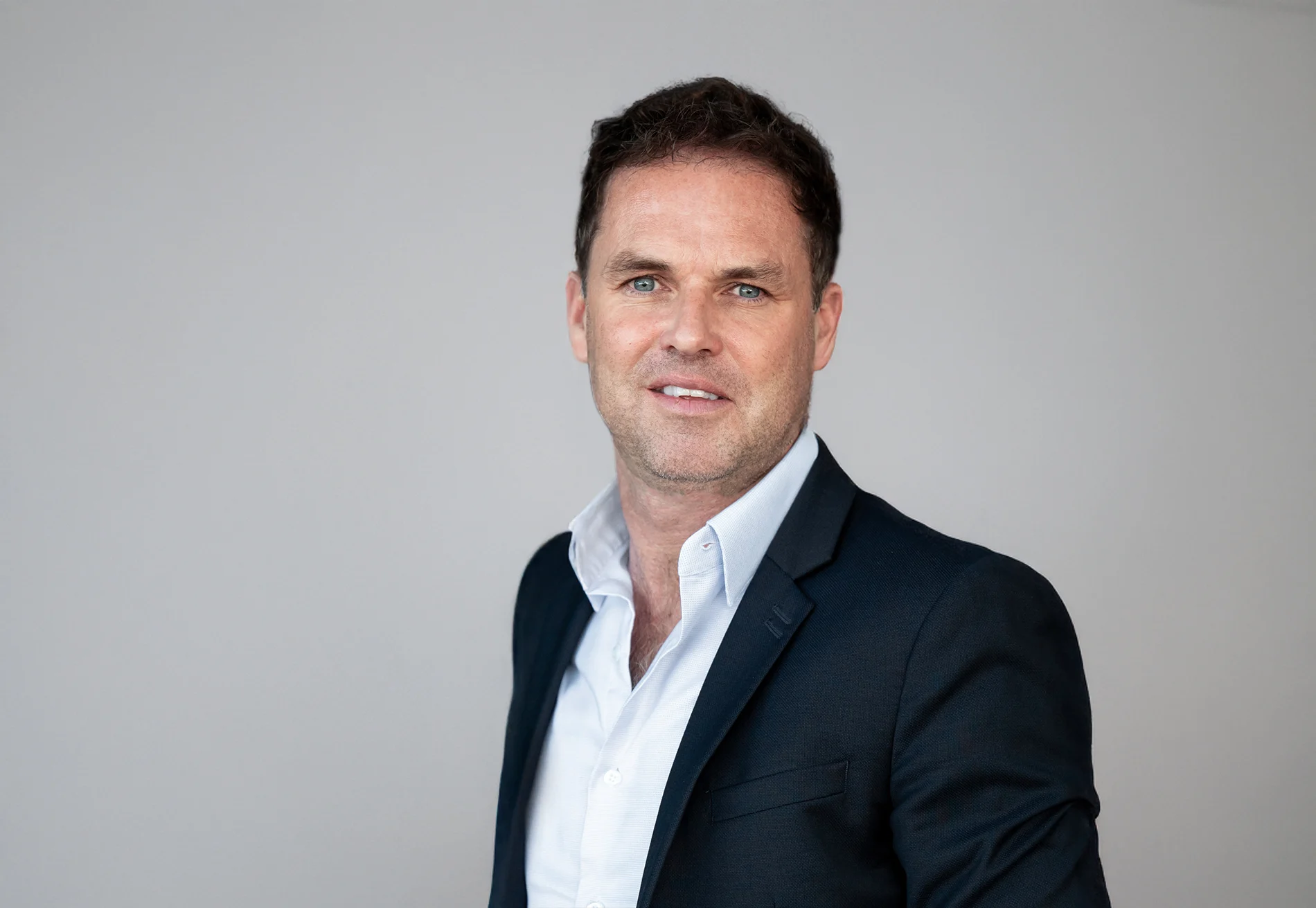
Gambling operators face a significant decision when weighing the options of building their own casino platform versus purchasing one from a third-party vendor, and this perspective can evolve throughout the lifecycle of a business. Start-ups typically rely on external vendors to establish a market presence, while more established operators might consider developing their own platform if they have the financial resources to do so. However, this decision can be influenced by changing business needs and staff turnover.
Steven Valentine, chief commercial officer at Comtrade Gaming, describes this process as cyclical. "Operators often start working with a third-party vendor, but eventually, they may feel constricted by that provider or dissatisfied with their offerings. This leads them to consider bringing technology in-house."
As expertise leaves the organization and technology becomes outdated, operators might transition back to third-party solutions, suggesting a repetitive cycle that typically spans eight to fifteen years.
Valentine emphasizes that the scale of operations is a critical factor in this decision. Operators generating less than £250m in gross gaming revenue annually are less likely to pursue in-house development. However, as revenues increase, the prospect of developing proprietary technology becomes feasible. "At that scale, it can be beneficial to manage your own technology, assuming there's a long-term commitment to it,” he says.
Operators must evaluate whether their existing technology hinders their strategy or if the issue lies in the choice of vendor. Building a platform represents a substantial financial commitment, yet many operators fail to grasp the full extent of the initial and ongoing costs.
"The budgets and timelines often appear overly optimistic," Valentine notes. "Developing an iGaming platform is vastly more complex than creating simpler software. Launch costs remain consistent each year; there’s no significant ramp-up, followed by a decrease. The team size needed for development and maintenance stays steady, so operators need to be prepared for a shift in mindset to operate effectively as a tech company.
As operators invest in their own platforms, the costs can escalate over time due to increasing complexity and the need for internal knowledge transfer as employees come and go.
Many operators are not fully prepared for the cultural changes that come with significantly emphasizing technology development. "Are you prepared to effectively become a tech company?" Valentine questions.
Focused on immediate needs, operators often neglect to contemplate long-term technological requirements. A few companies successfully navigate this transition, but even the larger operators tend to adopt a hybrid strategy, mixing proprietary platforms with third-party solutions to facilitate entry into new markets.
Utilizing third-party vendors can provide a faster market entry and help adhere to compliance standards by capitalizing on the vendor's local expertise. However, choosing the right partner demands diligent research, as relying on a provider comes with inherent risks. Valentine advises potential clients to conduct thorough due diligence, suggesting that operators speak to current clients of the vendor to gauge satisfaction.
Solid vendor-client relationships are crucial. "There's a genuine cost associated with being unable to execute your strategy because of software vendor constraints," he cautions. While selecting a vendor based largely on cost considerations is tempting, choosing poorly can lead to far greater financial setbacks.
When it comes to migration, vendors generally absorb much of the initial transition costs. Operators commonly find that the upfront fees for onboarding are deceptively low compared to the true expenses incurred by the vendor. In one case cited by Valentine, maintaining a platform investment for a well-known operator averaged roughly £60 million per year, while a revenue-share agreement offered them a significantly reduced cost—likely under 20% of that amount.
Despite this, proprietary technology can yield distinct advantages in certain conditions. Valentine points to bet365 as an exemplar of this model: they began from scratch, developing their own technology and ensuring total control over their trajectory.
He notes, "Innovating concepts gives a competitive edge as you can be first to market. Though competitors will likely replicate these innovations later on, you initially hold the advantage."
The focus within the industry has also shifted in recent years. While many firms once prioritized rapid exit opportunities, operators now must evaluate the balance between control over technology and the sustainability of their estimated costs.
Valentine acknowledges that although operational costs can be mitigated through economies of scale, several companies in the same sector struggle financially. At Comtrade, however, their success can be attributed to a rigorous client selection process that prioritizes partnerships that enhance mutual growth.
“There’s a balance to strike for operators weighing whether to build or buy a casino platform,” Valentine summarizes. The control gained by creating their own platform must be weighed against the potential financial burdens that come with unrealistic expectations and long-term commitments.

