
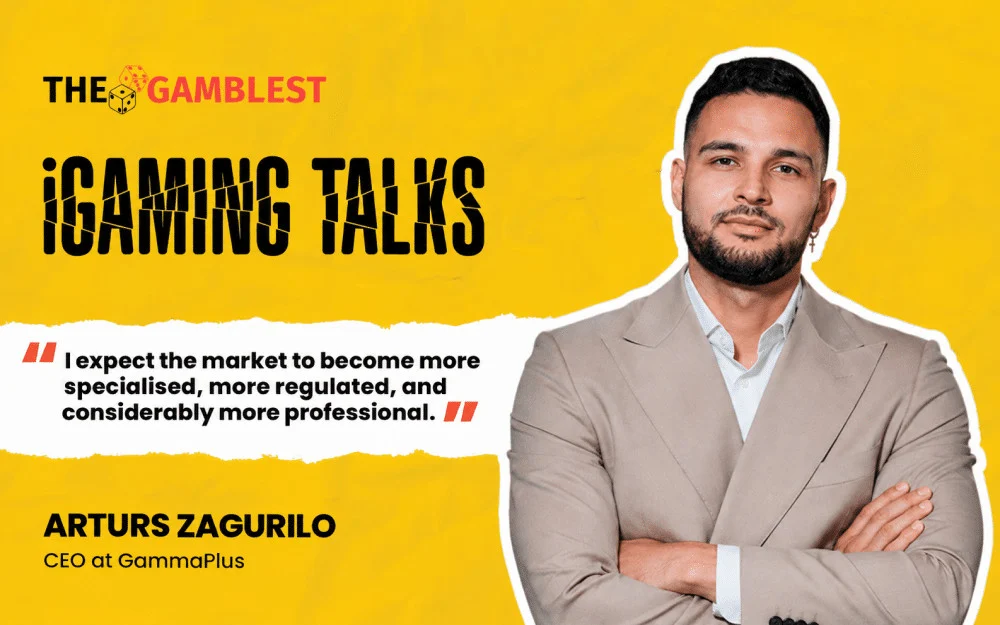
In a recent conversation with Arturs Zagurilo, the CEO of GammaPlus, the topic of prediction markets and their growing importance in the iGaming industry was front and center. Zagurilo shared insights about the current "gold rush" in this sector and offered predictions on its trajectory over the next three years.
Zagurilo has spent a significant part of his career immersed in the iGaming technology landscape, collaborating closely with operators and other businesses to transform innovative ideas into viable products. He emphasized that succeeding in this industry requires not only a great product but a comprehensive grasp of the market, customers, regulations, and the essentials for sustainable operations. At GammaPlus, he aids businesses seeking to enter prediction markets or tap into new verticals by delving beyond software to consider business models, market positioning, product structuring, and long-term operational needs.
He noted that prediction markets merge various domains previously regarded as separate, including iGaming, fintech, cryptocurrency, and data-driven products. Zagurilo's role is to guide businesses in understanding this intersection while distinguishing genuine market excitement from a feasible business strategy.
When asked about the underlying forces driving the surge in interest in prediction markets, he explained that these markets have transitioned from niche discussions to serious commercial opportunities. While the concept of trading on real-world outcomes has long existed, it has recently gained traction among a broader audience eager to engage with events ranging from elections to sports, technology, and more.
Zagurilo pointed to a psychological shift where users no longer just consume information; instead, they wish to participate actively. This involvement enhances their experience, similar to the early days of mobile applications when users began to recognize smartphones as platforms for new behaviors. He cautioned, however, that while the opportunities in prediction markets are abundant, not every new entrant will establish a sustainable business model.
The conversation shifted to the competitive edge prediction markets have over traditional sportsbooks. Zagurilo highlighted that prediction markets cover a richer array of events and offer a different interaction model. Sportsbooks mainly cater to sports events and established betting patterns, whereas prediction markets allow users to stake positions on broader real-world questions. This creates a more engaging user experience as people connect their betting habits to current news.
He clarified that while prediction markets and sportsbooks share some mechanics, they cater to distinct product categories, necessitating different approaches for both regulators and operators. Zagurilo underscored that the distinction should focus on product mechanics rather than marketing terminology. Regulators should evaluate factors such as event types, contract structures, user participation, and outcome resolution when determining if a product fits within existing legal frameworks.
GammaPlus engages a varied array of clients, from established sports betting companies eager to diversify their offerings to fintech startups and entrepreneurs venturing into prediction markets for the first time. Each client group comes with unique knowledge and expectations, requiring tailored support to ensure a successful launch. Regardless of their background, understanding the user base, market opportunities, and distinctive product qualities takes precedence over mere technological capabilities.
As prediction markets continue to take shape, Zagurilo advises clients to refrain from constructing businesses based on unverified regulatory assumptions. Given the fluidity of regulations, he advocates for a flexible architecture that allows adaptability to shifts without necessitating substantial redesigns.
He believes the future will display a blended ecosystem where actors from different domains thrive in their respective niches, with no single winner dominating the prediction market landscape. Established sportsbook operators bring essential operational experience and insights into regulated gaming, while fintech and crypto companies introduce unique skills in market interactions and user behavior. Those companies that can marry these diverse strengths will likely emerge as leaders.
Looking ahead to three years from now, Zagurilo anticipates a more specialized, regulated, and professionalized market landscape. The excitement currently surrounding prediction markets is expected to shift towards a more nuanced inquiry about purpose. He predicts clearer differentiation among platforms, which may focus on financial contracts, gaming products, or other specialized segments.
Additionally, consolidation is likely as not every platform launched will endure. Success will hinge on demonstrating solid liquidity, effective customer engagement, and sustainable economic operations. The gold rush may subside, but the underlying opportunity will persist, with significant businesses emerging from the post-hype phase that prioritizes functionality over mere trendiness.
Ultimately, the path forward will emphasize simplicity in user interaction while maintaining sophisticated underlying systems capable of supporting robust participation.

