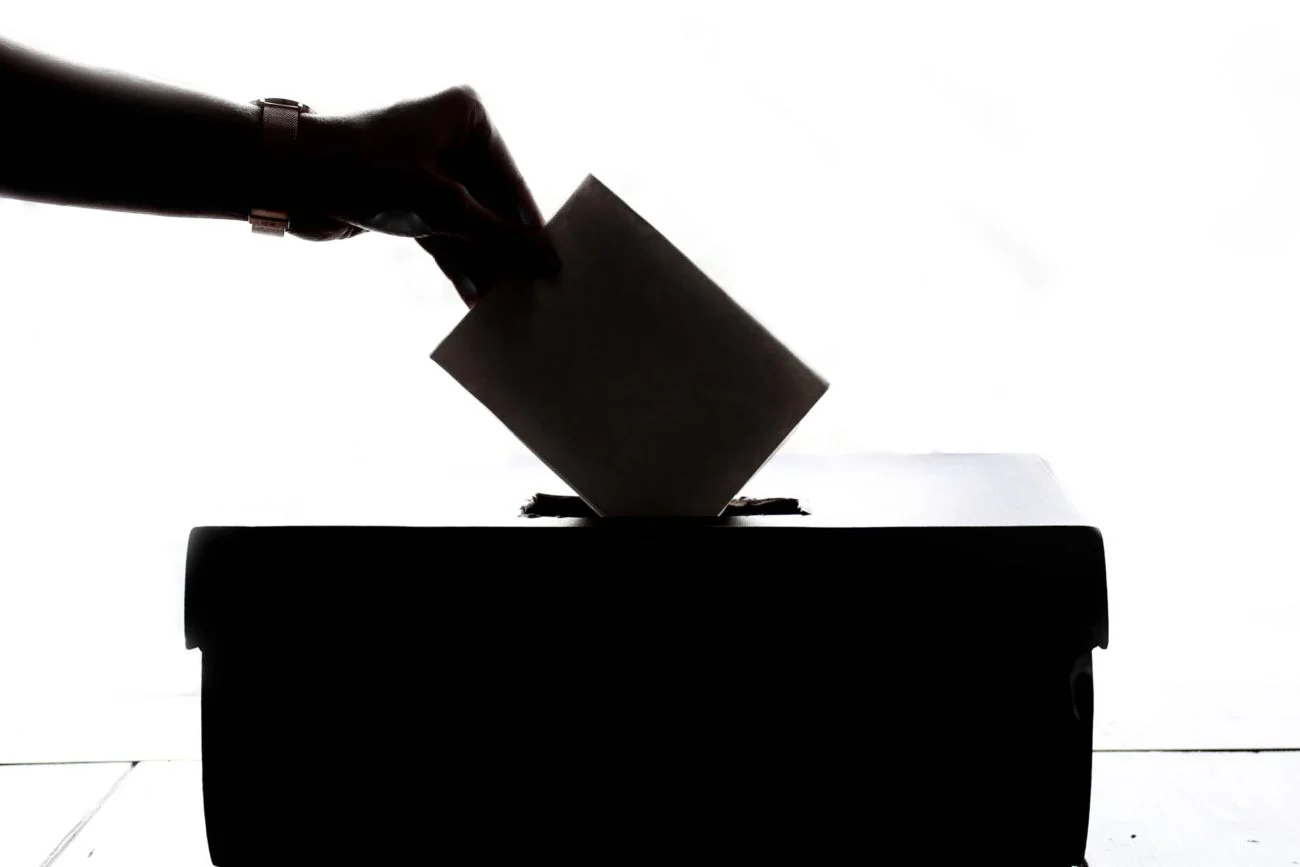
As the U.S. midterm elections approach, the gambling landscape has become a focal point in various ballot measures across multiple states.
In Nebraska, voters will consider Initiatives 440 and 441, aimed at establishing online sports wagering connected to licensed racetracks. Measure 440 proposes a constitutional amendment allowing the legislature to authorize online sports betting, while Measure 441 offers a statutory initiative granting Nebraska's Gaming Commission the authority to regulate this market. For the system to be operational, both measures must gain approval. The framework maintains the state’s existing structure with licensed racetracks partnering with online operators like BetMGM and DraftKings. Importantly, these measures dictate that operators can have a maximum of two skin licenses each, with all servers for the platforms required to be based in Nebraska. The proposals also call for responsible gambling controls and require checks for any outstanding state debts before winnings are distributed. Previous discussions surrounding these measures highlighted significant opposition, particularly focusing on concerns over addiction. Les Bernal from Stop Predatory Gambling labeled legal betting as “an epic policy failure,” emphasizing the increasing addiction rates reported in states where it is legalized. However, advocates for legalization argue it could empower law enforcement to combat the illegal gambling market, even as opponents contend it could lead to a broader increase in gambling activity. Support for Measure 441 has been evident from large sportsbooks including BetMGM, DraftKings, FanDuel, and Fanatics.
In Virginia, two more localized measures will go before voters in Pulaski and Amherst County, addressing whether to permit pari-mutuel wagering at satellite facilities. A “yes” vote would lift local restrictions, but any facility would still be required to obtain a license. Virginia law mandates local voter approval before granting state authorization to these satellite venues. In 2021, Amherst voters rejected a similar proposal with a notable margin of 7,293 to 6,189, following significant local opposition. Pulaski’s referendum aims to give residents a direct decision on the establishment of a satellite facility, permitting the licensing process to move forward but not addressing operational specifics.
Indiana's ballot features a more competitive scenario, where Allen, DeKalb, and Steuben counties will each vote on whether to allow in-land casinos locally. This stemmed from recent legislation that established a framework for a new casino, contingent upon voter approval. Governor Mike Braun signed HB 1038 into law on March 4, creating this new state casino license opportunity. Should voters approve the casino measures, any interested developers will need to apply to the Indiana Gaming Commission, which is tasked with making a decision by April 15, 2027. The successful applicant will face a $150 million license fee alongside a minimum capital investment of $500 million within five years. According to fiscal assessments attached to the legislation, each new casino has the potential to generate between $170 million to $230 million in annual adjusted gross receipts.