
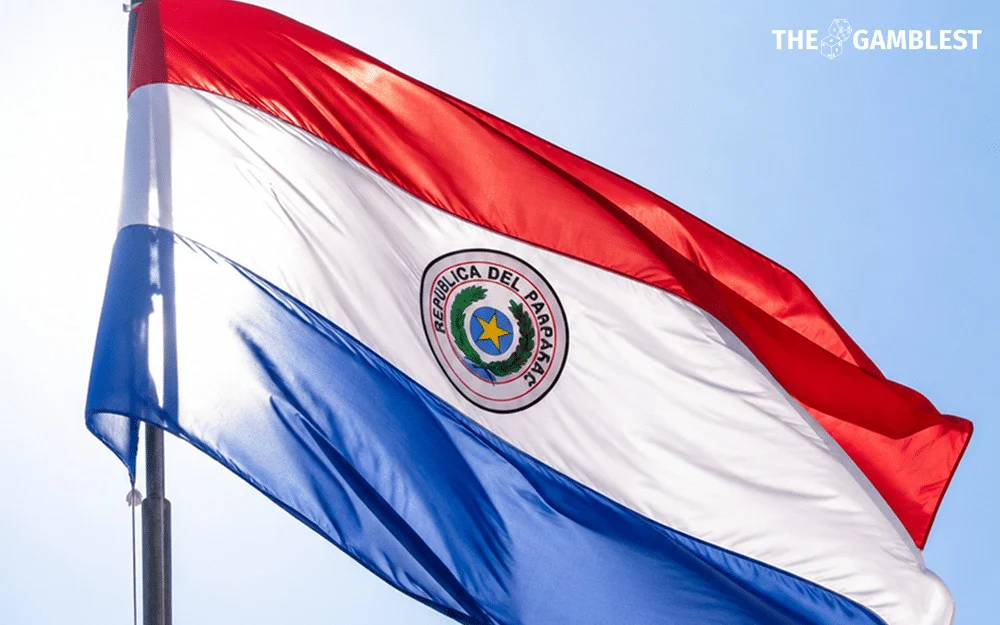
Paraguay is set to overhaul its gambling regulations by establishing a new independent regulatory body. On October 12, the government presented a bill to Congress that seeks to replace the National Gambling Commission (Conajzar) with the National Directorate of Gambling (Dinajzar). This new entity will have its own legal status and independent financial structure. Currently, the bill is under scrutiny by several Senate committees, which convened on October 26 to deliberate on the proposed changes.
Javier Balbuena, a lawyer and former head of Conajzar, highlighted two primary points of contention regarding the legislation: the extension of license terms from five to as many as ten years, and the allocation of gambling revenue between regional and municipal governments. He stated, "Previously we’ve had partial proposals and temporary solutions. Now Congress is aiming for a complete structural overhaul."
The reforms come after the oversight of Conajzar was transferred from the Ministry of Economy and Finance less than two years ago, a move Balbuena claimed weakened administrative processes without enhancing enforcement or licensing procedures.
Under the proposed framework, Dinajzar would gain the authority to direct telecommunications and financial companies to block illegal online gambling sites, applications, and payment processors. Senator Luis Pettengill remarked that the regulatory agency has limited resources and that Conajzar currently has only about twelve employees scattered across the country, adding, "We have a major lack of control over gambling involving minors in cities throughout the country."
The new bill could open the door for additional licensing opportunities for online casinos, bingo, and sportsbook operators. Balbuena explained that the total number of licenses would not be determined by monopolistic or provisional setups but rather by the technical, financial, and platform requirements set by Dinajzar. Reports indicate that the legislation anticipates the issuance of 26 online gambling licenses, with existing provisional licenses set to expire by January 2028.
This legislation proposes fees including a minimum monthly payment of PYG 12 million (approximately €1,843) along with a 7% charge on gross gaming revenue (GGR). While the final tax structure is yet to be confirmed, gambling winnings of PYG 500,000 (around €77) or more currently incur an 8% withholding tax. Additionally, the proposed measures would implement deposit limits, promote monitoring of potentially harmful gambling behaviors, and introduce a centralized self-exclusion register.

