
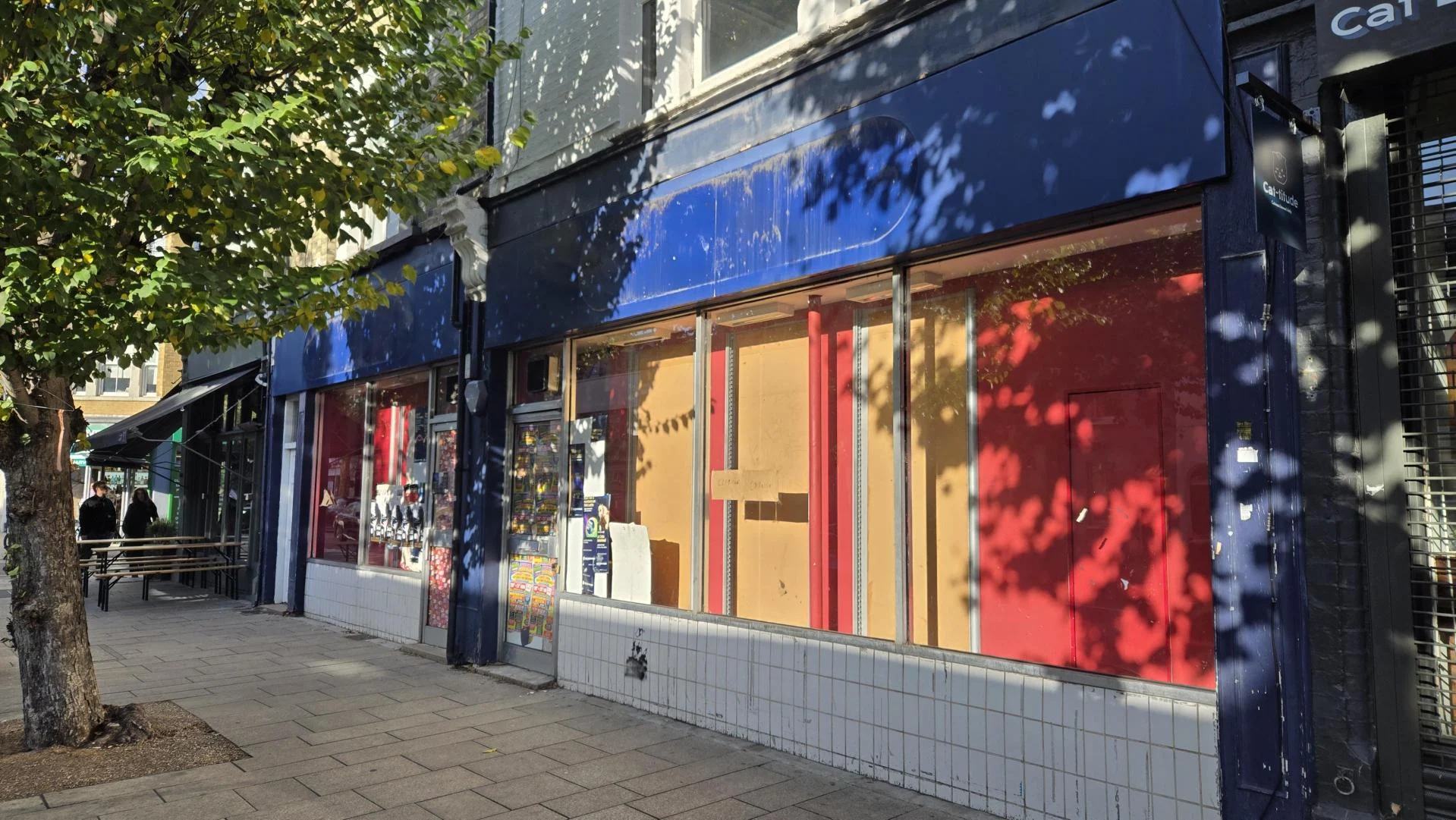
Prime Minister Andy Burnham's government has smartly recognized the high street as a significant political issue in the UK. There's a widespread sentiment of decline affecting these vital community centers, and the government has seized on this, proposing a series of rhetorical and policy commitments aimed at revitalizing them.
Having been largely overlooked by previous administrations and hit hard by rising costs, the COVID-19 pandemic, and the rise of online shopping, the condition of Britain's high streets resonates deeply with people. Supporting them is likely to garner favor across various political backgrounds, as these businesses provide direct or indirect employment to many of the working Brits Burnham seeks to engage with his localized, basics-first political stance.
However, not all businesses on the high street share the same narrative. Gambling venues have been cast in a negative light and positioned as part of the problem. Back in August, Burnham faced backlash from the gambling industry after he grouped betting shops with disparaged vape shops, branding them as ‘dodgy businesses’. This statement accompanied his announcement of increased authority for councils to reject new gambling establishments.
This direction isn’t entirely new. Last year, when then-Chancellor Rachel Reeves proposed nearly doubling the remote gaming tax, she linked it to combatting the harms associated with gambling. Critics from the industry pointed out that if the goal was genuinely to address harm, some of the generated revenue should contribute to harm reduction efforts, which it did not.
In the recent budget announcement on October 28, the government has chosen to reduce business rates for high street shops, funded by a tax increase on gaming machines. Chancellor John Healey revealed plans to raise the exemption threshold for business rates, enabling more shops to avoid the levy, while others would see a freeze in real terms. "To pay for this support for our high streets, I am raising taxes on gambling," Healey stated, indicating that Adult Gaming Centres and vape shops would not benefit from the business rate relief. He reiterated his commitment to using increased gambling taxes to foster growth on high streets.
This budget decision was met with applause from allies and advocates for gambling reform. MP Alex Ballinger expressed on X that high street support should favor local businesses rather than cater to the gambling sector. Meanwhile, Dawn Butler, who actively campaigned to overturn gaming restrictions, commended the idea of funding business rate reductions through gambling taxes, stating, “Basically we’re taxing harm to help good business,” in a video shared on Facebook, while urging Healey to take even bolder steps.
The narrative surrounding the gambling tax hike starkly contrasts with the government’s ‘time-limited’ banking levy increase, intended to help with energy bills. During the budget speech, Healey acknowledged the banking sector's contributions to the UK economy, thanking them for their roles and asking for support to "help fund breathing space" for the public.
Gambling, however, was not afforded the same acknowledgment. This discrepancy reveals a troubling aspect of the government’s approach: treating the gambling industry as a cash resource to finance other areas of concern without any need for gratitude.
While it’s understandable that to rejuvenate the high street—an admirable objective—money needs to come from somewhere, using gambling premises as a financial tool is convenient, especially since they are frequently located in struggling high streets, raising legitimate concerns among the public. Even some members of the far-right political party, Restore UK, expressed disapproval about the tax increase.
There is merit in the argument that the gambling industry should contribute more to local communities, especially since gambling can indeed lead to social harm. Thus, supporting the notion of higher taxes from operators to assist local businesses makes sense. The sector could even see this as a potential source of pride and leverage amidst growing public skepticism.
Nevertheless, this recent tax policy moves further away from fostering a constructive dialogue. By characterizing the industry as merely a resource for funding preferred businesses, the government fails to recognize the legitimate contributions gambling outlets make to the high street economy, which recent YouGov data suggests may help stimulate overall high street spending. While dilapidated storefronts do diminish the high street's appeal, raising the machine gaming duty (MGD) does not incentivize improvements, creating a cycle of decline.
The rhetoric surrounding tax increases is significant; by publicly framing gambling as a wealthy vice, the government legitimizes further tax hikes, which may lead to more shop closures and job losses in the high street.
This framing may be more concerning than the tax increase itself. The anticipated MGD hike had been widely reported, with potential rates discussed in the press beforehand. Analysts have suggested that while the five-point increase poses challenges, it might be manageable for firms. Yet, due to the current framing from the government, operators have little assurance that further increases will not occur in the future. Some Labour MPs, including Dawn Butler, have advocated for a 40% MGD to be implemented.
There exists a considerable uncertainty regarding the long-term regulatory and fiscal landscape that the gambling sector must navigate, which operators assert inhibits investment and long-term strategic planning. The attitude displayed by Burnham and Healey threatens to undermine not just the economics of this sector, but also the potential benefits it can provide, ultimately impacting the very high street they hope to revitalize.

