
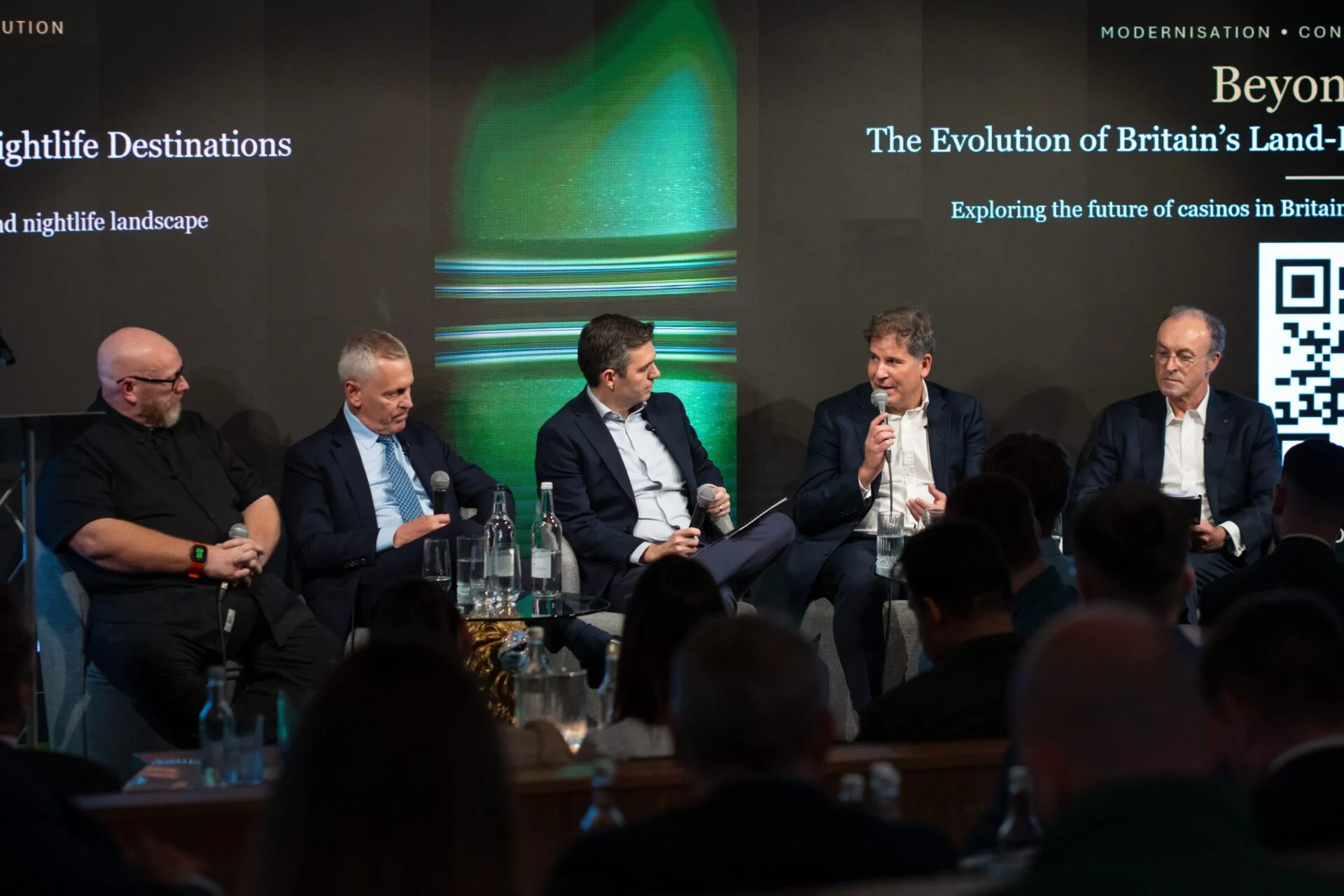
On Wednesday, prominent figures from the UK casino industry expressed concerns about the potential doubling of the machine games duty (MGD) and its implications on investment and employment as the sector seeks to modernize. These comments were made during a panel discussion at the Hippodrome Casino in London, featuring executives from key operators such as Rank Group, Genting Casinos, and the Hippodrome, along with representatives from the Night Time Industries Association (NTIA) and consultancy Regulus Partners.
Richard Harris, the CEO of Rank Group, highlighted the compounded effect of rising taxes, tighter regulations, and increasing operational expenses on the industry's viability. "In my four and a half years, we’ve closed four of our venues," he stated, noting that these closures resulted from a difficult financial landscape fraught with high costs and regulatory pressures, which together strain profitability and cash flow.
Harris emphasized that speculation regarding higher taxes has already affected investment choices, a sentiment echoed by Paul Willcock, COO of Genting Casinos. Willcock remarked that concerns over potential MGD hikes are "keeping us all awake." The Social Market Foundation proposed increasing the MGD from the current 20% to 40%, which has been suggested for discussion in the upcoming autumn budget.
The casino sector has strongly contested this proposed increase, fearing it could severely disrupt retail operations. In September, Fred Done, the owner of Betfred, indicated that implementing such a tax increase could lead to the closure of 495 shops within a year, resulting in a loss of 2,575 jobs and approximately £67 million in tax revenue for the government.
Willcock mentioned that a more stable tax environment would enable investment to flow, reiterating Genting's commitment to UK expansion, provided the fiscal and regulatory landscape remains predictable. "Genting has invested $5 billion on the Las Vegas Strip in the last five years, spent $5 billion in New York, and $3 billion in Singapore. It is itching to invest in the United Kingdom," he stated.
Simon Thomas, executive chairman of the Hippodrome, stressed the importance of regulatory stability over the typical investment timelines of three to seven years, confirming that a consistent business environment is vital for future investment.
The panel acknowledged the positive effects anticipated from the Gambling Commission's 2025 land-based modernization reforms, which will raise the number of slot machines permitted in casinos from 20 to up to 80, along with modifications to ancillary betting rules. Harris disclosed that Rank Group had increased its machine portfolio by about 65%, from 1,400 to 2,250 machines, investing £15 million in just one venue due to these reforms.
However, participants cautioned that while these changes are promising, they need time to fully take effect, and tax stability should accompany any regulatory changes to allow the sector to thrive. Dan Waugh, a partner at Regulus Partners, stressed the need to evaluate whether the reforms enhance customer experience and broaden the appeal of the casinos.
The casino industry has projected a planned investment pipeline of around £200 million in the coming years. Michael Kill, CEO of the NTIA, highlighted the broader economic benefits of sustained investment in casinos, which would support local economies, create jobs, and strengthen local supply chains.
A report by the NTIA revealed that, among respondents, 58% identified the casino as their primary reason for visiting an area, and 55% admitted they might not have visited at all without the casino’s presence. If the MGD increase were to occur, projections suggest job losses could total around 3,800 nationwide. A survey involving 23 operators indicated that 95.7% would reduce staffing and 91.3% would cut venue investments in response to a tax hike, with 60.9% potentially closing a venue altogether.
Panelists emphasized the crucial role casinos play as significant employers and contributors to their communities. Willcock noted that Genting employs around 3,500 people in the UK, underscoring the rigorous training processes in place: "There’s significant training, six weeks of training before anybody can go anywhere near a casino table," he explained.
Kill and Waugh further elaborated on the societal impact of casinos, including improved perceptions of safety in town centers during late-night hours and venues serving as community meeting spaces. Kill remarked that, surprisingly, people felt safe coming to these areas after midnight due to factors like high service levels and lighting.
The panel collectively urged the government to allow the 2025 reforms to take root without introducing additional tax increases in the immediate term. Kill called for the opportunity to ensure these reforms are effective and recognized casinos as essential components of a vibrant hospitality sector that supports 24-hour economies.
Willcock and Harris highlighted that a clear and sustainable fiscal framework would be essential for driving further investments. Waugh warned against policies driven predominantly by public health concerns, advocating for a balanced regulatory approach that protects consumers while enabling sustainable business growth. Recently, Regulus estimated that the horse racing industry could potentially lose around a third of its revenue, equating to £92 million, should the proposed duty increase be enacted.

