
Following two significant losses in circuit courts, the U.S. Commodity Futures Trading Commission (CFTC) has proposed new rules regarding the regulatory treatment of event contracts. On Monday, the CFTC submitted drafts to the White House aimed at modifying the definition of a "swap" specifically for prediction markets. Traditionally, a swap is viewed as a transaction that relies on the occurrence of an event that affects financial, economic, or commercial outcomes.
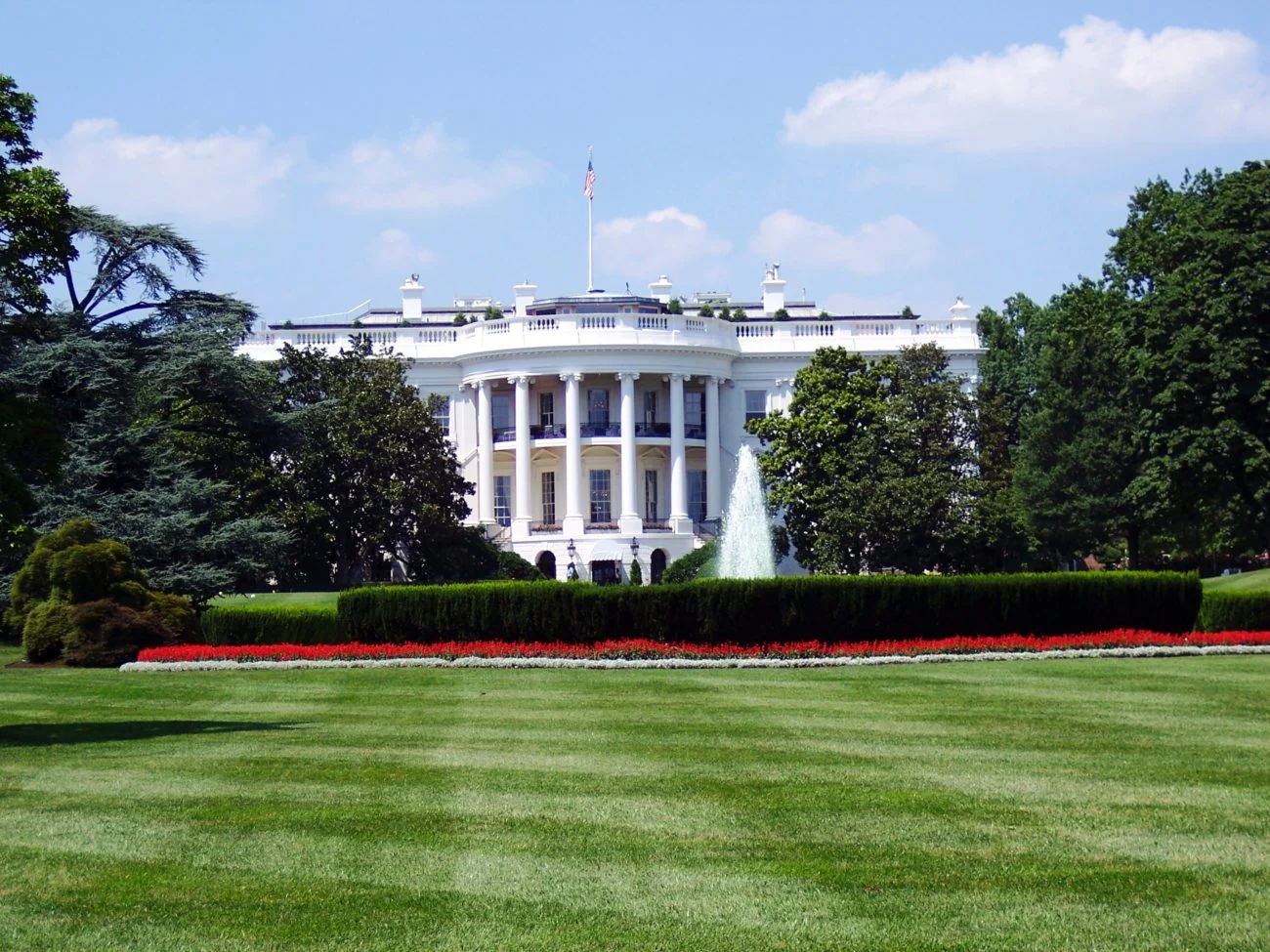
One proposal (RIN: 3038-AF82) intends to expand the swap definition to encompass event contracts. Another proposal is under review to determine if swaps should exclude gaming-related products. If these proposals are approved, they would prevent Designated Contract Markets (DCMs) from offering contracts on online gaming products like blackjack and craps. The CFTC delivered these proposals to the White House Office of Information and Regulatory Affairs, a move that may reassure advocates of iCasino concerned about the potential competition from prediction markets in the near future.
Notably, just last week, the U.S. Court of Appeals for the Sixth Circuit ruled in favor of Tennessee, overturning a lower court's decision. Kalshi, which initiated event contracts in Tennessee in 2025, contended that these products qualify as swaps. The timeline for subsequent steps in the regulatory process remains uncertain.
At the Global Gaming Expo in Las Vegas, states rights advocates presented a united front against prediction markets for the second year in a row. The American Gaming Association (AGA), which has been at the forefront of opposing this emerging asset class, claims states have missed out on over $1 billion in tax revenue due to the rise of prediction markets. This week, the AGA partnered with the Indian Gaming Association, both viewing prediction markets as a significant threat to the regulated gaming landscape in the U.S.
During a panel on the opening day, AGA President Bill Miller contested the argument made by prediction operators that their contracts serve as effective hedging mechanisms. Miller argued that a typical Tuesday night baseball game does not have substantial economic implications and should instead be classified as sports wagering. Joining him were IGA Chair David Bean and Executive Director Jason Giles, as they highlighted the rapid growth of prediction markets, particularly in California and Texas.
California Nations Indian Gaming Association Chair James Siva pointed out that tribes remain the exclusive operators within the state. Miller expressed his belief that the battle over prediction markets may escalate to the Supreme Court, asserting that states have gained momentum following recent victories in lower courts. He emphasized, "The only way we lose is if we take our foot off their throat."
While the gaming sector convened in Las Vegas, another significant development took place; the U.S. Senate overwhelmingly passed the Protect College Sports Act. Sponsored by Texas Senator Ted Cruz, the legislation, which sets uniform standards across college athletics, received a vote of 77-22 in favor. The bill empowers conferences and athletic associations to bar athletes from competing in college sports should they engage in sports betting or participate in sports event contracts. Cruz stressed the importance of maintaining integrity in both areas. The bill is now set to move to the U.S. House of Representatives.
In parallel news, Kalshi has initiated a new funding round targeting $1 billion, potentially valuing the company at around $40 billion, indicating that its valuation has more than doubled over the last year. Additionally, San Antonio Spurs center Victor Wembanyama shared his thoughts on player endorsements of prediction markets and sportsbooks. Recent months have seen prominent players like LeBron James and Giannis Antetokounmpo secure deals with prediction market platforms. When asked if he would consider endorsing such operators, Wembanyama firmly stated, "Absolutely not, honestly, I think it’s very sad to see some players promote it."

