
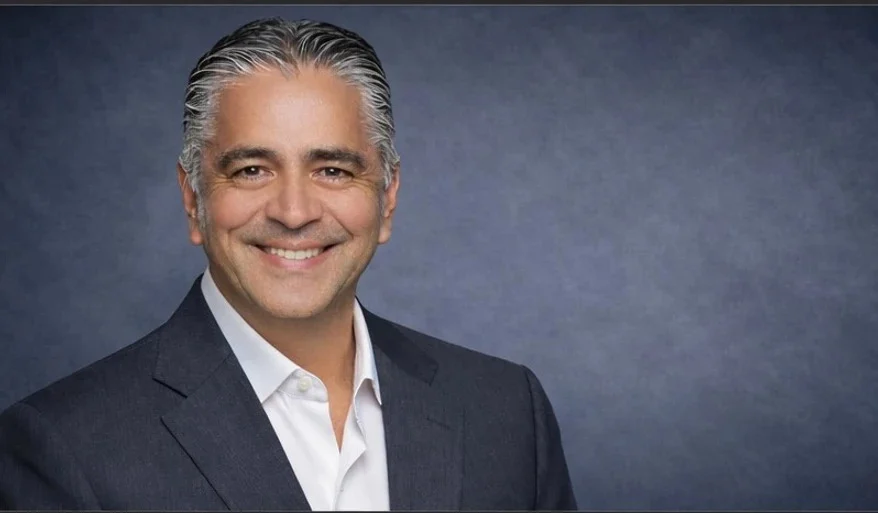
Alex W. Pariente emphasizes that for Brazil to regain investor confidence in the iGaming sector, stability in regulations is crucial. With the expiration of multiple licenses and ongoing disputes surrounding Provisional Measure 1,394, he organizes his analysis around seven essential questions that Brazil must address.
In his article for iGaming Business, Pariente asserts that the clarity and enforceability of laws are more significant than advertising strategies or potentially low taxes that may be subject to change. He observes that Brazil possesses the foundational legal, regulatory, and professional structures necessary to revitalize the sector. The primary challenge, as he sees it, lies in maintaining these frameworks while developing sustainable solutions that can turn the current crisis into a fresh investment opportunity.
**Seven Questions Brazil Must Answer**
As of October 25, Brazil’s authorized betting market has ceased operations. The 85 licenses issued under Law 14.790, totaling BRL2.55 billion ($476.2 million) in fees, have lapsed without refunds.
Provisional Measure 1.394 remains implemented as Congress has yet to form the joint committee required to assess it. Meanwhile, on November 3, Minister Luiz Fux of the Supreme Federal Court (STF) will facilitate a public hearing to consider the perspectives of the government, associations, and clubs before deciding on any suspension requests.
Those observing Brazil from abroad are currently scrutinizing the situation. Pariente notes that typically, an investment committee will focus on seven main questions:
1. **Will the questions surrounding Provisional Measure 1,394 be resolved?**
No major operator is willing to venture into a market where existing investors are entangled in legal disputes, particularly regarding the BRL2.55 billion they invested. Any future framework for iGaming or land-based gaming needs to prioritize resolving these licensing challenges and the 19 ongoing lawsuits.
2. **Will the regulations be established by law?**
Changes made lawfully, along with transitional measures and compensation rules, hold greater significance. For example, in Spain, the Supreme Court invalidated certain advertising restrictions imposed by decree in 2024, asserting that such significant limitations require parliamentary approval.
3. **Will there be an independent regulator?**
The United Arab Emirates successfully established its federal regulator in 2023 before issuing any licenses. Similarly, Singapore organized its regulations prior to launching its resorts. Brazil has the Secretariat for Prizes and Bets, which has implemented data and payment control systems in under two years. The task now is to ensure it has a stable technical mandate.
4. **Is the concession model appropriate for the investment timeline?**
In 2022, Macau renewed its concessions for a decade, revising investment commitments with the government. Italy has begun to issue online licenses valid for up to nine years. For integrated resorts, the time between decision and launch has varied from three to seven years in Singapore, Japan, and the Emirates, necessitating clear renewal timelines and regulations from the outset.
5. **Will the tax obligations remain consistent?**
Colombia established a 19% VAT on online gambling via an emergency decree, but the Constitutional Court revoked it in 2026, ordering the return of collected funds. Investors typically prefer a consistent tax framework over a lower tax that might be altered later.
6. **Can capital be moved securely?**
Brazil has established a modern exchange rate system since late 2022. Investors are particularly interested in whether this will be uniformly applied to the gaming sector, especially concerning dividend remittances.
7. **Who will satisfy the ongoing demand?**
Projections from H2 Gambling Capital indicate that the unregulated market could expand from roughly BRL17 billion to BRL42 billion. After the Philippines banned online gambling targeting foreign markets in 2024, it had to enact a specific law in 2025, imposing penalties of up to 12 years in prison to enforce the ban. Any new model must consider how to manage this demand and the associated regulatory costs.
How Brazil responds to these questions will vary regardless of whether the model chosen is more open or restrictive, but all hinge on regulatory stability. The country already has some answers: a 2023 law, a functioning regulator with necessary systems, an established exchange rate framework, and a generation of compliance-trained professionals pursuing opportunities both domestically and abroad.
Pariente Advisory maintains neutrality concerning the direction Brazil should take with gaming legislation. With the elections concluded, the onus now lies with Brazilian institutions. For potential investors looking at Brazil, the responses to these seven questions will weigh heavier than any public announcements. If satisfactory, the challenges faced in 2026 could herald the emergence of a market that reflects Brazil's potential.

