
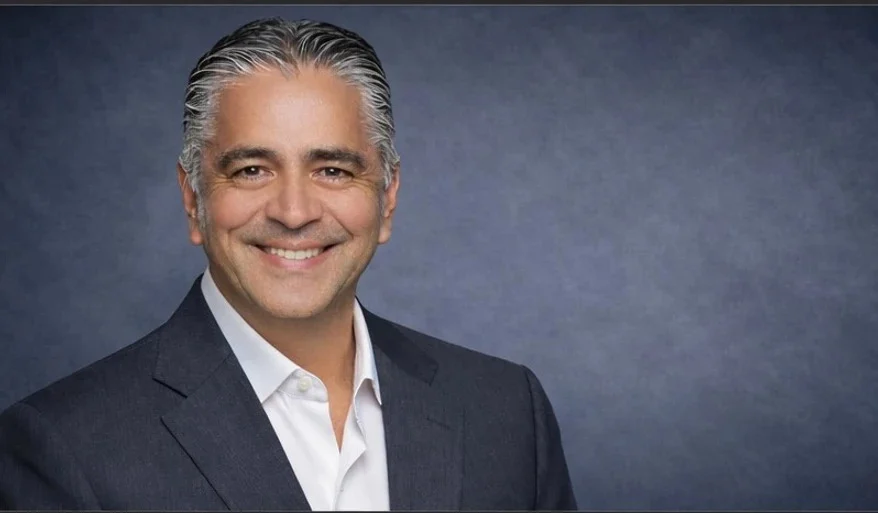
The stability of regulations is crucial for Brazil to regain investor trust in the iGaming sector, according to Alex W Pariente. With the expiration of licenses and ongoing disputes related to Provisional Measure 1,394, Pariente structures his analysis around seven critical questions. He emphasizes in his latest article for iGaming Business that the priorities of legal certainty and enforcement capabilities outweigh transient factors like advertising restrictions or lower taxes.
Brazil has the necessary legal and regulatory infrastructure to revive its gaming industry; the challenge lies in maintaining these frameworks while providing long-lasting solutions that could turn the current crisis into a fresh opportunity for investment.
Since October 25, Brazil has been without an authorized betting market. The 85 licenses issued under Law 14.790, amounting to BRL2.55 billion ($476.2 million) in grants, expired without issuance of refunds. Currently, Provisional Measure 1.394 remains in effect while Congress has yet to form a joint committee for its assessment. A public hearing, scheduled for November 3, will involve Minister Luiz Fux from the Supreme Federal Court (STF), government representatives, and various associations and clubs discussing suspension requests related to the measure.
Those evaluating Brazil's market from abroad are taking a cautious approach. Typically, an investment committee's evaluation revolves around seven pivotal questions:
1. **Will the liabilities arising from Provisional Measure 1,394 be resolved?** No reputable operator will invest in a market plagued by unresolved disputes involving the BRL2.55 billion already paid by earlier investors. Any future gaming model will need to first tackle potential licensing issues and 19 ongoing lawsuits.
2. **Will the rules come by law?** Structural changes initiated via legislation, complete with transitional measures and compensation protocols, are viewed as more favorable. For instance, the Supreme Court in Spain annulled advertising restrictions implemented by decree in 2024, insisting that such regulations require parliamentary approval.
3. **Will there be a regulator capable of bypassing governments?** The UAE set up a federal regulator in 2023 prior to issuing its inaugural license in 2024. Similarly, Singapore created regulatory frameworks before launching its resorts. Brazil’s existing Secretariat for Prizes and Bets has already developed data and payment control systems within a short timeframe; the focus now should be on providing it with a technical mandate and stability.
4. **Is the concession model compatible with the investment timeframe?** Macau renewed its gaming concessions in 2022 for a decade with revised commitments, while Italy began granting online licenses for a maximum of nine years. For integrated resorts, clarity on renewal periods and rules is necessary from the beginning, considering the lengthy decision-to-opening cycles of places like Singapore, Japan, and the UAE.
5. **Will the tax burden remain stable?** Investors prefer a predictable tax environment over variable rates, as illustrated by Colombia’s emergency decree that imposed a 19% VAT on online gambling, later reversed by the Constitutional Court in 2026, which required the government to return collected funds.
6. **Will capital be able to enter and exit safely?** Brazil's modern exchange rate system, operational since late 2022, raises questions about its applicability to the gaming sector, especially concerning dividend remittances.
7. **Who will meet the continuing demand?** Projections from H2 Gambling Capital suggest that the unregulated market could see growth from approximately BRL17 billion to BRL42 billion. The Philippines, having banned online operators targeting foreign markets in 2024, required specific legislation in 2025 to enforce the ban, implying that any new model in Brazil must have provisions to manage demand efficiently, including regulatory costs.
These inquiries are applicable irrespective of whether the future model leans towards being more open or restrictive; the essence lies in the stability of regulations. Brazil already has some answers in place, including a new law enacted in 2023, a functioning regulator with data systems, a reliable exchange rate framework, and a dedicated workforce trained in compliance, responsible gaming, and payment methodologies, many of whom are currently exploring opportunities both domestically and internationally.
Pariente Advisory does not advocate for a specific direction for Brazil’s gaming policy. With the elections concluded, the responsibility now lies with institutional frameworks. For potential investors monitoring Brazil, the forthcoming responses to these seven questions will carry more weight than mere announcements. Positive answers could signal that the turbulence of 2026 might mark the dawn of a market deserving of Brazil's potential.

