
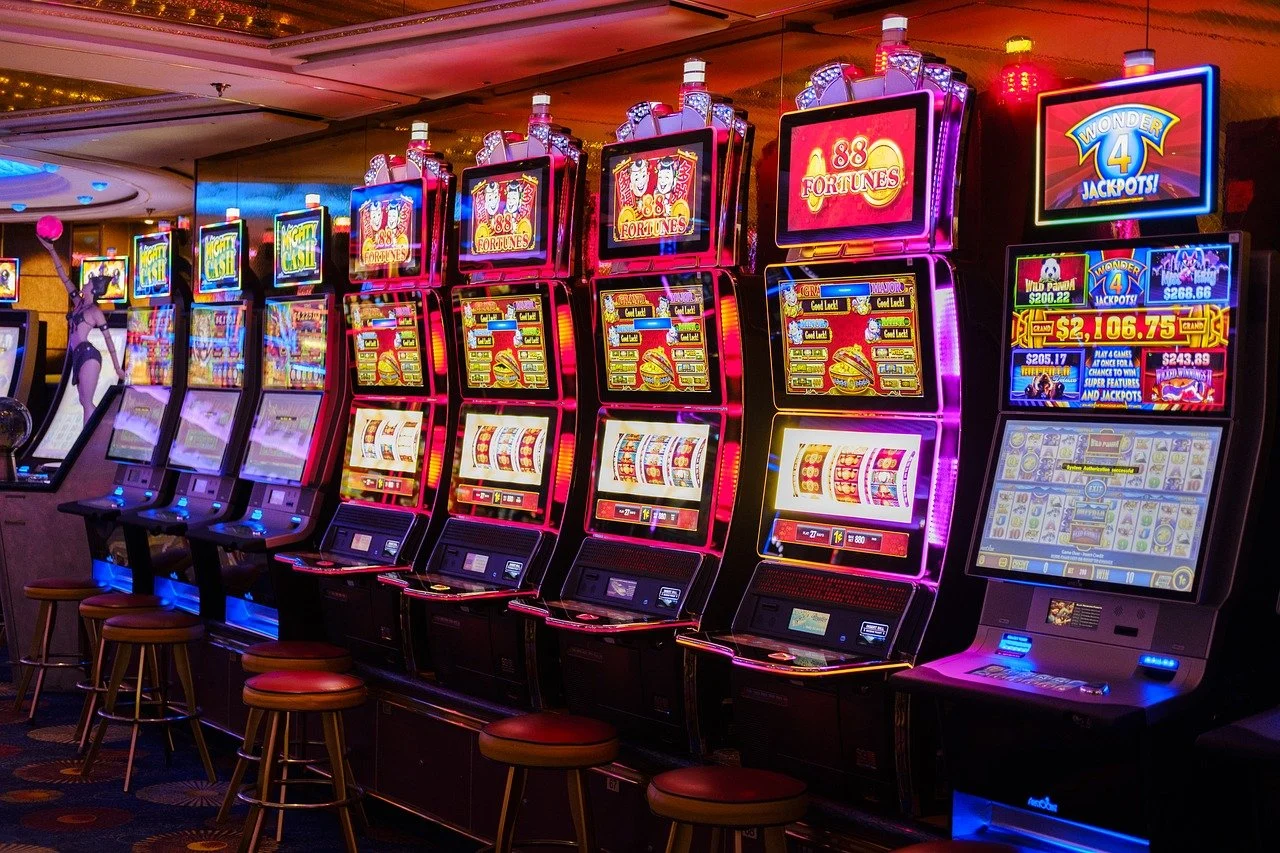
Adult gaming centres (AGCs) specialize in offering play on gaming machines and do not engage in sports betting. Many of them operate 24/7, with numerous locations reportedly open around the clock. As the number of betting shops declines, arcades have begun to occupy similar spaces, earning a reputation among politicians as emblematic of the deterioration of high streets.
British Prime Minister Andy Burnham has openly criticized betting shops, viewing them as a glaring sign of urban decay, and he has even less favorable opinions about AGCs. “Andy hates adult gaming centres,” a Labour insider disclosed to The Times, suggesting that government action against them may be on the horizon.
Plans for the upcoming budget announcement on October 28 are reportedly under consideration at the Treasury. Officials are contemplating increasing the machine games duty (MGD), a tax imposed on machine revenues, primarily targeting both betting shops and AGCs. This potential rise presents high stakes for enterprises reliant on machine income.
In terms of market presence, AGCs are not quite as dominant. Consultant Dan Waugh from Regulus Partners highlights that, as per data from the Gambling Commission, AGCs account for roughly 4% of total gambling spending in the licensed market. While they do compete directly with bookmakers for machine revenue—securing about a quarter of licensed market spending compared to nearly half for betting shops in 2024/25—the political spotlight is much brighter on AGCs.
The situation began to shift in 2019 when the government reduced the maximum stake for fixed-odds terminals to £2. Waugh describes this modification as an action that effectively aimed to eliminate B2 gaming machines, leading to a notable migration of machine spending from betting shops to casinos and AGCs, particularly as many betting outlets closed.
Bookmakers acknowledge the change, although their estimates of the resultant impact vary. A spokesperson for a major UK operator remarked, “I don’t think anyone can estimate the revenue impact with much certainty” but emphasized that the crucial detail rests on the money: “AGC revenue is growing while betting-shop revenue is declining.”
Cost structures play a significant role in the success of AGCs over traditional bookmakers. A betting operator shared that running an AGC is significantly cheaper due to their classification as hospitality venues for business rates; in contrast, betting shops face higher financial-service rates. Additionally, AGCs contribute less towards statutory levies and do not incur media rights fees for broadcasting racing. This financial advantage results in a naturally lower cost base, a situation facilitated by the government.
The operational hours and machine variety further benefit AGCs, as they often cater to late-night clientele well past the closing time of betting shops, which typically close by 10 PM. While a betting outlet may host only four higher-stake Category B machines, AGCs often incorporate a larger number of lower-stake Category C machines, allowing for a greater diversity of options.
The political discourse around AGCs is also influenced by their geographical locations. According to the Social Market Foundation (SMF), the most disadvantaged areas of Britain house an average of six times more AGCs compared to affluent neighborhoods. Waugh believes that much of the hostility towards arcades is rooted in snobbery, pointing to data indicating that rates of problem gambling among arcade machine players are lower than those of pub machine players. AGCs typically cluster in seaside towns and urban centers, alongside discount shops and wet-led pubs, which cater primarily to working-class interests.
Regulatory oversight of AGCs is divided; while operators must secure licenses from the Gambling Commission, they also require premises licenses from local councils. Under the Gambling Act 2005, councils are constrained to “aim to permit” applications that satisfy legal criteria, limiting their capacity to deny new arcade establishments.
The spokesperson for the operator noted that the Gambling Commission has been slow to provide robust scrutiny of AGCs, although that is changing. Current government efforts are giving more authority to local councils, with the introduction of Gambling Impact Assessments, and plans to reassess the “aim to permit” approach. Lord Foster of Bath, chair of Peers for Gambling Reform, expressed concerns regarding the existing regulatory framework, highlighting the need for localities to have greater power to prevent new AGCs when desired, focusing particularly on high-stake machines with significant associated risks.
Calls from peers also include addressing alleged violations of current regulations, such as improper machine-gaming ratios and the use of less accessible machinery. Proposals for increased funding for councils to enforce these regulations are on the table.
The call for modifications extends from bookmakers, who argue that ending the “aim to permit” is essential to curtail the establishment of new venues. They posit that the government must tighten existing tax loopholes that AGCs currently exploit, viewing them as “mini-casinos on the high street.”
A potential increase in MGD looms as a pressing issue. Currently ranging from 20% to 25% for most machines and generating about £600 million annually, the SMF suggests a rise to 40% for all gambling facilities, excluding pubs, which could potentially generate an additional £458 million. The SMF highlights the economic toll of machine-gaming harm at an estimated £2.33 billion. Whether Chancellor John Healey will implement these suggested changes remains uncertain. Previous attempts to increase rates by Rachel Reeves were thwarted by industry pushback, leading her to raise remote gaming duty instead. Heathier economic forecasts may embolden Healey to pursue higher rates, although exceptions for bingo halls and pubs may be in play according to other sources.
Industry expert Waugh warns that such tax increases could greatly destabilize the sector, leading to widespread AGC closures, in addition to further declines for bingo halls and casinos, many of which are still recovering from the strains of inflation and the pandemic.
Entain, operating Ladbrokes and Coral, has been vocally against proposed tax hikes. In a September 11 letter to the Prime Minister, CEO Stella David pointed out that doubling the tax rate would impose an additional £100 million in costs annually to its UK operations. She referenced modelling that forecasts as many as 1,470 closures and a loss of 15,900 jobs if the duty rises. During Entain’s third-quarter earnings call on October 15, David reiterated that this tax strategy would be counterproductive, asserting that it could diminish Treasury returns instead of enhancing them.
In response, the trade body representing arcades, Bacta, stated, "you cannot tax or regulate lawful industries out of existence simply because you dislike them."
As AGCs offer a more financially viable business model, the notion of transitioning betting shops into AGCs has arisen. Reports indicate that Betfred may consider such transformations as they cull some locations. However, a Betfred spokesperson clarified that they are not pursuing this strategy. A significant increase in MGD would negate the financial appeal of such conversions.
According to Waugh, operators with stronger finances are likely to endure any duty increase, but the real risk lies with the emergence of an illicit market. Frontier Economics estimates that illegal land-based gambling already attracts around £1.6 billion annually.
Should the government push for increased duties, it may put AGCs out of operation without remedying the challenges faced by traditional bookmakers, potentially pushing gambling activity back underground. Waugh summarizes that a duty increase would primarily benefit those operating outside the law while hurting regulated businesses.

