
The Swedish online gambling association, Branschföreningen för Onlinespel (BOS), has urged for a reevaluation of how anti-money laundering (AML) fines are assessed as the deadline for public feedback on new EU AML regulations approaches today, October 30.
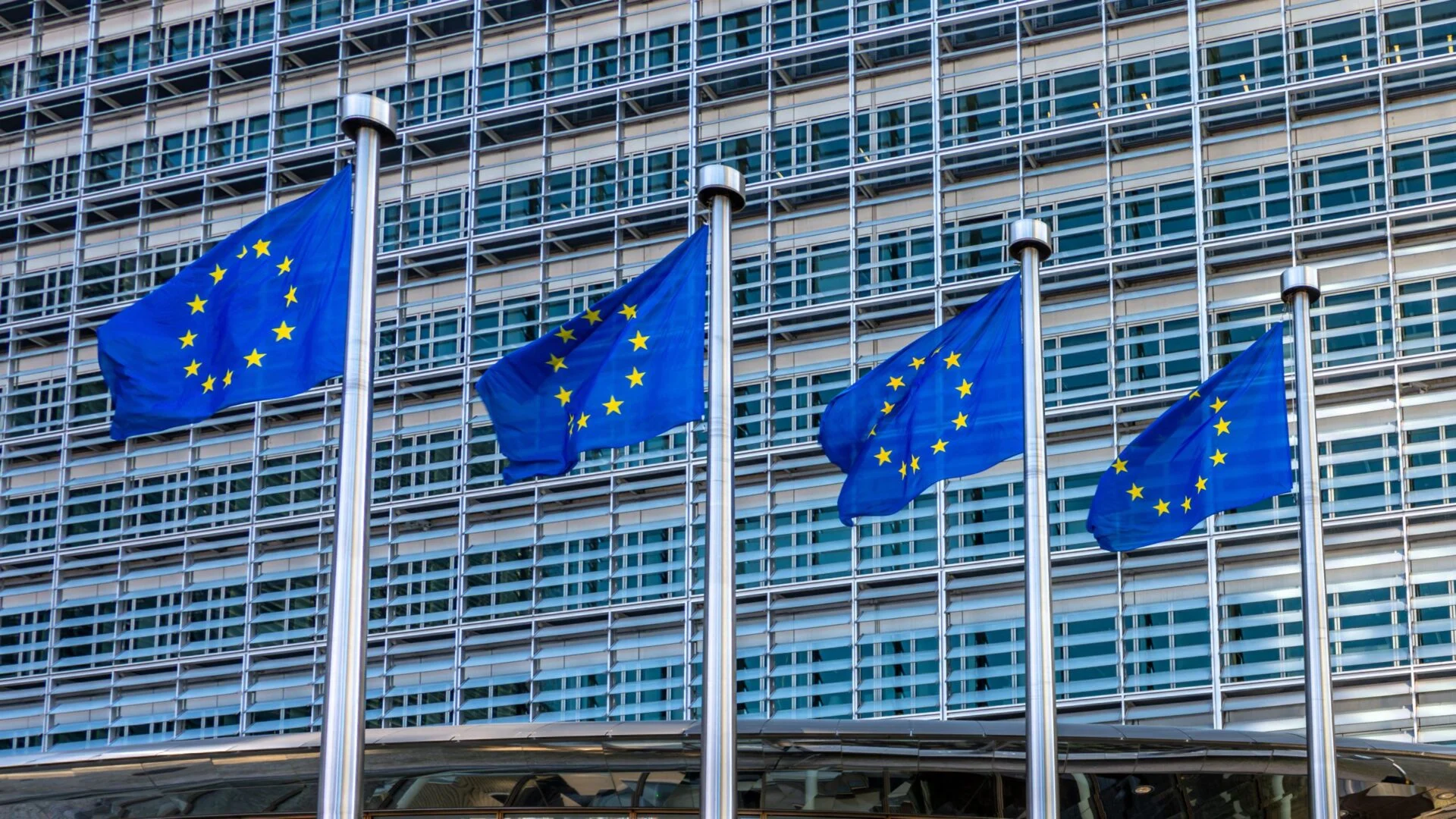
In July, the Ministry of Finance released a memorandum outlining how Sweden should align its laws with the EU’s AML directives. The EU’s forthcoming Anti-Money Laundering Regulation will take effect in all member states beginning July 10, 2027, prompting the Ministry to seek opinions from BOS and other stakeholders.
BOS expressed general support for the proposed measures but voiced concern over the recommendation that fines for gaming operators in Sweden might be calculated based on the total turnover of their entire corporate group. The association argues that only revenue generated within Sweden should be considered when determining penalties. They highlighted that using group-wide data risks imposing double penalties, which conflicts with both Swedish and EU legislation.
In addition, BOS proposed that any fines should be calculated based on gross gaming revenue (GGR), which represents the income retained by operators after payouts to winning players. They emphasized that since player winnings are client funds, they should not factor into penalty calculations. Typically, for every SEK100 wagered, about SEK95 is returned to players, with only SEK5 kept by the operator. BOS suggested that penalties should be derived from this SEK5, drawing a parallel to the banking sector where fines are calculated based on a bank's own revenue rather than the total in customer accounts.
BOS Secretary General Gustaf Hoffstedt remarked, “BOS welcomes the proposed EU anti-money laundering package. It has the potential to become an important tool in the fight against money laundering. However, a rethink is needed in some areas—particularly regarding administrative fines—to ensure proportionality, avoid double punishment, and promote legal certainty in general.”
This perspective is not new for BOS. Previously, Sweden’s courts have sided with this reasoning. In a 2023 ruling, the Supreme Administrative Court determined that penalties under the Gambling Act should be based on GGR rather than overall turnover, a decision stemming from a case involving Genesis Global, which faced a SEK4 million fine for not complying with the national self-exclusion register, Spelpaus.
In recent months, there have been discussions in Sweden about elevating penalties for violations of the Money Laundering Act to reflect those under the Gambling Act. While BOS supported this initiative, they reiterated that AML penalties should also be rooted in GGR since it is unfair to penalize operators using money that belongs to players.
The topic is currently under attention; earlier this year, the Administrative Court in Linköping upheld AML fines against Betsson Nordic for SEK6.5 million, Snabbare for SEK5.5 million, and Spooniker for SEK10 million.
The European Commission initially suggested reforms to AML regulations in 2021, which included establishing a new EU Anti-Money Laundering Authority. The revised package was finalized in 2024, with the European Gaming and Betting Association indicating plans to update its AML guidelines to align with these new regulations.

