
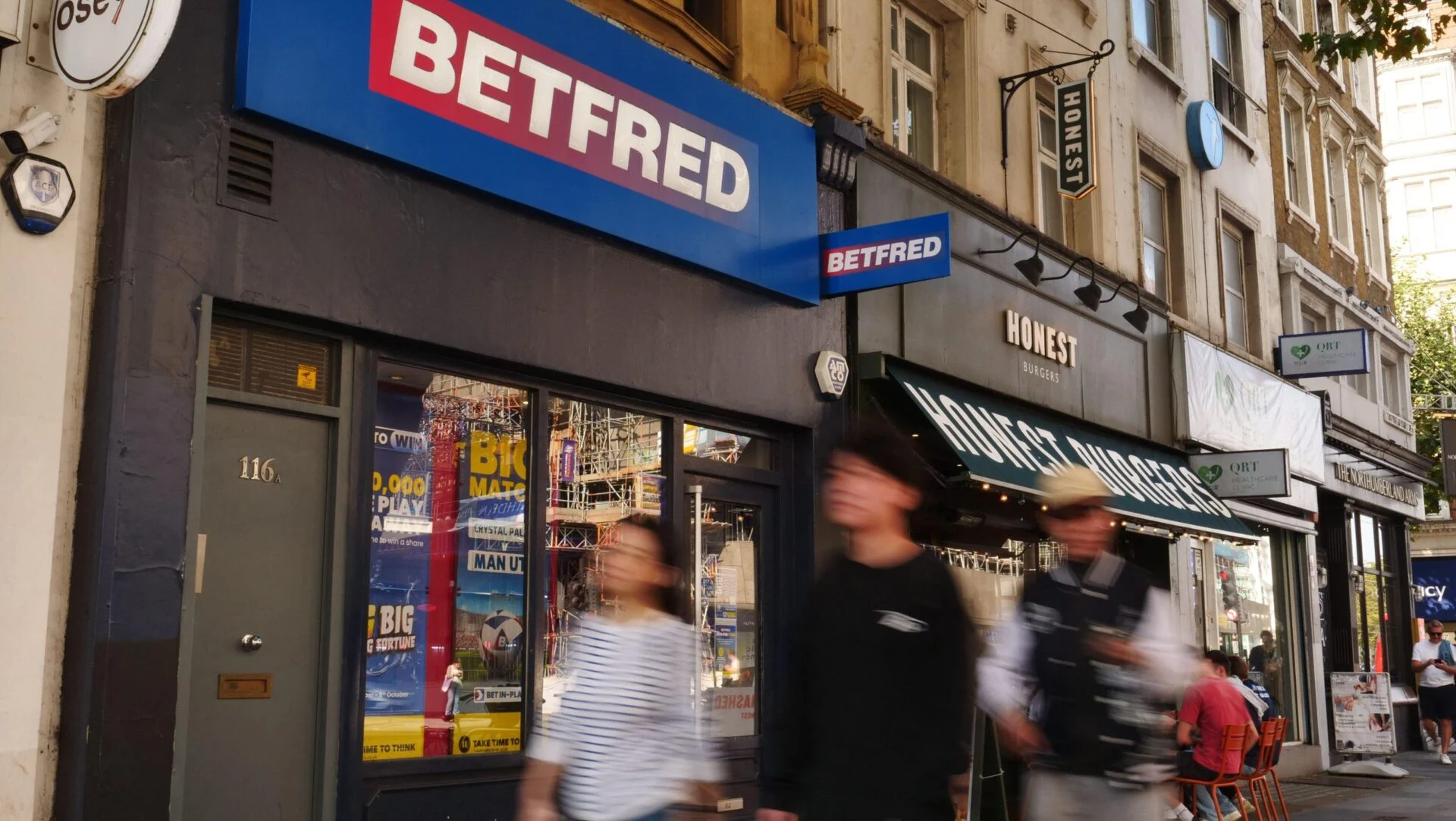
Fred Done, the 83-year-old founder of Betfred and the highest taxpayer in Britain this year, has issued a grave warning regarding the potential repercussions of increased taxation on the gambling industry.
In a recent interview with the Financial Times, Done expressed concerns that further tax hikes may lead to significant closures of betting shops, adversely affect industries connected to gambling, such as horse racing, and exacerbate the decline of high street businesses.
Betfred currently runs around 1,094 retail shops across the UK. Done pointed to the potential doubling of the Machine Gaming Duty, which taxes gambling machines, from 20% to 40%. This increase is reportedly under examination by Chancellor John Healey ahead of the upcoming Autumn Budget.
The retail sector of Betfred remains heavily reliant on fixed-odds betting terminals (FOBTs) and in-store gambling activities. Despite the maximum stake for these machines being reduced to £2 in 2019, FOBTs still contribute to roughly 50% of the shop’s profits. Done has asserted that retail betting would be “impossible” without the continued presence of these machines.
Done warned that if this tax increase is implemented, Betfred could potentially close 495 shops within a year, resulting in the loss of 2,575 jobs and an estimated £67 million in lost tax revenue for the Exchequer.
This year alone, Betfred has already closed 132 locations following prior increases in Remote Gambling Duty. Jo Whittaker, Betfred's Chief Executive, addressed the closures, stating, “We have tried hard to protect all our sites and the colleagues who work in them, but the combined impact of higher employer National Insurance contributions, wage inflation, increases in gambling taxes, and wider economic uncertainty has left us with no choice.” Similar circumstances led Evoke to shut 200 William Hill stores in April.
Stella David, CEO of Entain, has also highlighted the adverse effects of the potential rise in MGD, predicting an increase in operating costs by £100 million should these tax changes occur. In a letter to the UK Prime Minister, David expressed concerns about the job losses and the impact on local communities, stating, “They are people losing their jobs and communities losing long-established high-street businesses.”
Done further elaborated on the broader implications of these closures, predicting a grim future for high street retail. He speculated that betting shops could vanish entirely by 2030, saying, “I believe that by 2030 we will have no betting shops. The high street will be dead. We’ve already worked it out that with the increases in taxes and salaries and other wages it won’t be worth operating.”
As a sponsor of five classic horse races in Britain, including the Epsom Derby, Done mentioned that Betfred has yet to finalize agreements for extending these sponsorships amid the prevailing tax uncertainty. He cautioned that diminishing legal gambling outlets could drive problem gamblers towards the black market.
In response to claims of “scaremongering” by Dame Meg Hillier, chair of the Treasury Select Committee, Done firmly opposed such characterizations regarding the industry's warnings.
The retail sector faced additional setbacks when Burnham announced plans to remove the “aim to permit” regulation for betting shops, requiring now that adult gaming centres (AGCs) obtain specific planning permission. Done posed a poignant question about the fairness of the tax burden on wealthy business owners in the UK, asking: “They keep saying those with the broadest shoulders should be paying more tax. Well, how broad do my shoulders have to be? We paid £400 million in taxes as a family last year.”
While Done personally wishes to avoid relocating from the UK, he acknowledged that his children might consider seeking more favorable tax environments abroad.

