
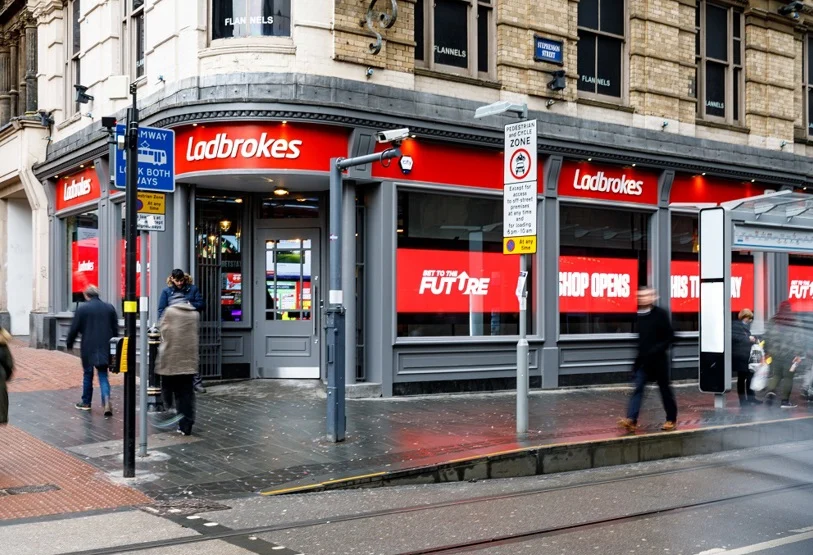
A recent YouGov poll has shown that an impressive 90% of betting shop customers in the UK engage in spending or participating in other local activities during their visits. The survey, which gathered responses from 1,475 adults across the UK, indicates that a vast majority of betting shop users—54%—combine their betting activities with shopping or other expenses on most visits.
These findings, shared by prominent operator Entain, highlight the significant financial contribution of retail betting in the UK, especially with the autumn budget approaching.
Entain, which operates well-known brands like Ladbrokes and Coral, emphasizes the role of betting shops in supporting local economies. Bejay Patel, managing director of Entain Group for the UK and Ireland, expressed that the study underscores the vital function betting shops serve in boosting high streets and local businesses. "This research confirms what our hard-working colleagues know to be true – betting shops are a cornerstone of every high street and provide a boost to local business," Patel remarked, stressing the importance of recognizing this contribution to local economies.
The YouGov survey also shed light on the social aspects of retail betting. Approximately 68% of participants view betting shops as established fixtures on the high street, while 60% believe they help sustain local employment. Furthermore, 76% of betting shop customers hold positive views about these locations as social gathering spots, a rating comparable to that of cafés, which enjoyed a 77% approval.
Entain has promoted awareness of the positive effects of betting shops through its "What’s at Stake" campaign. However, the timing of this report coincides with challenges facing UK retail betting shops. Both Betfred and Evoke have closed numerous locations this year, and Flutter recently announced that 1,400 jobs in its UK and Ireland operations are at risk due to restructuring efforts.
The UK betting sector has been notably strained by the remote gaming duty hike from 21% to 40%, initiated in April. Further complications loom as Labour MPs recently addressed a letter to UK Chancellor John Healey, advocating for an increase in machine games duty. Speculation points to a potential rise in this tax, possibly from 20% to 40%, though reports suggest it may be capped at 25%.
Grainne Hurst, CEO of the Betting and Gaming Council, voiced concerns that even a modest tax increase would significantly challenge the UK industry. She stated, "Any further tax increase would heap more pressure on an industry already facing substantial tax rises, threatening jobs, high streets, and vital funding for British racing. With the budget still to come, we urge the chancellor to consider the full economic consequences of any further tax increases and protect the jobs, businesses, and British sport that depend on the regulated industry."

