
As the World Cup draws to a close, sportsbooks face a crucial question: What happens to the customers who joined for the tournament? Many of these bettors, many participating for the first time, came to wager on the group matches and follow the knockout stage. When the final whistle blew, they were greeted by a betting landscape filled with mid-season sports and competitions previously unfamiliar to them. The excitement that initially attracted them has seemingly faded with the tournament's conclusion.
This market shift represents a significant challenge for operators, especially considering that total bets for this World Cup are predicted to exceed $50 billion, an increase from $35 billion during the 2022 Qatar tournament. Attracting these new customers has come at a cost, with expenses incurred through promotions, enhanced odds, and marketing efforts. For sportsbooks to recoup these acquisition costs, customers must continue betting well after their initial activity.
Insights from the UK Gambling Commission give some clarity on how these bettors behave after the tournament. Their research tracked individuals who bet on the World Cup and continued their betting activity for three months following the event. Although this data is now four years old, it provides an important glimpse into bettor behavior.
Among approximately 100 respondents who had not previously wagered on football, around 70 percent continued to bet three months after the final match. However, fewer than half of these maintained their betting on sports, with many exploring other gambling products.
"The appetite these customers arrive with outlasts the tournament. It goes looking for a fit and it settles wherever it finds one," the report noted.
For established bettors, the findings were similar. While spending on football declined significantly after the World Cup, overall betting participation remained stable or even increased slightly. Notably, league football was active during this period, as the final occurred mid-season with European leagues resuming shortly thereafter. Yet, the influx of bettors brought in by the tournament seemed eager for different options.
The implications for customer retention are clear. Operators must recognize that the enthusiasm these newcomers possess can extend beyond the World Cup. They will seek alternatives, whether from the original sportsbook that tempted them or a different platform entirely. Retaining any customer past the payback threshold translates to profit, reinforcing the importance of catering to this demographic.
To effectively keep these bettors engaged, sportsbooks should prioritize content that resonates with their interests rather than solely relying on traditional customer relationship management strategies. Incentives like reactivation emails and free bets yield better results when there is appealing content behind them. Current research indicates that many operators have offerings that may not align with what these bettors desire.
The challenge lies in understanding what these football fans, accustomed to swift and familiar betting experiences, are looking for. Immediate content that keeps them engaged without requiring extensive knowledge about statistics or new formats is essential.
One innovative example is Oddin.gg's Penalty Arena, which transforms the excitement of penalty kicks into a continuous betting market. Bettors can engage in one kick after another, with each settling in a mere 90 seconds instead of waiting for a full match to conclude. This format requires no extensive knowledge, appealing directly to customers seeking quick gratification.
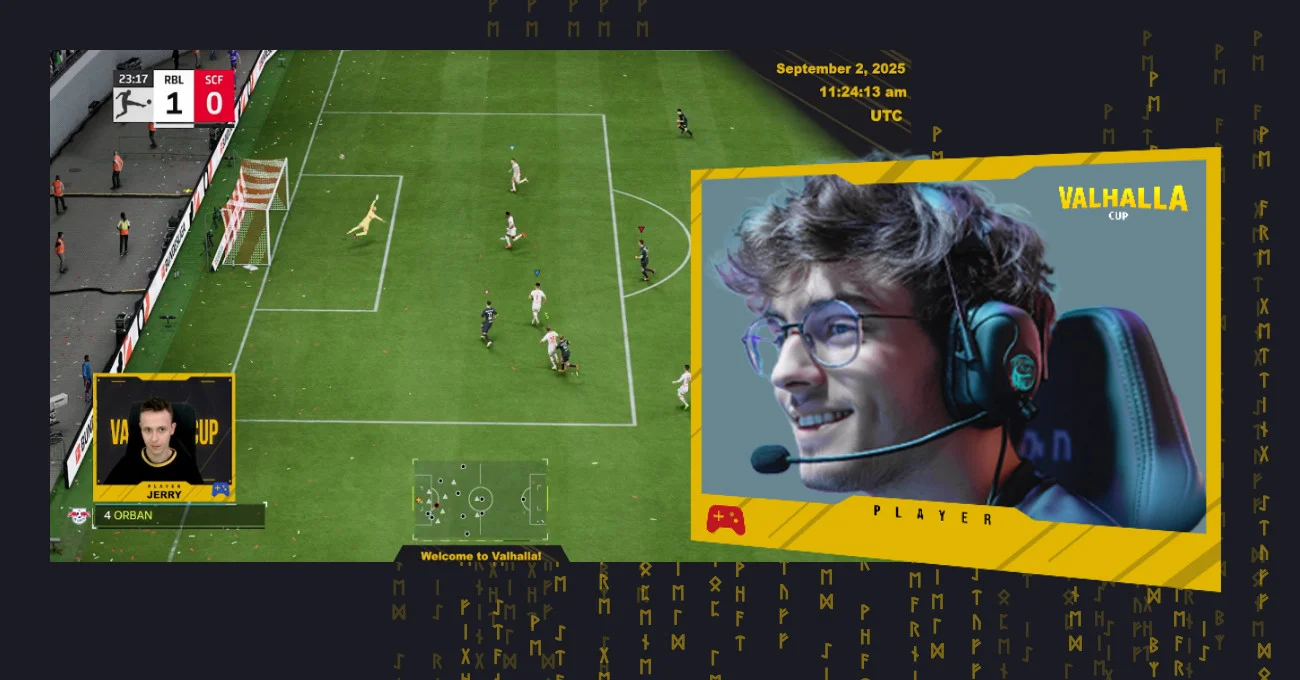
For those wanting a more traditional match experience, Oddin.gg also offers eFootball, where fast-paced, electronically simulated games occur frequently throughout the day. This concept expands to other sports as well, with eBasketball, eCricket, and eTouchdown providing parallel experiences whenever traditional sports fall silent.
Expanding the betting landscape even further, esports offers a continuous stream of opportunities. Numerous titles host their own seasons and tournaments, ensuring that something is always available for bettors year-round. During quieter periods, studio formats like Oddin.gg’s Counter-Strike 2 Duels and Dota 2 Duels maintain a steady flow of betting markets, safeguarding operator revenue against fluctuations in traditional sports seasons.
The esports audience tends to skew toward younger generations, which does not heavily overlap with traditional sports fans. This diversification creates opportunities for operators to expand revenue streams and maintain consistent engagement, irrespective of the football calendar.
As sportsbooks analyze the impact of World Cup betting, the next few months are critical for retention. If past research is any indicator, many of these new bettors will continue to wager, with their next moves largely determined by the offerings available to them.
Operators that cater to this trend by providing content that mirrors the familiar experience of the World Cup—fast, engaging, and available year-round—can convert an influx of new customers into long-lasting revenue.

