
As the World Cup draw to a close, sportsbooks are left pondering the behavior of the new bettors they attracted during the tournament. Many of these customers were first-time depositors, engaging primarily to bet on the matches and participate in the excitement of the games. However, with the tournament over, they now face a range of mid-season sports and unfamiliar competitions on their betting apps. The unique betting experience that lured them in has seemingly vanished along with the final whistle.
The future actions of these bettors present a critical question for sportsbook operators. Total wagers for this World Cup are projected to surpass $50 billion, an increase from $35 billion in Qatar 2022. This surge marks the largest influx of new customers the industry has ever seen. Each new customer has an associated acquisition cost, which includes bonuses and promotional spending. For sportsbooks, profitability hinges on each customer continuing to wager beyond the initial engagement period.
Research from the UK Gambling Commission provides insight into post-tournament betting behavior. Following the 2022 World Cup final, the Commission tracked around 100 bettors who had not placed a football bet in the previous year. Among these newer bettors, approximately 70% continued to wager three months later, although fewer than half maintained interest in traditional sports; many shifted to other gambling products.
This indicates a sustained desire to bet among new customers, which can lead to multiple outcomes. The initial excitement they bring often lasts beyond the end of the tournament, so sportsbooks must capture this interest effectively. Interestingly, overall betting activity remained stable and even increased slightly after the World Cup, despite a notable drop in football-related wagers. This suggests that these new customers are seeking alternative betting experiences beyond what was previously offered.
For sportsbook operators, retaining these customers requires addressing two core areas. First, customers responding to reactivation emails and promotions need to see content they recognize and appreciate. Many current betting boards cater to a sports-focused audience, meaning new customers might not find familiar or enticing options after the World Cup excitement fades.
To maintain interest, sportsbooks should provide content that aligns with customer needs: fast, familiar, and accessible year-round. One innovative solution is Oddin.gg’s Penalty Arena, which focuses on the excitement of penalty kicks. This product offers continuous betting opportunities with quick outcomes, keeping the thrill of football alive without requiring bettors to engage deeply with statistics or extensive match data.
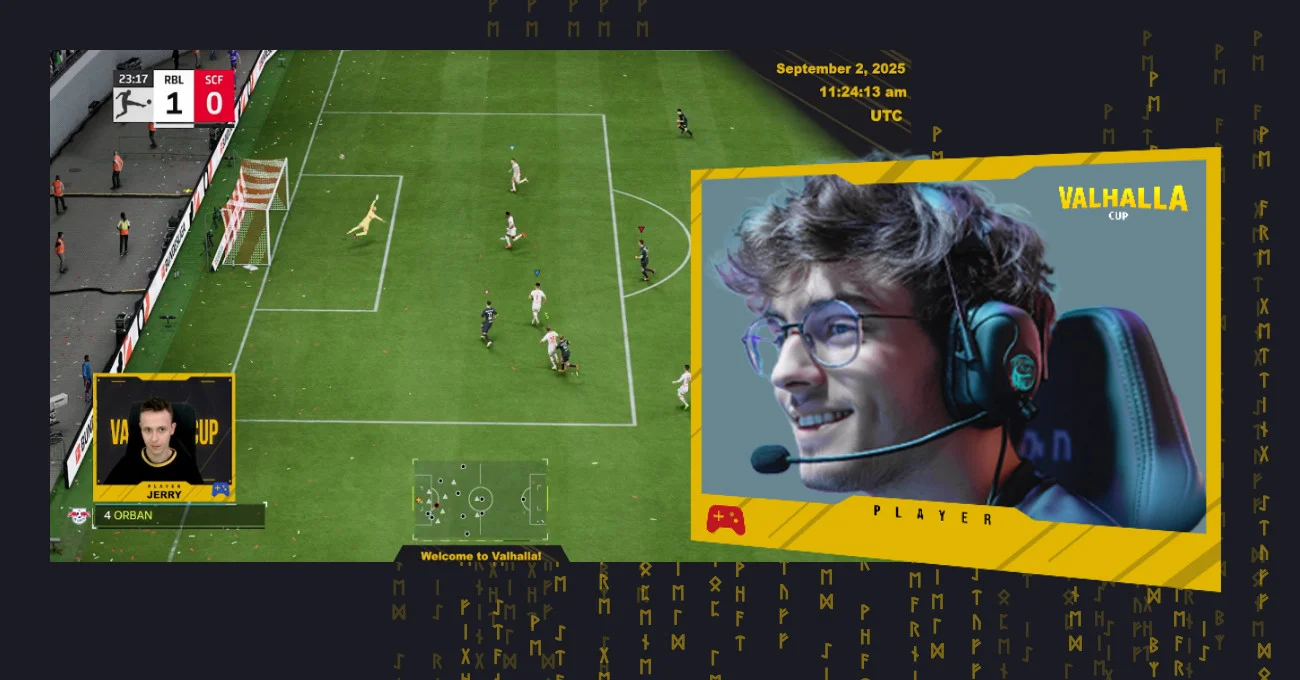
For those who prefer more comprehensive gameplay, Oddin.gg's eFootball features rapid electronic matches that start every few minutes, keeping action available around the clock. This model applies to other less active sports as well, ensuring that even during downtime in traditional sports, there is constant engagement available for bettors.
Esports represents another significant area for growth, operating independently of traditional sports calendars. Numerous titles have ongoing seasons and tournaments, ensuring a steady stream of live betting opportunities. The esports audience mostly consists of Millennials and Gen Z, offering sportsbooks a chance to diversify their revenue streams and appeal to demographics that may not typically engage with conventional sports betting.
Overall, as sportsbooks evaluate the impact of the recent World Cup, they need to consider how to retain customers by providing engaging and familiar betting options. If they can align their offerings to meet the needs of what these new bettors expect and enjoy, the influx of new customers from the tournament can transform into lasting relationships and revenue streams.

