
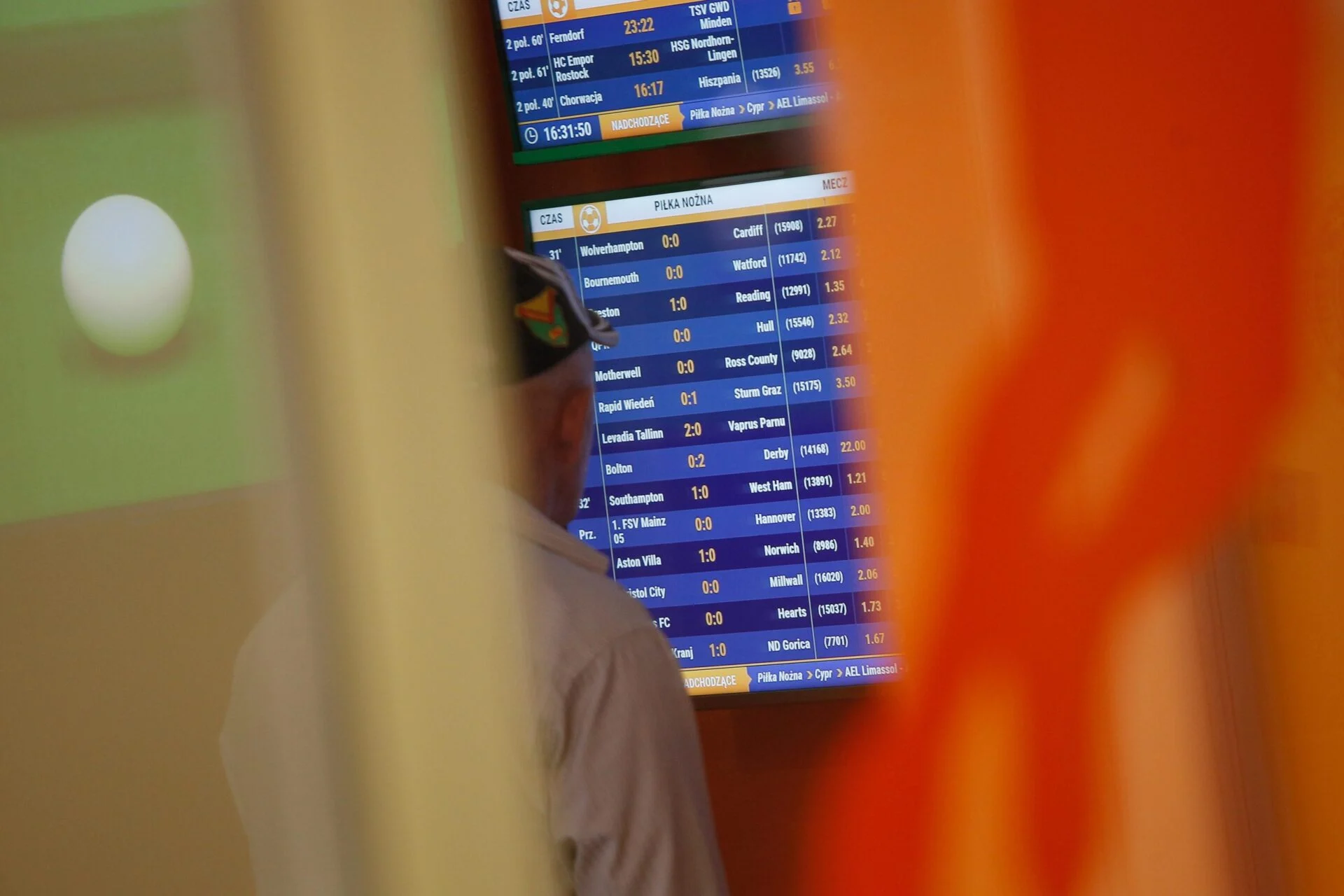
Europe's gambling industry has faced increasing concern over tax increases recently, with Britain and the Netherlands highlighting how quickly market dynamics can change. Poland, a country accustomed to stringent tax obligations, epitomizes this struggle. For the past 17 years, it has contended with one of Europe’s most challenging tax systems.
In a landscape otherwise regarded as dynamic, managing tax burdens emerges as a pivotal issue for operators, who find themselves in a difficult situation. While the short-term environment for the gambling market is fraught with challenges, the long-term potential in one of Europe’s fastest-growing economies remains enticing.
For gambling operators, Poland’s regulatory framework is particularly complex, shaped by the fallout from a significant political scandal in 2009 known as ‘Blackjack-gate.’ This scandal forced several high-ranking officials from Prime Minister Donald Tusk's government to resign over corruption allegations linked to industry lobbyists’ influence on gambling tax policies.
The Gambling Act of 2009 imposed a harsh 12% turnover tax on sports betting operators and a 50% Gross Gaming Revenue (GGR) tax on casinos. Players, too, face taxation, as a 10% winnings tax is taken directly from their payouts by operators. In terms of licensing, land-based casinos must obtain licenses, while online casino operations have been under the control of the state-owned entity Totalizator Sportowy since 2017. This entity enjoys a monopoly over online casino games and land-based slot machines, although private operators are permitted to conduct online sports betting under a licensing arrangement. Notably, recent reforms also included measures to compel payment service providers to block transactions related to illegal gambling sites, though the effectiveness of this enforcement remains contested.
Two key arguments resonate among licensed sports betting operators: the prevailing taxes are excessively high and create market distortions. Myke Foster, the Group Head of Gaming at Fortuna Entertainment Group, argues that the turnover tax is bad for customers. He stated, "Turnover tax is aggressively anti-customer and always will be. It prevents us from offering as fun and as engaging of a product as we’d like to."
Foster believes players may not fully grasp how much the turnover tax influences their options. Due to the unpredictable nature of the tax, operators often seek higher profit margins, making their product less competitive. This interpretation mirrors market data; according to H2 Gambling Capital, Poland's total sports betting GGR was projected to reach €1.62 billion in 2026, drawing from a gross turnover of €5.07 billion—a margin significantly above industry averages elsewhere.
Ed Birkin, managing director at H2 Gambling Capital, explains that because the first 12% of turnover is consumed by taxes, firms must operate with higher margins to cover these costs, ultimately diminishing competitiveness against illegal operators.
Hermann Miller, Secretary General of the European Casino Association, shared that it's challenging to navigate Poland's tax framework without sacrificing the quality of the online player experience. He remarked on the ineffectiveness of high turnover taxes in stimulating interest in the market, drawing parallels to Germany's gaming landscape, where similar restrictions deter potential operators.
Poland’s tax system has drawn political scrutiny, with discussions concerning a possible transition to a GGR-based taxation model gaining traction. In 2021, economist and former finance minister Konrad Raczkowski suggested shifting from the 12% turnover tax to a 20-25% GGR rate, aligning closer with European averages. Such a change would, however, likely halve tax revenues based on projected 2026 figures.
While some believe adopting a GGR approach would stimulate market growth and encourage compliance among operators, Birkin warns that simplifying taxes might lessen overall revenues. He emphasized the need for a balanced approach to both taxation and market compliance, noting, "Tax should never be the primary motive of regulatory policy."
Despite heavy taxation, Poland's gambling market has shown signs of resilience, with projections indicating a rise to $4.96 billion in GGR by 2026. This growth may provide political leaders with justification for maintaining the status quo amid broader economic development, although many suspect that higher growth rates could emerge under a GGR system.
Estimates indicate that the online betting channelisation in Poland reaches 78-88%, with considerably lower figures for online casinos, ranging around 59%. The market for unregulated gambling has reportedly doubled in size from 2017 to 2025, representing lost potential tax revenues for the state.
Call for regulatory change exists, particularly as consumer demand grows. Foster pointed out that customers are aware of unregulated alternatives, urging policymakers to acknowledge that the present state monopoly may not serve consumers well. He argued for operators being allowed to provide regulated online casino products, claiming this would mitigate the risks associated with unregulated markets.
The topic of reform is closely tied to the political landscape in Poland, especially with the upcoming 2027 parliamentary elections. The major parties seem hesitant to champion industry interests, with significant past legislative changes—like the 2025 proposal to raise player winnings tax—reflecting a cautious approach.
Potential reform advocates, like the hard-right Confederation party, have positioned themselves against monopolistic practices and excessive taxation. However, without a significant uptick in public support, substantial legislative changes seem unlikely on the horizon.
Political tensions concerning gambling regulation are compounded by more urgent national issues, often overshadowing the need for reform. Nevertheless, there are proponents who believe that successful liberalization efforts in neighboring Finland could spur changes in Poland. Foster and others express hope that a thriving market in Finland might steer Polish regulators toward recognizing opportunities in revamping their systems.
Despite the reluctance observed in Polish policies regarding state-owned gambling, the ongoing growth of the black market exerts pressure on the government to consider reforms. Foster concluded, "Accepting that these businesses want to generate revenue and invest in your country is crucial. It’s time for the state to acknowledge that this market is too large to control internally.

