
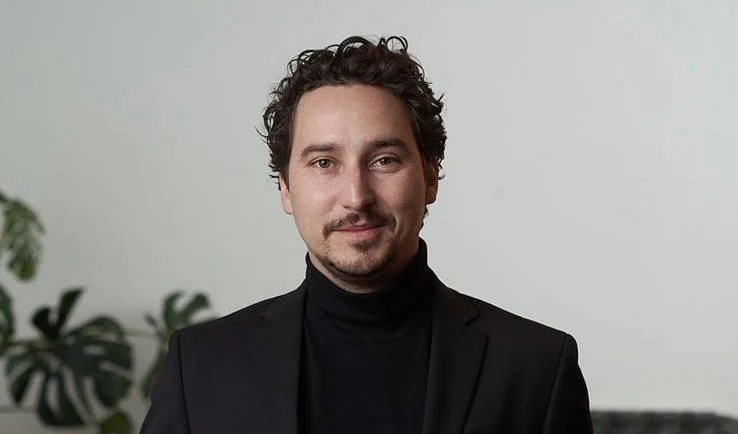
Niklas Sattler, a former executive at Casinos Austria, has spent the last five years planning to disrupt Austria’s stagnant land-based casino market through his company, Alea Trust. He has recruited over 40 seasoned managers from Casinos Austria and other international gaming firms, creating a strong team to challenge the long-standing dominance of his former employer in the upcoming land-based casino license tender.
Sattler expressed his dissatisfaction with the outdated image of the industry, stating, "This old-school image of the industry – I don’t like that. So I said, let’s refresh the industry and let’s jump inside the tender. Let’s do it ourselves."
With the advent of Austria's first major casino tender in years, Sattler sees an opportunity for a new approach in the aging sector. His team aims to introduce modern practices, focusing on areas such as anti-money laundering, responsible gambling, finance, and operational efficiency.
"Casinos Austria has a track record as a company, but they’ve lost a lot of expertise over the years," he noted. Sattler's vision is to rejuvenate the industry and enhance its image.
However, the structure of the proposed 13 new casino licenses is crucial for any new bids. Sattler is concerned that the process might favor existing operators like Casinos Austria, which has controlled the market for decades.
Currently, Casinos Austria holds two packages of 15-year licenses: one for six cities and another for six tourist-centered locations. A draft bill by Austria’s coalition government in June proposed significant gambling reforms, including an accessible online gaming market and 13 new casino licenses, which could be grouped into packages intended to maximize coverage and minimize aggressive competition.
The Finance Ministry stated that decisions regarding license locations would be based on a comprehensive study examining factors like demographic conditions and tourism potential, with the intention of keeping applications open to all market entrants.
Sattler argues for individual licenses rather than packages, believing that such a method would democratize the bidding process. "Let’s make 13 single licenses," he suggested, allowing smaller entities to apply individually. In contrast, Casinos Austria has advocated for maintaining the package system, arguing it ensures adequate coverage while limiting competitive pressure that might lead to irresponsible gaming practices.
"Only a carefully designed package solution can guarantee all of this," stated Casinos Austria spokesperson Patrick Minar, emphasizing that individual tenders could lead to "cherry-picking" among the most lucrative locations.
Uncertainty remains around the future of the tender process, especially with the mention of packages in the law possibly skewing favor towards incumbents. Nicole Daniel, a legal expert, explained that while the new law strengthens the legal basis for packaging licenses, it doesn’t eliminate potential biases against new entrants.

