
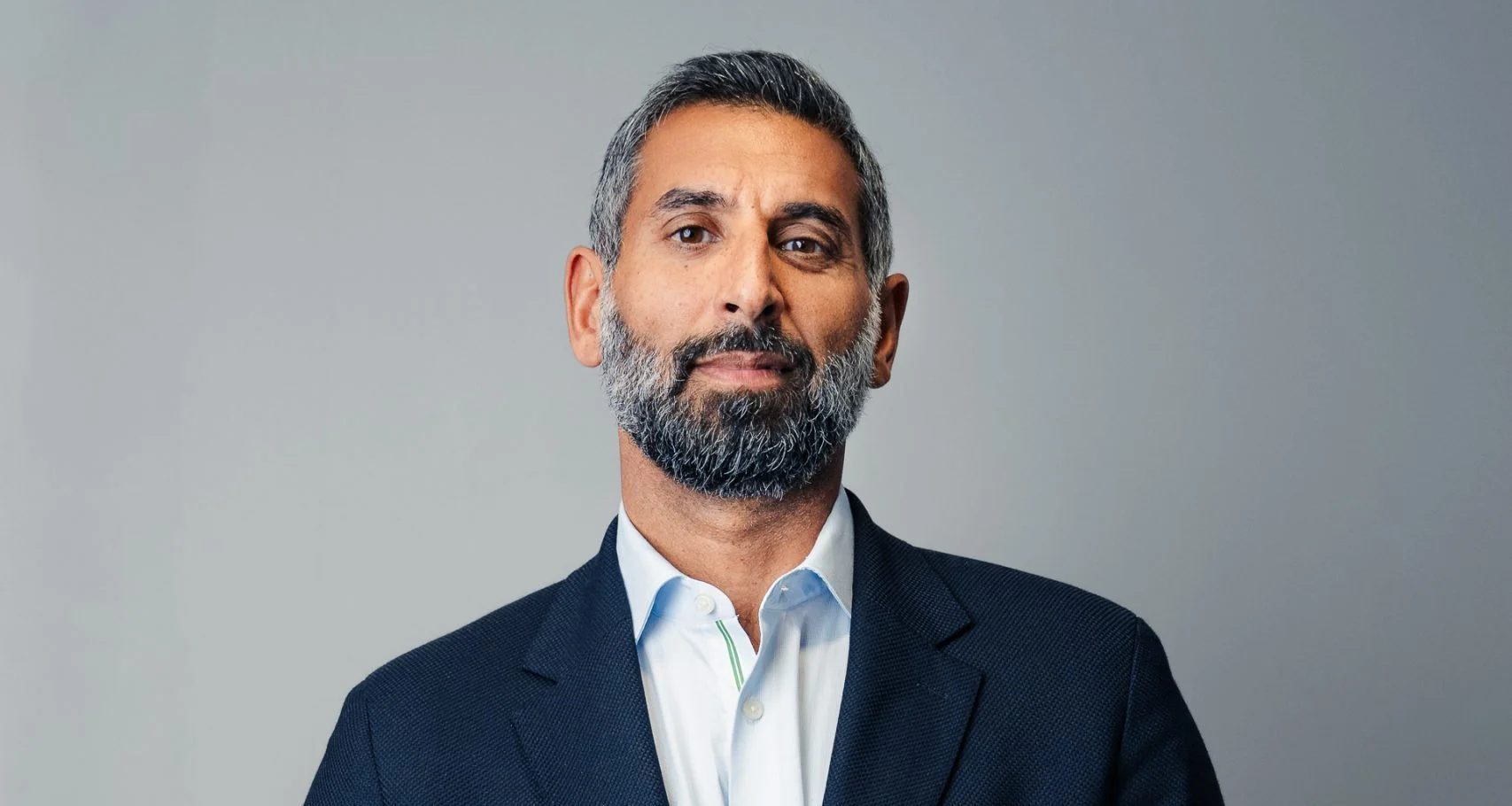
Khalid Ali, the chief executive of the International Betting Integrity Association (IBIA), highlights that the factors driving betting-related match-fixing are not limited to Africa. The IBIA notes that criminals exploit similar vulnerabilities across the globe, including insufficient governance, financial instability, a lack of integrity education, and poor reporting systems.
However, what distinguishes Africa is the rapid development of its regulated betting market and the varying levels of regulatory maturity among different regions. This growth is detailed in the IBIA’s 2025 Sports Betting Integrity Report, which, drawing on data from H2 Gambling Capital, forecasts that Africa's gross gambling revenue will surge from $3.5 billion in 2021 to $19.4 billion by 2030. A significant portion of this expansion is anticipated to come from online betting, projected to reach $16.4 billion, with $13 billion of that, or 79%, expected to be generated onshore.
For Ali, this upward trend is not merely a challenge to mitigate but a potential opportunity. "That growth presents an opportunity as much as a challenge," he stated. "Digital, account-based betting generates valuable intelligence that licensed operators can use to identify suspicious activity before it escalates.
Football remains the primary focus of betting in Africa. Ali pointed out that roughly 90% of the football alerts recorded by IBIA globally involve customer accounts situated outside the jurisdictions of the sporting events in question. This highlights the necessity of a comprehensive approach to address integrity threats, which cannot be managed solely on a national scale. The IBIA adopts a strategy that combines global monitoring with local partnerships to efficiently share data about suspicious betting patterns with the relevant authorities.
When analyzing the number of alerts, Ali cautions against misinterpreting the figures. "It is impossible, and potentially misleading, to conclude that more alerts automatically mean more match-fixing," he explained. From 2021 to 2025, the IBIA reported 117 alerts linked to African sports, including 31 in 2025, when Africa represented approximately 10% of global alerts.
In the first half of 2026, 17 alerts were recorded, which Ali views as indicative of continuity rather than a significant increase. He attributes the alert numbers to several factors, including the growing betting activity, more Africa-facing operators joining international integrity monitoring networks, and the rise in regulated online betting that generates account-level data for analysis. Increased monitoring enhances the detection of suspicious patterns that may have previously gone unnoticed.
He emphasizes a critical distinction: "An alert should therefore be viewed as an intelligence output requiring further investigation, not as proof that manipulation has occurred." Ali further notes that the rise in alert numbers can reflect improvements in integrity systems.
Football and tennis accounted for most alerts related to African events from 2021 to 2025. When asked if this concentration indicates a problem or merely reflects monitoring capabilities, Ali suggested it is more about detection. "The data shows where suspicious activity is being detected rather than where manipulation is definitively concentrated," he stated. He clarified that an alert signals that suspicious betting has been identified and prompts further investigation.
IBIA's data often indicates that betting related to flagged matches is frequently conducted outside the country where those matches are held. "Betting integrity is also increasingly international," Ali noted, explaining that alerts tied to African events might involve betting activities initiated from Europe, Asia, or elsewhere. This international perspective underscores the importance of global monitoring.
Some African sports federations have opted to restrict betting on domestic competitions due to integrity concerns. Ali acknowledges the rationale but questions whether such restrictions effectively eliminate betting or merely redirect it to less regulated markets where transparency is lacking. "Licensed operators know their customers, monitor account activity, and can report suspicious betting through recognized integrity frameworks," he pointed out.
Ali asserted that IBIA views well-regulated markets as vital to achieving strong integrity outcomes. Such markets maximize visibility and enable the quick detection and analysis of suspicious activities, which can be shared with relevant bodies.
Currently, Ali believes the challenge lies not in identifying suspicious betting actions but in how the system responds to these alerts. "An alert is the beginning of an investigation, not the end of one," he emphasized. The effectiveness of investigations depends on several components of the integrity ecosystem, including the capabilities of regulators, law enforcement, and sports governing bodies, and their ability to collaborate and act on the intelligence provided.
Ali indicated that the complexity of international betting often complicates matters, as an alert could involve customer accounts and evidence from different jurisdictions. Cooperation and information sharing between countries are essential for effective investigations.
To bridge the gap between detection and enforcement, Ali suggested strengthening legal frameworks, enhancing cross-border information sharing, and investing in specialized investigative capacities. While technology has improved the ability to spot suspicious betting activity, he stressed the need for investigative measures to keep pace.
Ali also highlighted the successful partnership between IBIA and the African iGaming Alliance, which fosters collaboration among regulators, operators, and policymakers across over twenty African jurisdictions. This partnership aims to share integrity expertise more effectively, acknowledging the diversity of the African betting market.
Looking ahead, he expressed a desire to integrate integrity considerations into licensing and regulatory processes across the continent. Despite some progress, many areas still lack established protocols for reporting suspicious betting and recognized integrity monitoring systems. Ali cited Ontario and Alberta as exemplary models where licensed operators are mandated to adhere to formal integrity monitoring structures and promote inter-agency cooperation.
He believes the evolving nature of Africa's regulated markets presents an ideal opportunity to incorporate these integrity measures from the outset, rather than adding them later. This proactive approach could bolster long-term confidence in both sport and regulated betting.

