
In early June, Allwyn, the retailer for the UK national lottery, announced its partnership with Scoot, a rapid delivery service that brings shopping directly to customers' homes. This collaborative effort is not entirely new; UK lottery operators have been offering similar delivery services through established retailers like Tesco and Morrisons for some time now.
Both retailers and lottery operators have been proactive about ensuring that underage customers are not able to purchase lottery products. Drivers employed by these services undergo training focused on recognizing underage and at-risk customers. However, this safeguards only extend so far, as gig economy drivers operate under different conditions.
Gig economy drivers, who work as self-employed individuals, face significant challenges in their roles, including low pay and high operational costs, such as insurance and fuel. This often leads to mistakes, like delivering packages to incorrect addresses. These drivers typically juggle multiple delivery apps to maximize their earnings, creating a reality where repeat deliveries to the same customer are rare.
An Allwyn spokesperson clarified that while all drivers receive training, responsibility ultimately lies with the retailer when it comes to ensuring compliance during deliveries. For example, Scoot employs third-party drivers, lacking the employer-employee relationship that might facilitate more direct oversight. This dynamic raises concerns about the gig economy structure, where drivers may not notice behavioral patterns among customers due to the nature of their work, which prioritizes speed.
Moreover, these drivers do not have access to information about the specific products they are delivering. For security reasons, retailers actively limit this visibility, often sealing delivery bags to keep contents secure and undisclosed until they reach the customer. While drivers may know if the package contains an age-restricted item, beyond that, they are not privy to details that could help gauge the risk of underage sales.
Underlining the retailer's responsibility, the spokesperson noted that only they have comprehensive access to order data, enabling them to monitor customer behavior effectively, akin to traditional store management. They emphasize the importance of implementing safeguards during delivery operations, ensuring the promotion of responsible gambling practices remains with the retailers holding the National Lottery Retailer Agreement.
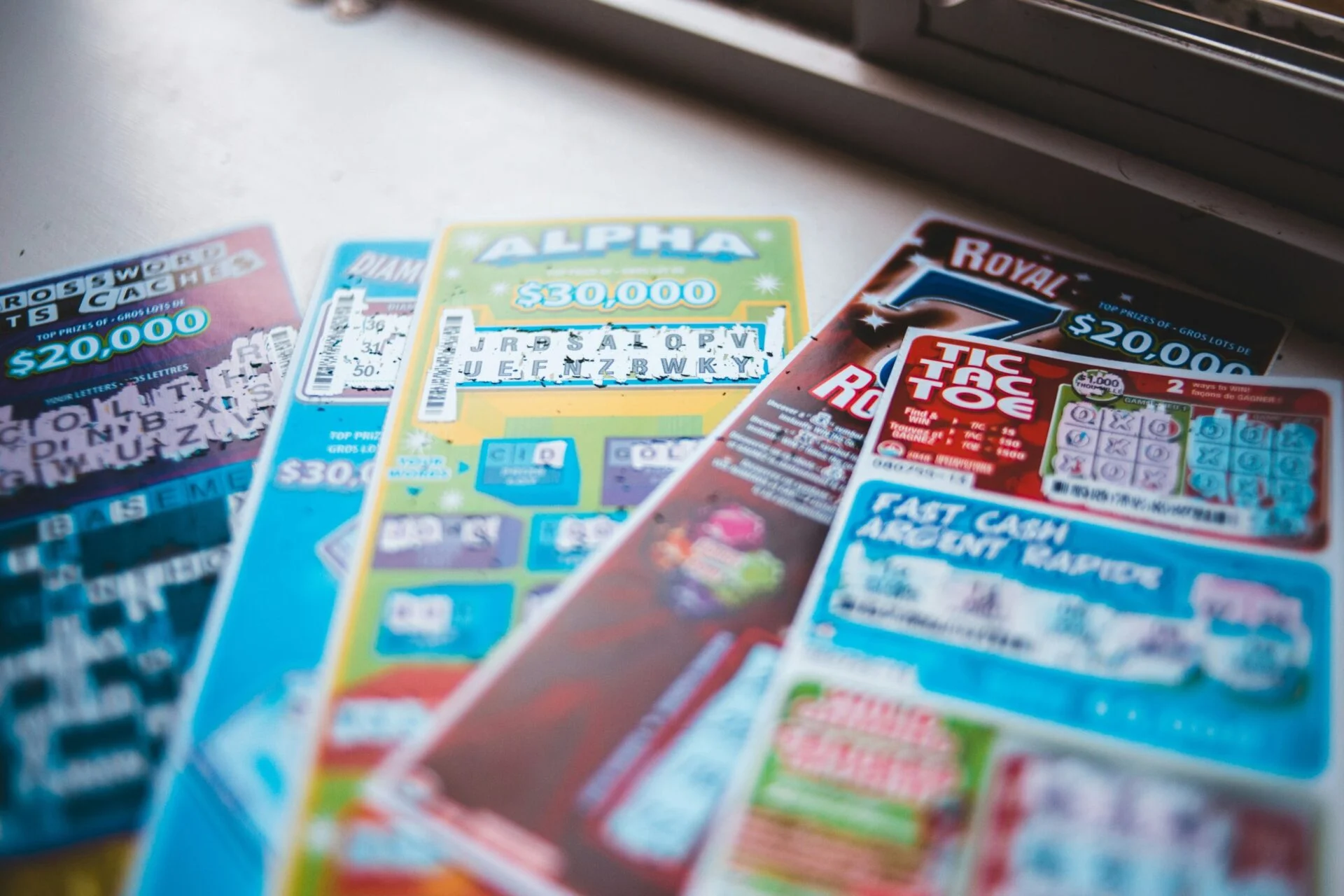
Scratchcard sales are particularly noteworthy, as they represent a growing segment within the UK market. Customers are restricted to purchasing only ten scratchcards per transaction, a measure designed to control the frequency and volume of sales. While past insights from the previous lottery operator maintained that nearly every UK household is within a mile of a lottery retailer, Allwyn's initiatives ensure that geographical barriers to purchasing scratchcards are minimized. However, at present, sales via delivery platforms account for just 0.5% of the total UK scratchcard sales.
Research connecting scratchcard purchases to problematic gambling is limited, but the Gambling Commission conducted a study released in 2025 indicating that scratchcards had a lower Problem Gambling Severity Index (PGSI) score, suggesting minimal risk for most players. That said, non-National Lottery scratchcards scored higher on the PGSI, highlighting the potential for harm in these formats. Allwyn is committed to a proactive approach regarding responsible play, initiating thorough game design processes for scratchcards to minimize risk and avoid appealing to vulnerable groups.
Every new scratchcard undergoes rigorous assessments to ensure its safety, as validated by independent tools like Gamgard and ASTERIG. Any game that fails to meet safety standards will not be released to the public.
Despite the similarities between scratchcards and slot machines, the research indicates differences in addiction potential. Dr. Michael Auer, a co-host of the Addiction: An Hour With Auer podcast, explained that while scratchcards and lottery draws are often studied together, scratchcards feature higher event frequencies that can correlate with increased gambling risks.
Allwyn's commitment to responsible gaming is further illustrated by their measure allowing delivery through home delivery platforms, where consumer details are collected for monitoring potential excessive play. The ten-scratchcard cap per transaction helps mitigate player risk, supplemented by the time needed for in-person transactions to claim prizes, providing natural breaks in play.
Concerns remain about third-party providers involved in the process. While Allwyn has engaged constructively in discussions, the transparency and accountability of gig economy drivers, who deliver these products without a vested interest in player safety, pose inherent risks. With the growing trend of instant delivery services, the convenience enjoyed by customers could inadvertently compromise safety standards.
Tragic stories highlight the potential dangers of unrestricted access through delivery services. For instance, a heartbreaking case emerged involving a woman who succumbed to her alcohol dependency largely due to the ease of access provided by delivery apps. Despite companies touting robust safety protocols, these measures can falter without consistent enforcement and oversight.
The interconnectedness of the gambling industry means that when third-party services become intermediaries, the integrity of safeguards rests upon multiple layers of responsibility. Each link in this chain can introduce vulnerabilities, echoing the sentiment that systems are only as strong as their weakest point.

