
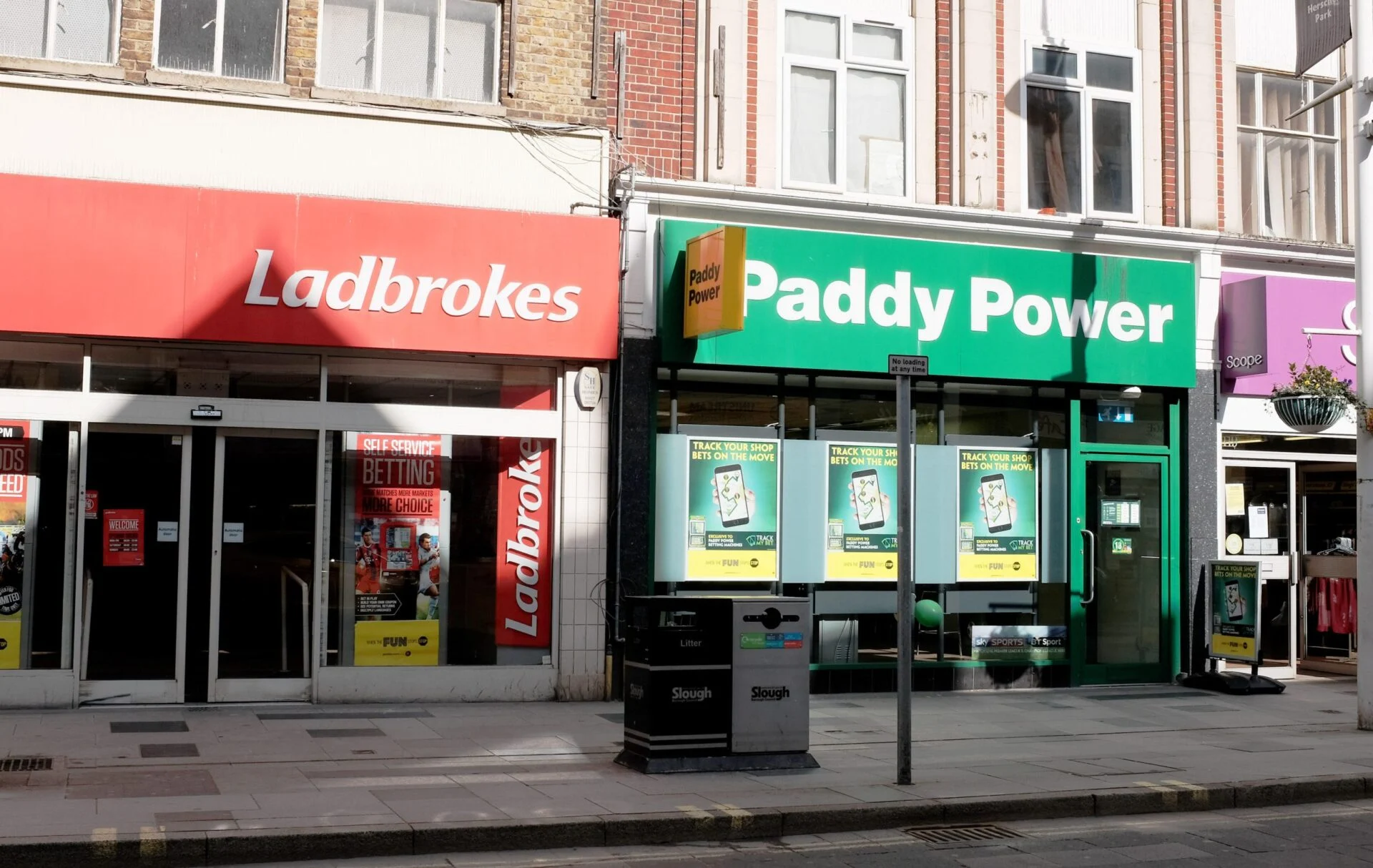
The gambling industry has reacted strongly to Prime Minister Andy Burnham's characterization of betting shops as comparable to vaping stores and other dubious businesses that contribute to the deterioration of Britain's high streets.
Burnham's administration aims to eliminate the "aim to permit" principle from the Gambling Act 2005, thereby granting local authorities increased authority to refuse applications for new gambling establishments, including adult gaming centres, which will now require planning permission.
However, it was Burnham's wording that sparked the most outrage. He argued that betting and vape shops have supplanted the retail options that people truly desire, and framed the initiative as a way to curb what he termed "dodgy businesses."
Bookmakers quickly refuted this narrative, asserting that it does not reflect reality. The number of betting shops in the UK has dwindled to fewer than 5,900, down from around 9,000 in 2015, indicating that the retail sector has been decreasing over the last decade, rather than expanding unchecked.
Greg Knight, chief executive of JenningsBet, pushed back against the derogatory comparison. He questioned Burnham's description of their business model, underscoring that JenningsBet provides employment for 40,000 people, supports the British horseracing industry, and contributes billions in taxes. "What sort of 'dodgy' business does all that?" he asked.
Knight also highlighted the disparity between political rhetoric and business realities, noting that while JenningsBet opened four shops this year, it also closed three, resulting in a net gain of just one. He warned that new openings could "grind to a halt" under increased local council discretion. Additionally, he pointed out the need for policymakers to distinguish between betting shops and adult gaming centres, which operate under different models.
The adult gaming centres (AGCs) are also defending their position. Alistair Gair, communications director at Bacta, noted that AGC numbers dropped from 1,610 in 2015 to 1,502 last year, suggesting a sector in decline rather than one overtaking the high streets. Gair emphasized the role AGCs play in occupying vacant units, providing employment, and offering regulated entertainment, arguing that restricting licensed venues could push consumers toward unregulated, illegal operations.
Some experts believe that simply closing these businesses won't address the challenge of high street vacancies. Christopher Snowdon, from the Institute of Economic Affairs, asserted that Burnham misidentified the effects of a shrinking retail economy as the cause of high-street decline. He pointed out that betting entities have become more visible due to lower demand and vacant units left by traditional retailers.
Snowdon argued that dismantling the few remaining viable businesses could further degrade high streets rather than revitalize them. He suggested that the structural changes in the retail sector—driven by factors like the rise of supermarkets and online shopping—are the primary cause of high street shrinkage.
Richard Harris, the chief executive of Rank, defended the role of his company's establishments as essential community assets that offer supervised gambling and safe entertainment. "We try and look after our customers really, really well," he stated, reflecting the sentiment that these venues hold value in their communities.
Some within the industry feel that stronger communication strategies are needed to combat this negative narrative. Patrick Jay, a prior executive at William Hill and now a consultant, noted that the gambling sector has been outmaneuvered politically. He stressed the importance of an active response to misinformation, particularly on social media, to counter the prevailing negative views surrounding the industry.
As these challenges unfold, Vicki Foxcroft, the newly appointed minister responsible for gambling, faces the daunting task of addressing an industry that feels maligned, with a prime minister who has framed the narrative and complicated legislative concerns ahead. The situation resembles an old joke about receiving directions in Ireland: "If I were you, I wouldn't start from here."

