
In the wake of the end of Covid restrictions and the collapse of the pre-pandemic junket system, Macau is facing a curious situation in its tourism sector. Authorities are eager to establish Macau as a global destination that relies less on gaming. However, the six gaming concessionaires, which largely drive the tourism landscape, seem to remain committed to high-end gaming, often neglecting other types of visitors.
To address this issue, Galaxy Entertainment Group chairman Francis Lui advocates for a "parallel strategy." This approach emphasizes the simultaneous development of premium gaming alongside non-gaming amenities. His leadership reflects a close alignment with Macau's governing authorities on this mission.
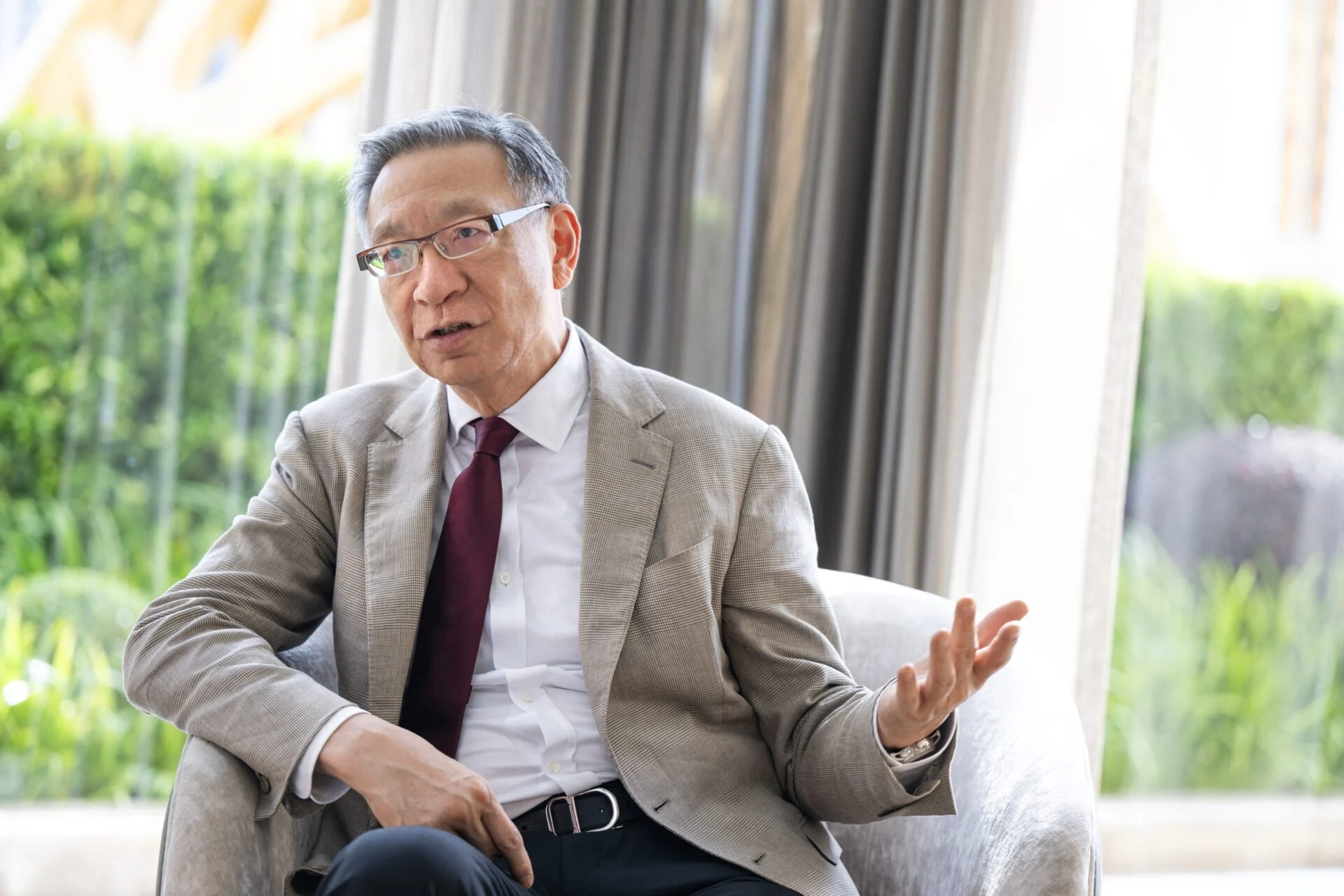
"The vision in Macau is that it has to be sustainable, and you don’t want to bet on just pure gaming," Lui stated in an interview. He emphasized Macau's unique position as the only location in China with legal casinos and highlighted what he described as the significant untapped market on the mainland. Lui expressed a commitment to understanding and supporting the government's initiatives in this evolving landscape.
As a prominent voice in Macau’s gaming industry, Lui interprets the government’s position as a call for evolution and social responsibility in gaming practices, ensuring that economic value is created.
Looking ahead, Lui identifies Galaxy Macau Phase 3 as a key development that aligns with governmental aspirations for Macau's future. "We sensed it a few years back and decided that Phase 3 is going to match that vision," he explained. The project includes the construction of a MICE (Meetings, Incentives, Conferences, Exhibitions) facility and a state-of-the-art arena to compete with regional counterparts like Hong Kong and Singapore.
The newly opened Galaxy International Convention Center and Galaxy Arena feature 10,000 square meters of pillar-free space equipped with the latest event technology. The Galaxy Arena is now Macau’s largest indoor venue, with a capacity of 16,000 and associated luxurious amenities.
To augment this development, Galaxy has also introduced two premium hotels, Raffles and Capella, in recognition of the changing preferences of its customer base, which increasingly demands a diversified experience. According to Lui, the move from a VIP-centric model towards a more balanced approach has been both a natural evolution and beneficial from a profit perspective.
With the completion of Phase 3, Galaxy Macau now offers 5,000 guest rooms across various brands, a vast array of dining options, a massive gaming area, and facilities like the Grand Resort Deck featuring the world’s largest rooftop wave pool and a shopping mall with over 200 stores. Galaxy consistently ranks either first or second in terms of gaming revenue in Macau, with a group EBITDA reaching over USD 1.8 billion last year, compared to USD 2.1 billion in 2019.
Continuing this growth, Phase 4 is set to debut next year, adding new luxury hotel brands, a 5,000-seat theater, and extensive retail and dining options, bringing the total investment for Galaxy Macau to HKD 100 billion (approximately USD 12.75 billion).
"From day one, we wanted to develop our land in four phases because we felt the clientele was evolving very fast," said Lui. This phased approach has allowed Galaxy to adapt to changing market dynamics over the years. Initially planned to include 2,000-2,500 hotel rooms in Phase 4, the strategy has adapted to now feature around 1,500 luxurious rooms, focusing on quality over quantity.
Lui recognizes the tension between creating high-end accommodations and achieving the government’s goal of establishing a tourist haven less reliant on gaming. He emphasizes the need for a hybrid approach that caters to both premium clients and family-oriented travelers.
The discussion around potential development extends beyond Macau, including Hengqin, an island designated as a special economic zone in Zhuhai, which Lui deems a viable option for future expansions despite recent setbacks involving land acquisitions.
"If Hengqin becomes more seamlessly connected to Macau for 24-hour visitor access, we can retain more guests overnight," he stated, showcasing his vision for a balanced strategy catering to various customer segments.
Lui's personal exploration of global trends has led him to seek inspiration from successful attractions in Vegas and London, believing that Macau must adopt innovative entertainment technologies to stay competitive and ensure sustainable growth. He reflects the importance of collective investment among concessionaires in developing large-scale attractions to accommodate projected visitor surges in the coming years.
Beyond Phase 4, Lui envisions further expansion for Galaxy, including ongoing renovations at StarWorld, which is shifting its focus from VIP to mass market. Additionally, he remains open to future developments involving Broadway in Macau.
Lui also highlights potential international opportunities, noting upcoming bids in Japan for integrated resort licenses and interests in the UAE. He asserts, "We believe in the China story. We believe in the Macau story. And this is why we don’t have any hesitation in investing in Macau long term. There’s not too many cities that have all the ingredients to build fully world-class integrated resorts."
Recently stepping into the role of chairman after the passing of his father, franchise founder Lui Che Woo, Francis Lui reflects on the responsibilities of leadership and the balance between ownership and management in guiding Galaxy's future. n
He encourages his children to pursue their own paths, including his son Andrew, who currently drives project development, and his daughter Joanna, who is balancing family life with her career.

