
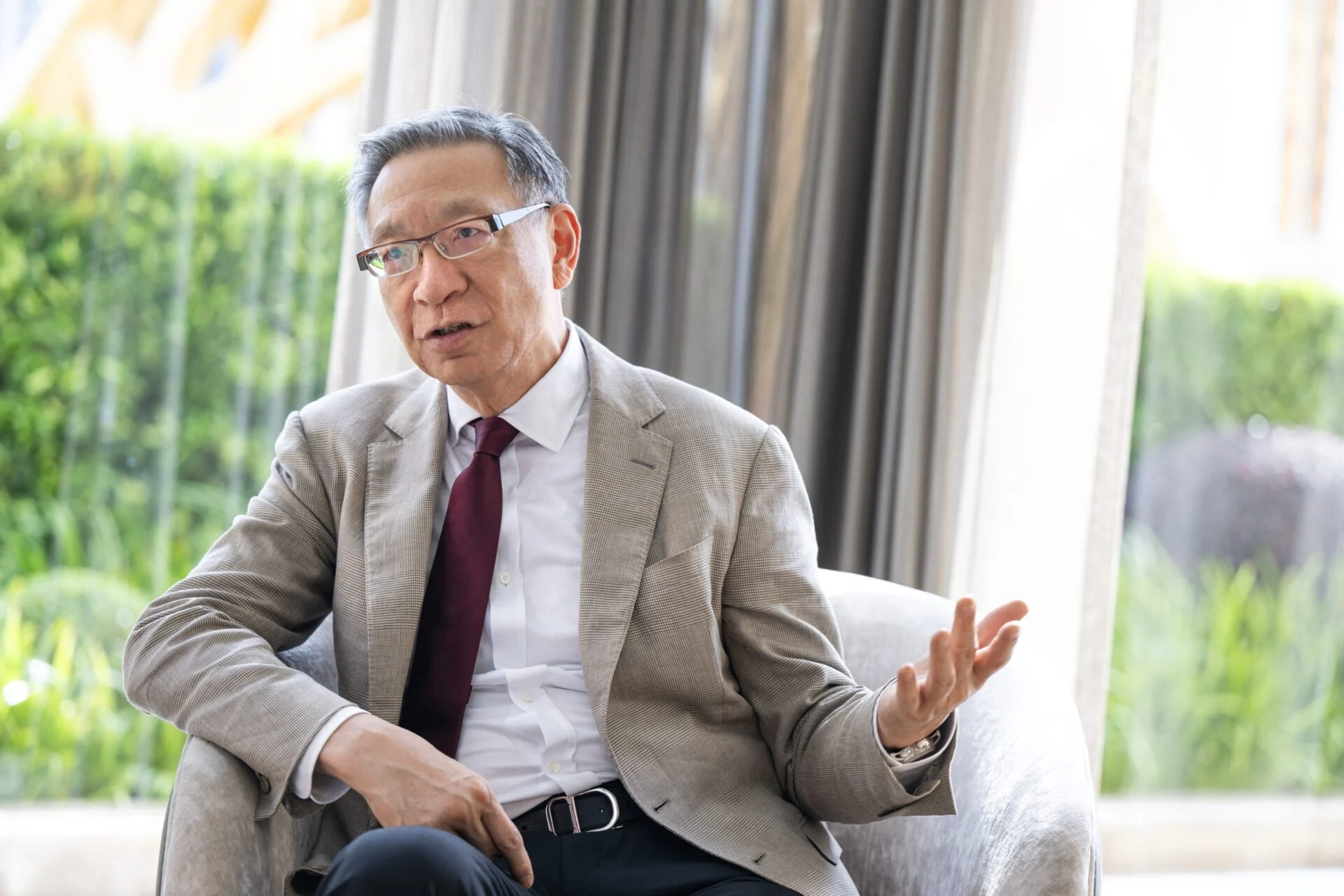
Macau tourism is undergoing a notable transformation as the region seeks to become a global destination less reliant on gaming. Francis Lui, chairman of Galaxy Entertainment Group, has introduced a "parallel strategy" to develop both premium gaming and non-gaming amenities separately. This approach aims to attract a broader range of visitors while satisfying the local government's vision for tourism in Macau.
In an exclusive interview, Lui expressed his views about Macau's unique opportunity as the sole location in China with legal casinos. He highlighted the potential of the mainland market, describing its under-penetration as significant. "We try to understand and support what the government wants us to do," he said, conceding that the gaming sector must evolve to meet social and economic responsibilities.
Galaxy Macau’s upcoming Phase 3 development is seen as aligning with the government's vision. "We sensed it a few years back and decided that Phase 3 would match that vision," Lui explained, pointing out that this phase includes the MICE and Galaxy Arena facilities, both designed to compete with attractions in nearby Hong Kong and Singapore. The Galaxy Arena, now open, boasts a capacity of 16,000, making it Macau's largest indoor venue, complemented by state-of-the-art event technology.
Apart from MICE facilities, Galaxy has added high-end hotels like Raffles and Capella, catering to an evolving customer base that seeks diverse experiences. Each hotel includes premium gaming areas and exclusive non-gaming amenities like high-end dining, bowling, golf simulators, and private salons.
Lui outlined the shift in their business model—moving from a VIP-centric approach in 2019 to a focus on a more sustainable model, despite maintaining comparable profit levels. With Phase 3, Galaxy Macau now features 5,000 guest rooms, extensive dining options, and a grand resort deck, consistently ranking among the top in gaming and profits within Macau.
Looking ahead to Phase 4, Lui intends to introduce additional luxury hotel brands, a massive theater, and further retail and food offerings, estimating total investment reaching HK$100 billion (US$12.75 billion). This phase will refine their focus on premium offerings, aligning with market trends.
Lui recognizes that while fewer luxury accommodations might seem contrary to the government’s vision of a tourist hub, a balanced approach will cater to both premium customers and encourage family and business travelers. He highlighted opportunities in Hengqin, an area with lower costs potentially serving as an extension of Macau, awaiting improved logistics and infrastructure.
He also shared insights from personal travels, emphasizing the importance of modern entertainment facilities. Lui noted the significance of technological experiences, mentioning his visits to facilities in Las Vegas and London that could draw tourists to Macau. He suggested that collaboration among gaming concessionaires might help develop these sought-after attractions.
Lui is optimistic about the future of Galaxy in Macau and other regions, revealing ongoing renovations at StarWorld and plans to explore new opportunities in Japan and Thailand. He pointed out Galaxy’s potential role in developing resorts in the UAE, leveraging its experience in building world-class integrated resorts.
Since becoming chairman in December 2024, following the passing of his father, Lui has emphasized long-term strategies amidst global uncertainties. He maintains that ownership and management are distinct responsibilities, encouraging a merit-based approach for the next generation.
Lui's children have taken on roles within Galaxy, with his son Andrew currently leading project development. "Many of the initiatives you see today are driven by Andrew," Lui stated, emphasizing a flexible approach to family involvement in the business. Despite being active in his role, he reiterated his view of chairmanship as a passion rather than a job, remaining dedicated to Galaxy's future and its contributions to Macau's tourism landscape.

