
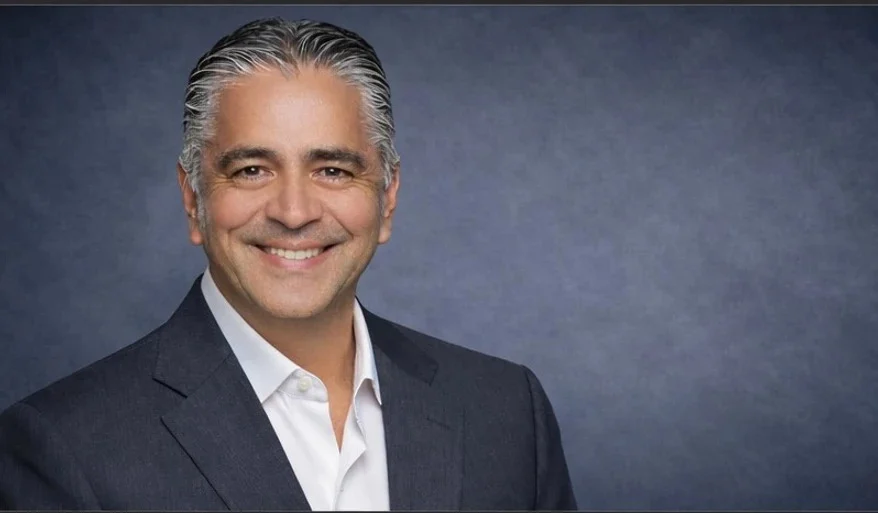
Alex W Pariente emphasizes the importance of regulatory stability for Brazil to regain investor confidence in its iGaming sector. With licenses expiring and ongoing disputes over Provisional Measure 1,394, he frames his analysis around seven key questions that must be addressed.
Pariente argues that legal certainty and the ability to enforce regulations are more critical than factors such as tax rates or advertising leniency. He asserts that Brazil possesses a solid legal and regulatory foundation, as well as skilled professionals, which can be leveraged to rejuvenate the sector. The primary challenge lies in maintaining existing structures while creating sustainable solutions that transform setbacks into new investment prospects.
As of October 25, Brazil's authorized betting market is defunct. The 85 licenses previously issued under Law 14.790, amounting to BRL2.55 billion ($476.2 million), have expired without reimbursement. Provisional Measure 1.394 remains active, but Congress has yet to form a committee to review it. A public hearing scheduled for November 3, featuring Minister Luiz Fux of the Supreme Federal Court (STF), will allow discussions with government representatives, associations, and clubs regarding requests for suspension.
Investors are currently observing Brazil's situation. In Pariente's experience, investment committees often hinge their evaluations on seven central questions:
1. **Will the liabilities from Provisional Measure 1,394 be resolved?** No leading operator will enter a market where BRL2.55 billion is still tied up in legal disputes involving former investors. Any future gaming model, whether online or land-based, must resolve these licensing and lawsuit issues first.
2. **Will the rules be established through law?** Structural changes made via legislation, complete with transitional measures and compensation frameworks, hold significant weight. For instance, Spain’s Supreme Court recently annulled advertising restrictions enacted by order due to the requirement for parliamentary approval.
3. **Will there be a regulator that operates independently?** The United Arab Emirates established its federal regulator in 2023, prior to issuing any licenses in 2024. Singapore also set up its regulatory framework before launching its resorts. While Brazil's Secretariat for Prizes and Bets has made considerable progress, the challenge remains in granting it the necessary technical authority and consistent governance.
4. **Does the concession model align with investment timeframes?** In Macau, concessions were renewed in 2022 for a decade with revised investment commitments, while Italy has offered online licenses for as long as nine years. Clear renewal periods and rules from the outset are essential for integrated resorts, considering the decision-to-opening cycle spans three to seven years in places like Singapore, Japan, and the UAE.
5. **Will the tax burden remain predictable?** In Colombia, an emergency decree established a 19% VAT on online gambling, but this was overturned by the Constitutional Court, which mandated the return of collected funds. Investors generally prefer stability in tax regulations over low, changeable rates.
6. **Can capital flow in and out safely?** Brazil has implemented a modern exchange rate framework since late 2022. Investors want assurance that this will apply uniformly across sectors, including dividend repatriation.
7. **Who will fulfill the ongoing demand?** Projections from H2 Gambling Capital suggest the unregulated market could expand from BRL17 billion to BRL42 billion. After banning online gambling targeting foreign markets, the Philippines enacted a law with severe penalties in 2025 to reinforce this ban. Any proposed model must detail how it will accommodate this rising demand and its regulatory costs.
These questions pertain to any potential model, whether liberal or restrictive, and underline the need for regulatory stability. Brazil already has some answers in place, such as a 2023 law, a regulatory body with established systems, and a knowledgeable workforce skilled in compliance and responsible gaming practices.
Pariente Advisory remains neutral on Brazil's future gaming direction. With the election concluded, the next steps will depend on institutional decisions. For external observers, the responses to these seven questions are likely to carry more weight than mere announcements. Positive answers could signal the dawn of a market in Brazil that is worthy of investment, especially as it faces the upcoming challenges of 2026.

