
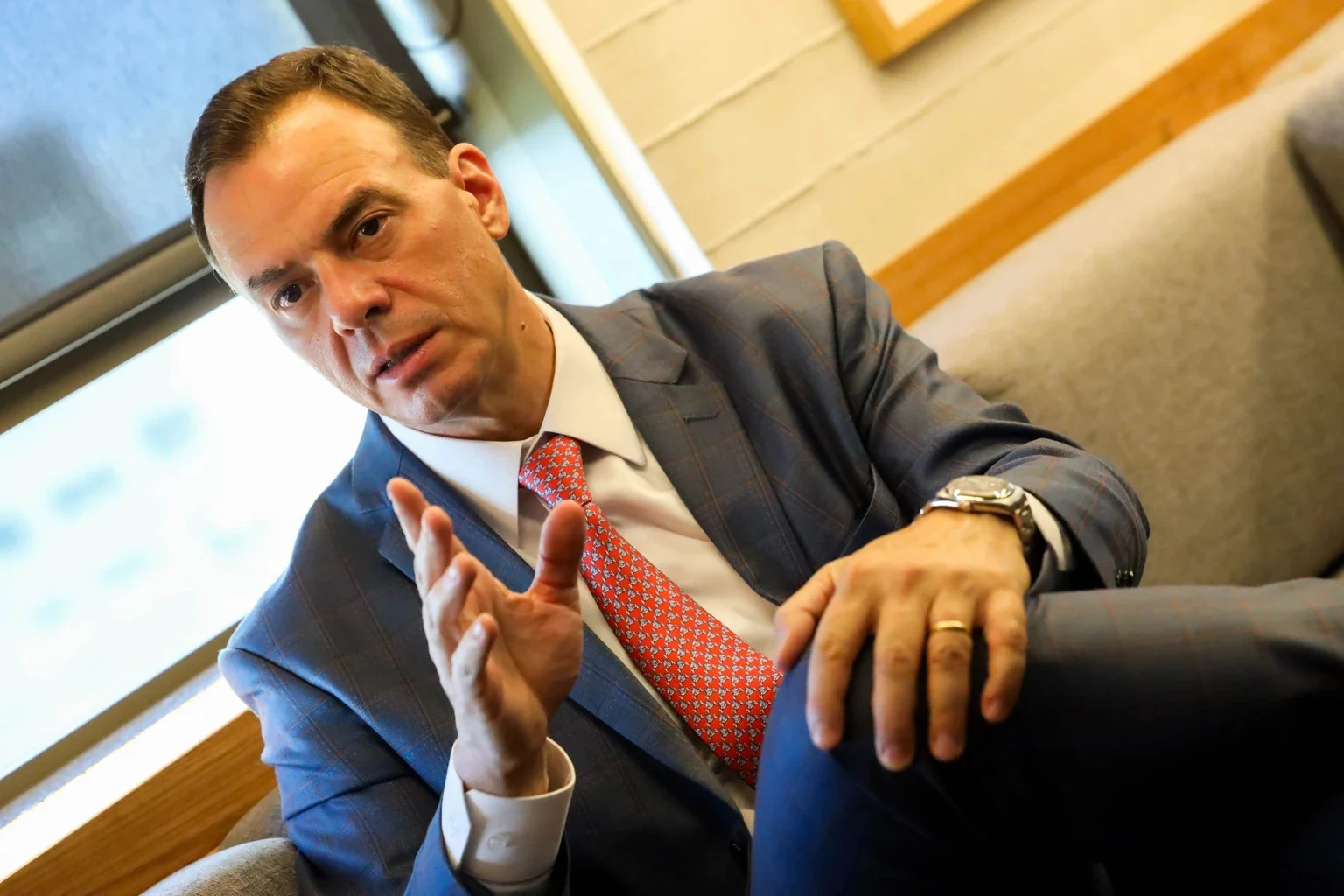
During a recent discussion, Plínio Lemos Jorge, the president of the National Association of Legal Gaming (ANJL), emphasized the remarkable growth of Brazil's betting industry, highlighted by a significant increase in revenue during the first five months of this year. He noted that revenue surged from BRL3.1 billion ($620 million) between January and May 2025 to BRL5.89 billion this year, underscoring the economic and social relevance of the legalized betting market. “This leap reflects the progress of the regulated sector, with benefits flowing back to society through tax contributions,” he stated.
Lemos Jorge suggested that the World Cup likely had a positive impact on June's figures, although those numbers have yet to be officially announced. “It was the first World Cup played with the Brazilian market already regulated. Football brought consumers closer to responsible entertainment platforms,” he pointed out.
He also remarked on the compliance of authorized operators, who adhered to strict regulations during the tournament. “The SPA reinforced requirements regarding integrity, advertising and communication prior to the competition,” he emphasized, highlighting the importance of these measures for the sustainability of the sector.
In his address, Lemos Jorge underscored the importance of in-person activations at bars and restaurants, along with initiatives that engage fans. “These initiatives helped digital brands create experiences beyond the screen,” he noted.
Regarding new federal advertising regulations, Lemos Jorge sees them as an essential safeguard for both bettors and operators, advocating for clearer and more responsible advertising within the industry. Yet, he criticized local bans on advertising in public places, arguing that such divergent regulations could lead to legislative confusion and create legal uncertainties for operators. “Divergent local rules could create legislative confusion and legal uncertainty for operators,” he asserted.
The second half of the year is expected to see increased political pressure on betting companies, particularly with upcoming elections. In light of this, Lemos Jorge stressed the need for the industry to remain resilient and dedicated to responsible gaming, predicting that once the political turbulence passes, the market will likely attract less criticism.
Illegal websites continue to be a major concern, and Lemos Jorge warned that these platforms could proliferate if regulations render the formal market unviable. “We cannot let our guard down,” he cautioned. He expressed optimism that the government recognizes the necessity of addressing this issue.
When asked to evaluate the sports betting and online gaming sector's performance in the first half of 2026, Lemos Jorge indicated that while official figures for June are pending, the data from January to May already reflects a significant rise in tax revenue, illuminating the sector's growth and the societal benefits it provides through its contributions.
As for the World Cup's influence on the revenue increase for fixed-odds betting operators, he acknowledged that while specific market figures for June are unavailable, the World Cup certainly had a substantial impact, given Brazil's passion for soccer. This was indeed the first World Cup under a regulated market, allowing fans to engage more deeply with the entertainment offered.
Lemos Jorge affirmed that all operators authorized by the Ministry of Finance have operated under stringent regulations, specifically mentioning Law No. 14.790/2023 and the guidelines issued by the Secretariat of Prizes and Bets (SPA). He noted that prior to the World Cup, the SPA reiterated its commitment to maintaining the integrity and responsibility of the sector through a Technical Note that outlined rules for advertising and marketing.
He highlighted successful physical activations by betting companies during the World Cup, which included partnerships with bars and the distribution of fan kits. These initiatives helped foster a closer connection between brands and consumers, creating engaging experiences beyond online platforms. He emphasized the importance of transparency, balance, and common sense in guiding the sector's actions, benefiting consumers and businesses alike.
On the subject of criticism regarding advertising, Lemos Jorge reflected that such concerns have prevailed since the market's regulation began, particularly from those viewing betting companies as threats to their business. He assured that any lapses identified during the World Cup would be addressed by relevant authorities, emphasizing that compliance with rules cannot be excused by ignorance.
The recent tightening of advertising regulations has been viewed positively by the ANJL, as it serves to bolster protections for bettors and operators alike. Lemos Jorge indicated that the new mandatory elements in advertising could enhance the safety and responsibility of the market.
He also described local advertising bans in cities like Rio de Janeiro and João Pessoa as problematic, claiming they contradict the federal government's exclusive jurisdiction over commercial advertising, as outlined in the Constitution. He warned that inconsistent advertising laws could lead to significant legislative confusion for operators.
Looking forward, Lemos Jorge advocated for a more unified self-regulation effort within the industry to foster better public understanding. He asserted that the self-regulation framework, developed collaboratively with other organizations, is thorough and easily comprehensible. The industry has adhered to responsible gaming messages similar to those implemented in other sectors.
As Brazil moves into a politically charged second half of the year, Lemos Jorge believes it is crucial for the industry to remain steadfast and committed to ethical gaming practices in the face of challenges. He remains hopeful that once the elections are resolved, the market will integrate more smoothly into the economy and society.
Finally, when discussing illegal websites, he confirmed that they still constitute a significant portion of Brazil's online betting market. Any proposed regulatory measures that threaten the viability of the legitimate market could lead to further growth in these illegal sites. Although there has been some reduction in their prevalence, the battle against them continues, and Lemos Jorge is encouraged that the government recognizes the significance of tackling this issue effectively, with efforts established in collaboration with regulatory agencies.

