
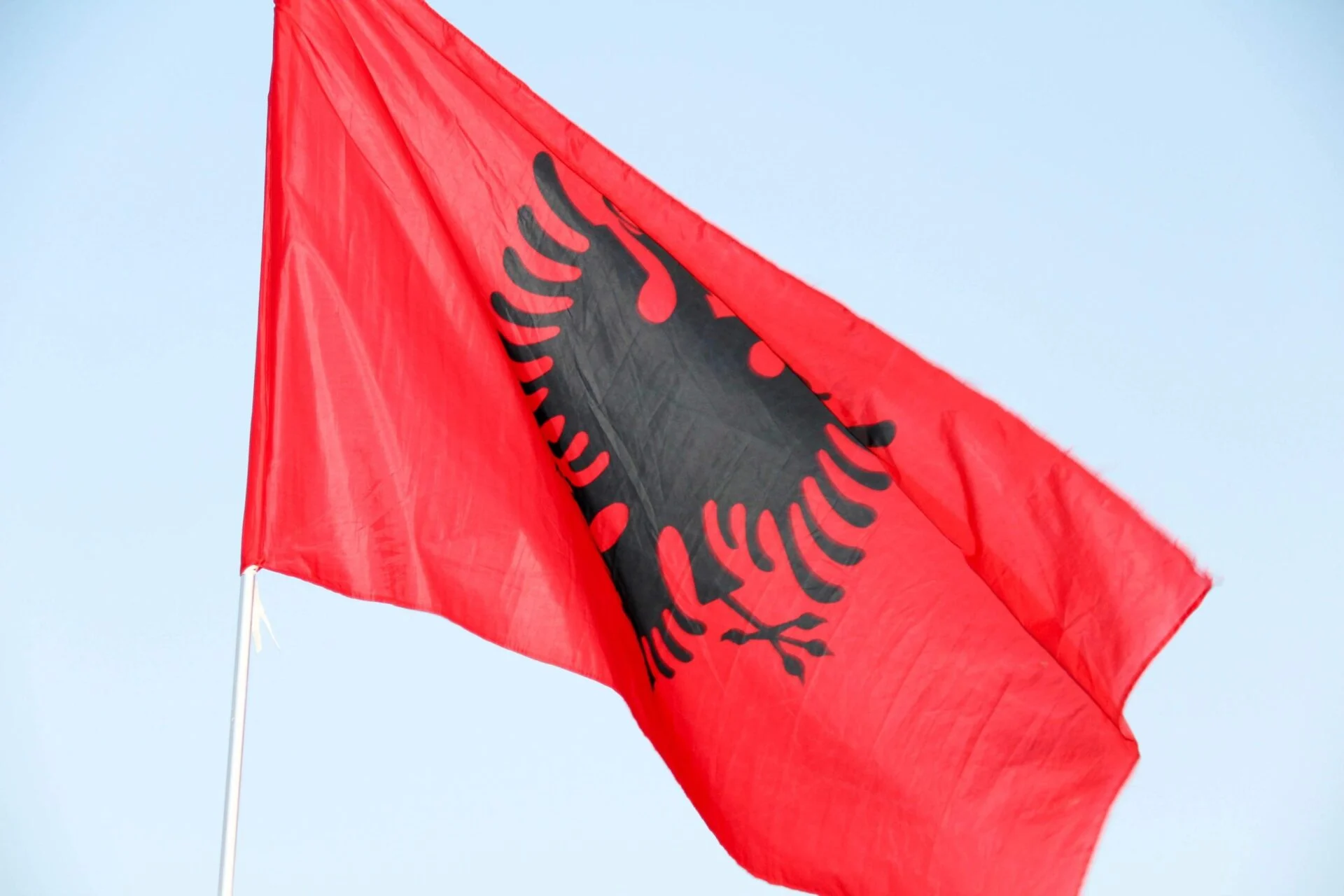
For seven years, Albania has operated under a total ban on sports betting, with prohibitions on betting halls, slot places, and all online gambling venues since 2019. Despite this, the unregulated sports betting gross gaming revenue (GGR) was estimated to be around $126 million last year, presenting international operators with a potential opportunity as the nation prepares for a regulated market.
In July, the Albanian government announced the completion of a new framework aimed at partially reopening the sports betting market. This will allow up to 10 online operators to accept wagers from local customers once the licensing process is finalized.
The push for this new regulatory structure has been a long time coming. In 2022, Albanian Prime Minister Edi Rama acknowledged that the ban had not eradicated the betting economy, which was still “flourishing” online. “We are talking about taking this activity out of the black economy and bringing the profits into the light, because nobody can block it – not even China,” he stated at the time.
Though legislation was passed in 2024 to reopen the market, it has taken more than two years to finalize the details. Several critical questions remain unanswered, including the timeline for the first licensing round and the number of licenses available, as well as whether the lengthy prohibition has dampened enthusiasm for betting.
The ban, initiated in 2018, came at a time when Albania’s sports betting market boasted an annual turnover of €700 million. The retail betting landscape was dominated by around 4,000 betting shops scattered across the population of roughly 2.8 million.
“There were a lot of betting offices in Albania – everywhere, near schools and in local neighborhoods,” noted Hendri Hanaj, founder and partner at Hashtag Lawyers. “The government was forced to do something because it was getting out of control.” Hanaj pointed out that small-scale betting was pervasive, with widespread participation among the populace.
Concerns surrounding addiction and the impact on low-income households, coupled with allegations of connections between betting companies and organized crime, led Prime Minister Rama to declare a “frontal war with the evil entrenched deeply in our society over the years” prior to the parliamentary vote to ban betting.
Since the ban, however, it has become evident that betting activities did not cease but migrated underground. Initial estimates from Gambling Compliance International (GCI) revealed that Albania's unregulated online sports betting market generated $117 million in GGR in 2024, with an increase to $126 million in 2025. The total unregulated online GGR, which includes casino and poker activities, reportedly reached $229 million last year.
Looking ahead, the new betting structure in Albania will strictly allow online wagering, with brick-and-mortar betting shops and slot halls remaining prohibited. Casinos are still limited to select locations in five-star hotels. The stringent new legislation allows for “up to” 10 licensees, with the precise number to be decided by the Licensing Commission, which will control market entry.
The government anticipates that this new regime could generate around ALL2 billion (€20 million) in public revenue annually, with 15% of GGR allocated to a “special fund” aimed at supporting culture, sport, technology, and innovation.
Hanaj cautions, however, that the severe restrictions may have lessened the initial appetite for betting. “There is an appetite for sports, but it has faded over time,” he commented, suggesting that the intense interest seen before the ban may not return.
As for the new framework, traceability and oversight are essential components. Players will be required to register online using their national identity cards, cash betting will not be allowed, and transactions must utilize Albanian banks or licensed payment institutions. Operators will be responsible for monitoring transactions and maintaining player records for at least three years, with self-exclusion mechanisms in place for problem gamblers.
Operators found violating licensing conditions may face penalties, including suspension of their license. They are subject to a 15% GGR tax intended for the government’s special fund plus a standard corporation tax rate of 15%. A minimum licensing fee is set at ALL400 million (€4 million), payable in installments over a decade.
Candidates interested in entering the Albanian market must navigate several stringent requirements, including registration as an Albanian joint-stock company, proven experience in at least three EU or OECD markets, and a financial turnover of at least ALL2 billion (€20 million) in the previous financial year. The licensing process will utilize a points-based system evaluating bidders based on their offers, sector experience, governance, technology, and business plans.
These criteria appear to favor larger international firms, according to Hanaj, who states that local companies may lack the resources or willingness to compete for licenses. Once the Licensing Commission launches the application procedure, there will be a quick call for applications to ensure transparency.
While Albania’s Gambling Supervision Authority has completed the eight implementing regulations as of July 2026, the timeline for market re-entry remains uncertain. The Ministry of Finance has been unavailable for clarification. Hanaj indicates that with the country aiming for EU accession by 2030, licensing may commence in the coming year or two.
With the population currently sitting at approximately 2.75 million, down from a peak of 2.8 million in 2018, and a modest economic environment, there are questions about whether the legal market can sustain multiple operators. Despite this, Hanaj believes the low setup costs and manageable license fees could attract large international players.
Although Albania's banking sector includes around 12 banks, Hanaj observes that the market might not support that many. Nonetheless, those banks continue to operate, indicating the potential for growth and activity even in adverse conditions.

