
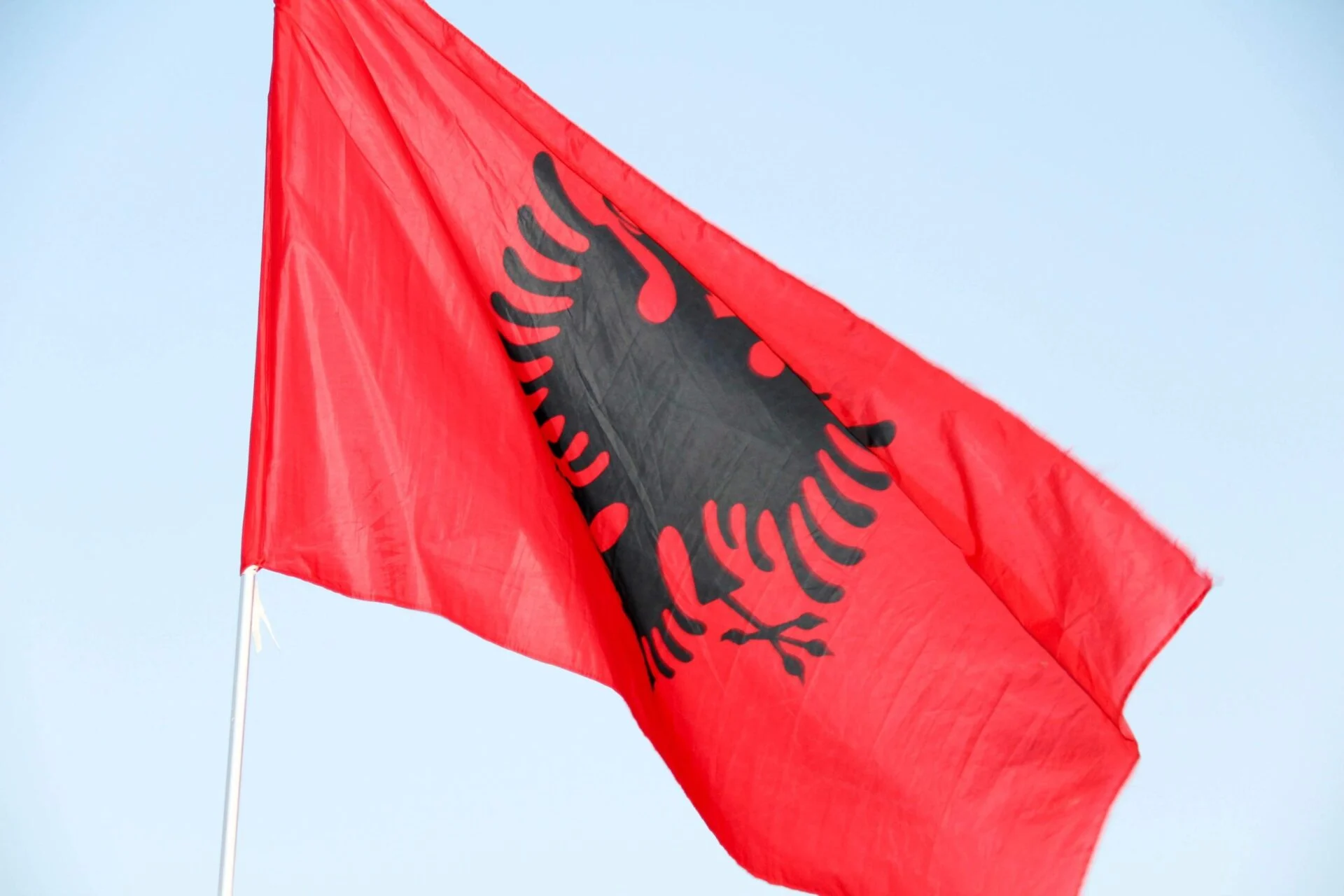
For the last seven years, Albania has enforced a strict ban on sports betting. Following a blanket prohibition in 2019 on all forms of gambling, including betting halls and online gambling, the industry has found itself operating in the shadows. In 2025, unregulated sports betting revenue was estimated at $126 million, indicating potential opportunities for international operators as the situation evolves, though the extent to which players will transition to the regulated market remains uncertain.
In July, the Albanian government announced the completion of a new regulatory framework aimed at partially reopening the sports betting market. Once the licensing process is finalized, the framework will allow up to ten online operators to accept wagers from the country's residents.
This move has been anticipated for some time. Back in 2022, Prime Minister Edi Rama acknowledged that the online betting economy was thriving despite the ban. "We are talking about taking this activity out of the black economy and bringing the profits into the light, because nobody can block it – not even China," Rama stated then.
Although legislation passed in 2024 aimed to restart the market, defining the new regulatory framework has taken over two years.
However, several questions linger. When precisely will the licensing process commence? How many licenses are available? Most importantly, has the lengthy ban dampened the population's desire for betting?
What prompted the ban on sports betting in the first place? In 2018, the year the ban was enacted, Albania’s sports betting sector was generating an impressive annual turnover of €700 million, with 4,000 betting shops catering to a population of around 2.8 million. "There were a lot of betting offices in Albania – everywhere, near schools and in local neighborhoods," noted Hendri Hanaj, founder of Hashtag Lawyers. The situation compelled the government to intervene as concerns over addiction and its impact on low-income families escalated. Rama, previously a professional athlete, also voiced worries about the integrity of sports, alleging connections between betting firms and organized crime. Ralphhan 2018 told parliament, "We are waging a frontal war with the evil entrenched deeply in our society over the years" in the lead-up to the ban.
However, following the ban, it became apparent that betting activities did not cease; instead, they were pushed underground. According to initial estimates from Gambling Compliance International (GCI), the unregulated online sports betting market in Albania generated $117 million in 2024 and grew to $126 million in 2025. Including online casinos and poker, the total unregulated online revenue reached approximately $229 million last year.
Despite the past ban, Rama has expressed a desire to avoid a return to the chaotic environment of traditional retail betting. Under the new regulations, only online betting will be permitted, while physical betting shops will remain prohibited. Additionally, casinos will be restricted to a limited number of establishments within five-star hotels.
Entry into the market will be strictly regulated. The new legislation outlines that up to ten operators will be permitted, with the exact number to be determined by the Licensing Commission during the application period. This approach could result in only a few operators being allowed to enter the newly regulated market initially.
The government expects this new regulatory framework to generate around ALL2 billion (€20 million) in annual public revenues, with 15% of gross gaming revenue allocated to a specific fund supporting culture, sports, technology, and innovation. Hanaj comments that the prolonged prohibition may have reduced the excitement for sports betting among the population. He says, "There is an appetite for sports, but it has faded over time. People like my father, or my cousins who are older than me, like sports more. Of course, people will bet, but I don’t think it will be as massive as before."
The shift to an online-only market may simplify oversight for the government. Hanaj points out that the new framework will focus significantly on traceability and monitoring, requiring players to register online using a national identity card. Cash betting will be prohibited, and payment transactions must occur through Albanian banking institutions or licensed payment providers.
Operators will need to track all transactions and maintain player records for a minimum of three years. They will also be required to enforce a national self-exclusion register for problem gambling. Reports indicate that family members will have the ability to request bans for relatives, rather than only the players needing to self-exclude. Operators must also inform players about gambling risks and provide guidance on support resources. However, Albania currently lacks dedicated gambling counseling or rehabilitation facilities.
The government has also established license revocation and suspension protocols. If operators breach licensing terms twice within three years, their licenses can be suspended for periods ranging from 30 days to two years, barring them from accepting bets during this time. A third violation could lead to a complete license revocation. Operators will pay a 15% gross gaming revenue tax for the special fund, alongside a standard 15% corporate tax rate and other local taxes, with the minimum license fee set at ALL400 million (€4 million), to be paid in installments over a ten-year term.
Aspiring operators will face considerable challenges to obtain a license. They must register as Albanian joint-stock companies, demonstrate gambling experience in at least three EU or OECD markets, achieve a turnover of at least ALL2 billion (€20 million) in the past financial year, and hold a minimum share capital of ALL40 million (€400,000).
Licenses will be granted based on a points-based evaluation system. Up to 30 points will be awarded for the license fee offer, with the best bidder receiving full points. Points will also be allotted for gambling experience, governance, technology, and a three-year business plan.
Hanaj observes that these stringent requirements seem to favor large international operators. He states, "There are a lot of conditions to get the license, and no Albanian company, at least, would be able to meet them – or at least none that are interested in betting." He believes the government seeks established companies with extensive experience, which may best serve the market's needs.
Once the Licensing Commission opens the application process, they must publish the call for bids within seven days via the official website, Albania’s Public Notices Bulletin, and two international newspapers.
Despite the finalization of regulations, operators are left waiting for clarity on the timeline for market reopening. As of the latest update, the Ministry of Finance had not responded to inquiries about the timeline. With Albania aiming for EU accession by around 2030, it is expected that licenses could be awarded within one to two years. However, this remains speculative.
There is also uncertainty regarding how many of the ten licenses will be issued and if the emerging market will be substantial enough to support multiple operators. Nevertheless, Hanaj is optimistic, suggesting that the relatively low startup costs and manageable license fees might make Albania a lucrative opportunity for large international operators. Once a hotbed of betting activity, Albania’s population has decreased from 2.8 million in 2018 to 2.75 million today, and it remains a lower-income country. Yet in gambling and other sectors, the nation has historically defied economic expectations. "There are around 12 banks in Albania, and I don’t think the market supports that," Hanaj remarks. "But they are still here and still working."

