
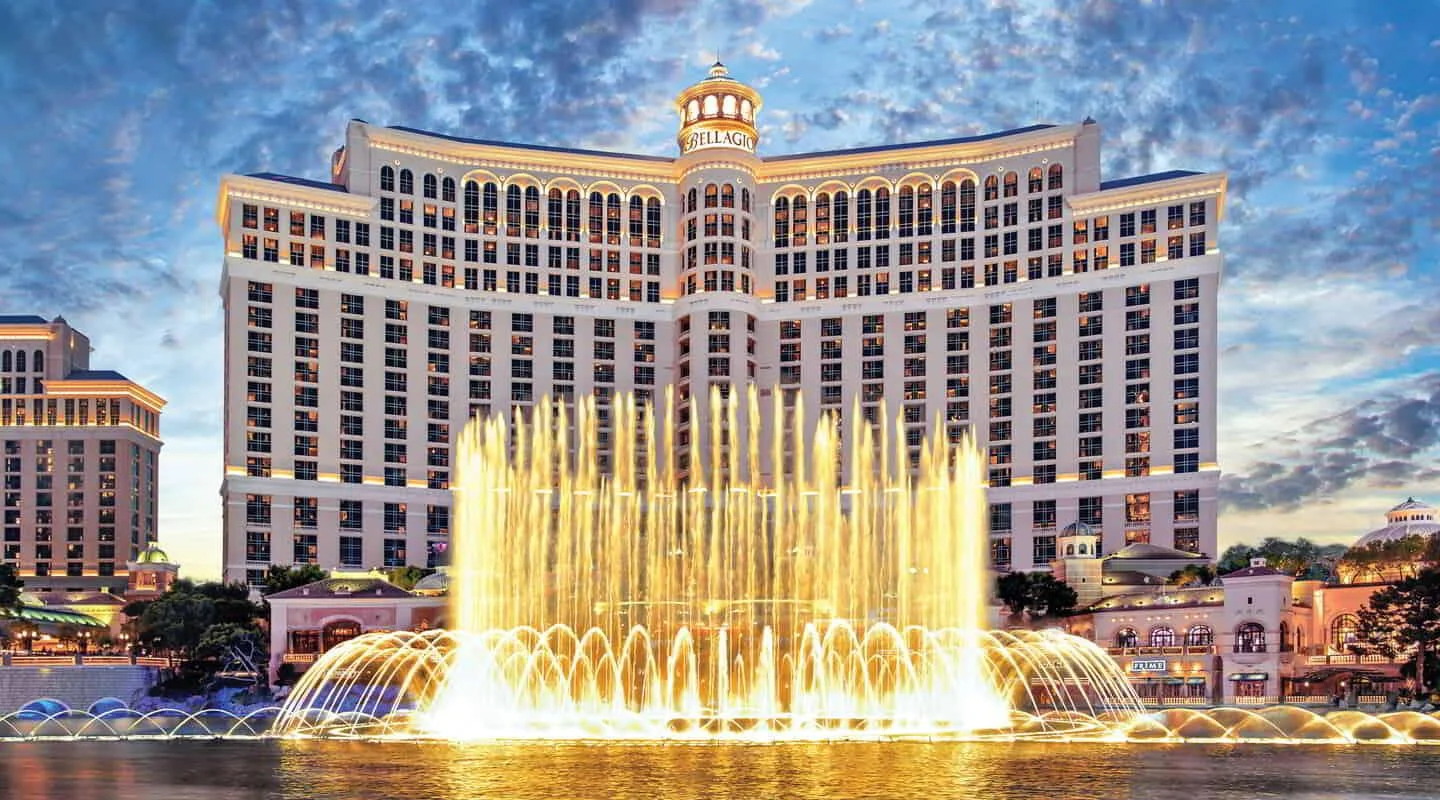
MGM Resorts has definitively ended discussions with People Inc., its largest shareholder, Barry Diller's company, regarding a potential takeover, as stated in their third-quarter results released on Wednesday. The announcements came amid MGM's financial updates, clarifying that neither party is pursuing acquisition talks any further.
People Inc. initially made a noteworthy proposal on June 1 to acquire the remaining 74% of MGM shares at $48.30 each, but the offer was rescinded on September 23. Following this development, speculation arose that MGM might buy People instead, which CEO Bill Hornbuckle has now dismissed. "We are refocusing on our business; the discussions about us buying them or them buying us are complete, and that is our firm stance along with that of People," Hornbuckle communicated to analysts.
MGM announced a revised voting agreement prior to the earnings call, ensuring that People would not exceed 29.9% ownership of MGM. In this accord, People agreed to vote in accordance with the Board's recommendations regarding any change of control transaction. In turn, MGM has pledged to refrain from any defensive actions against People and Diller.
In its Q3 financial report, MGM recorded group revenues of $4.2 billion, reflecting a modest 1% decline year-over-year, while adjusted EBITDA fell 20% to $403 million. While the operator did manage to reduce its net losses to $17 million from $285 million a year prior, losses per share also declined, dropping from $1.05 to $0.07.
Shares of MGM fell by 2.5% after the report, closing at $27.27. The stock had soared above $50 in June due to takeover speculation but has since dropped significantly, with an annual decrease of 25% and a 42% fall over the past five years.
Much of the analysts' attention was centered on Las Vegas, where MGM’s revenue dipped 2% to $2 billion, and segment adjusted EBITDAR decreased by 12% to $531 million. This drop was largely attributed to weaker non-gaming performance; average daily rates and revenue per available room (revPAR) fell by 8%, although casino revenue saw an impressive surge with a 17% increase in table games revenue, amounting to $363 million.
Hornbuckle acknowledged the historic performance of the Las Vegas market, noting that EBITDAR for MGM over the past year is 70% higher compared to 2019. Still, some analysts expressed skepticism, with one pointing out a decline in revPAR over the past eight consecutive quarters.
"Las Vegas has undoubtedly been more affected than many travel markets due to issues like international travel and problems stemming from Canada," Hornbuckle noted, indicating that the company must address these challenges incrementally.
MGM has been focusing on its upscale properties, such as Bellagio and Cosmopolitan, while lower-end markets have struggled in recent quarters due to the prevailing economic climate. Hornbuckle expressed hope for improvement, stating, "We expect to have a better outlook for the fourth quarter than we had coming out of the summer."
Regarding regional markets, MGM recorded $883 million in revenue, an 8% decline year-over-year, and segment adjusted EBITDAR also decreased by 18% to $243 million. Overall casino revenue in regional markets fell by 10%, primarily due to an 11% decrease in slot win. While COO Ayesha Molino characterized the casino's Q3 underperformance as notable, she expressed confidence that the properties are operating efficiently.
The construction of a new 6,000-seat Sphere entertainment venue adjacent to MGM’s National Harbor casino in Maryland is expected to bolster regional revenues. The Prince George’s County Council approved up to $215 million in public financing for this $1.4 billion project, which is anticipated to open in 2030.
From a financial standpoint, MGM ended the quarter with $2.3 billion in cash and total long-term debt of $5.6 billion. CFO Jonathan Halkyard noted there remains over $1 billion in stock buy-back authority, although no shares were repurchased in Q3 due to ongoing acquisition discussions.
Internationally, MGM China achieved a record quarterly revenue of $1.1 billion, up 5% from the previous year, though segment adjusted EBITDAR fell by 7% to $264 million. CEO Kenneth Feng identified various factors affecting profit margins, including event schedules and high-end gaming participation, yet emphasized a commitment to operational efficiency.
MGM is also progressing on the MGM Osaka project in Japan, currently the sole license holder for casinos in the country, with a targeted opening in 2030. Hornbuckle reported that the project is approximately 11% complete and remains both on schedule and within budget. He highlighted its significance as an exceptional integrated resort opportunity on a global scale, comparing it favorably against facilities like Marina Bay Sands in Singapore.