
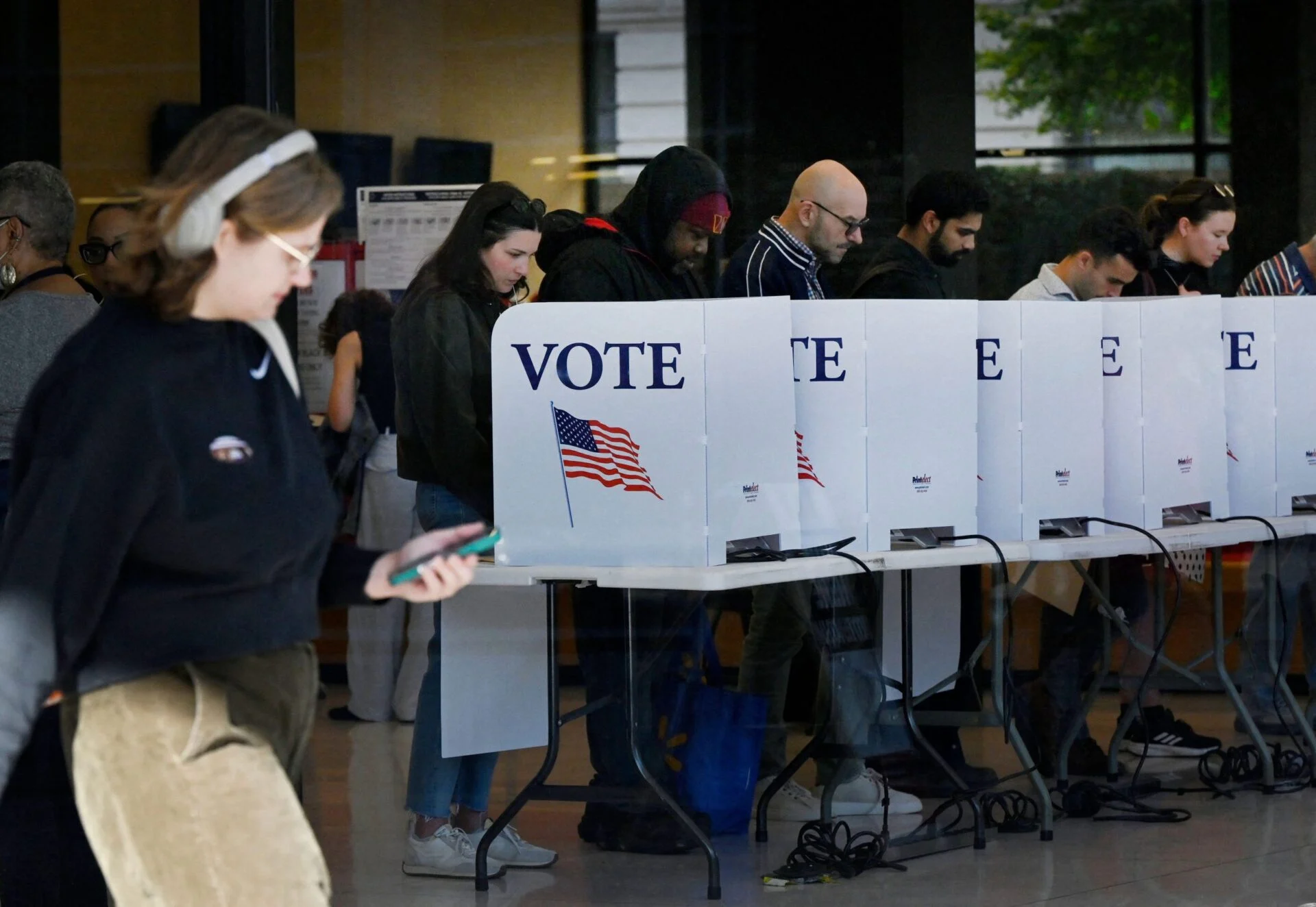
The Democratic Party experienced a significant electoral victory in the US midterm elections on Tuesday, securing control of both the Senate and the House of Representatives. This shift will give the Democrats greater power to obstruct President Trump's agenda for the remainder of his presidency.
While the election results are not anticipated to have an immediate effect on the national gambling framework, the issue of prediction markets, a hot topic in the gaming industry, is expected to be addressed by the Supreme Court rather than by lawmakers in the near term.
However, the widespread dissatisfaction with Trump, who is currently facing a low approval rating, could have implications in the medium term. Despite the ongoing controversy and legal uncertainties surrounding prediction markets, they have received substantial backing during Trump's tenure. Michael Selig, the CFTC chair appointed by Trump, has granted these markets favorable regulatory conditions, marking a clear policy shift from the Biden administration’s stance. If discontent with Trump continues into the 2028 Presidential election, a future Democratic president could have a detrimental impact on the emerging prediction market sector.
Control by the Democrats may also limit Trump's ability to nominate a Supreme Court justice who aligns with his interests if Justices Clarence Thomas or Samuel Alito retire during his term. Florida Governor Ron DeSantis has indicated that the likelihood of a “worthy successor” to these justices being confirmed is almost “zero,” posing challenges for potential Supreme Court cases regarding the legality of sports-event contracts.
Yet, several significant outcomes emerged in key races affecting the gaming industry.
In Nevada, Aaron Ford, a Democrat, won the governor's race, defeating incumbent Republican Joe Lombardo. This contest held considerable importance for the state’s prominent gambling sector. Lombardo, who was considered more pro-business, indicated during his campaign that he planned to “take care” of the state’s gaming billionaires who provide employment. He secured considerable political contributions from gaming-related donors, including $3 million from Station Casinos, $2 million from the Fertitta family, and $1 million from Las Vegas Sands. In contrast, Ford enjoyed support from unions, particularly those representing casino workers.
In Ohio, Democrat Amy Acton triumphed over Republican Vivek Ramaswamy in the governor's race. Acton advocated for legalizing online casinos in Ohio, emphasizing the need for player safety and advertising regulations. While online sports betting and land-based casinos are permitted in Ohio, online casinos remain illegal. Ramaswamy did not publicly take a stance on iGaming legalization, but his Republican predecessor, Governor Mike DeWine, opposed it last year, arguing that the state had reached a saturation point following years of gambling expansion. With Republicans controlling the state legislature, the potential for iCasino legalization could depend on Acton’s ability to collaborate across party lines during her term.
In Nebraska, gaming interests closely monitored a ballot measure aimed at legalizing online wagering. The passage of two related measures was necessary to allow licensed racetracks to collaborate with online gambling operators for remote betting. However, the main proposal, Measure 440, is projected to fail by about 55% to 45%, with Measure 441 likely facing a similar defeat.
Virginia saw mixed results with local measures on expanding physical wagering. A proposal to permit pari-mutuel wagering at satellite facilities in Pulaski was rejected with 56.46% opposing votes. Conversely, a similar proposal for Amherst County may narrowly pass, with results showing 50.66% in favor at the time of reporting.
In Indiana, the election outcome has not yet been declared officially, but initial results indicate that three counties—Allen, DeKalb, and Steuben—voted against allowing a casino. Even if all three measures had succeeded, only one county would receive a single inland casino license. According to preliminary data from Decision Desk HQ, Allen County rejected the measure by approximately 60% to 40%, Steuben County by 59% to 41%, and DeKalb County by 65% to 35%. Local business organizations supported the project, viewing it as an economic booster, while critics raised concerns about the negative impact on residents.

