
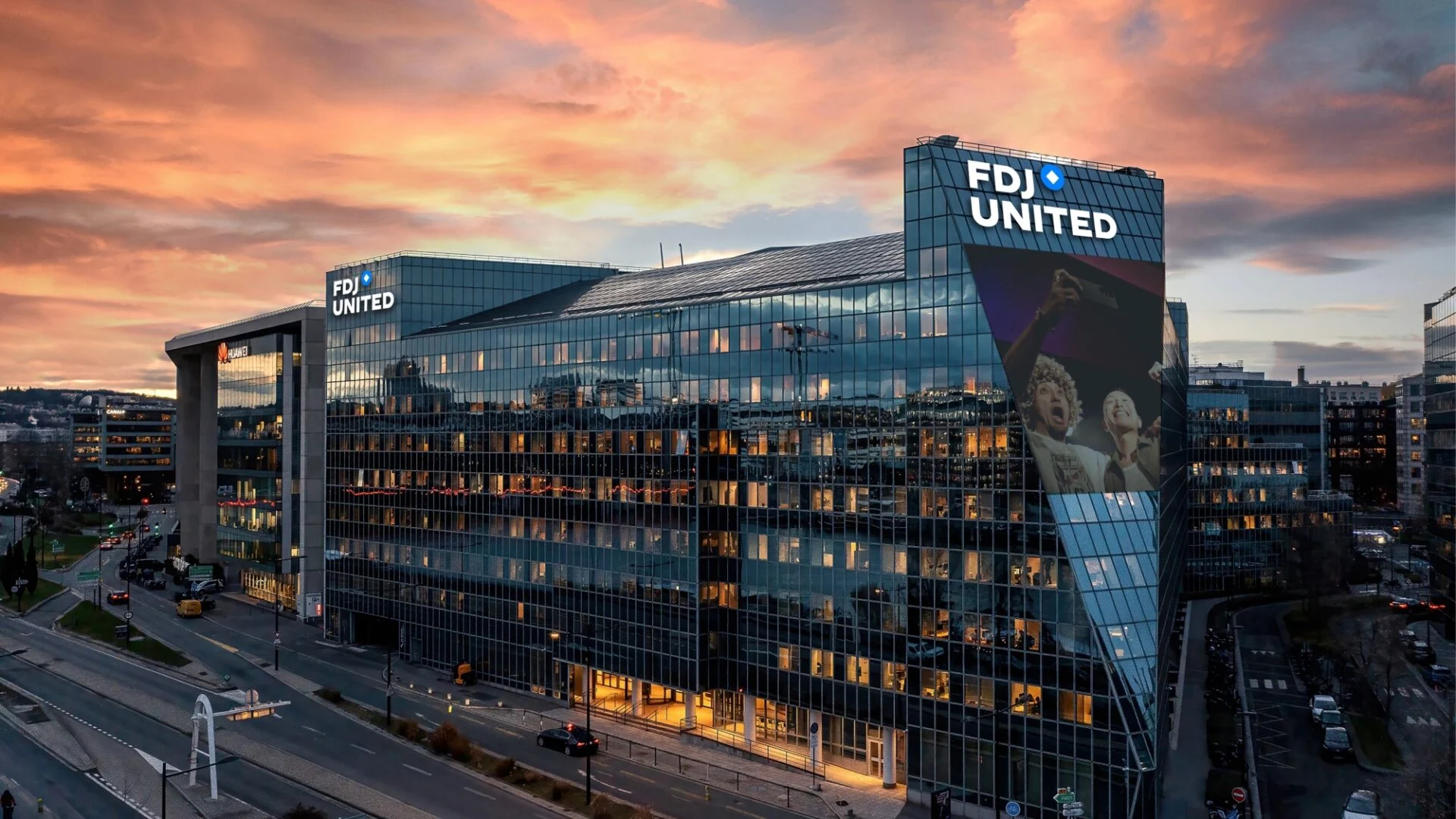
FDJ United has reported declines in revenue and gross gaming revenue (GGR) for the first half of 2026, attributing these setbacks to increased taxation and lackluster lottery sales.
On Wednesday, FDJ announced its half-year results, revealing a revenue decrease of 4.5% to €1.78 billion, while GGR fell by 1.3% to €4.31 billion.
Stéphane Pallez, the CEO and chairwoman of FDJ, highlighted that the revenue decline was influenced by tax hikes in key markets, including France, Romania, the UK, and the Netherlands, estimating an impact of approximately €52 million from increased gaming taxes.
The underperformance in FDJ's lottery segment significantly contributed to these results, showing a GGR drop of 2.1% to €2.98 billion and a revenue decline of 4% to €1.02 billion. FDJ indicated that this shortfall stemmed from notably fewer and smaller Euromillions jackpots compared to 2025. Furthermore, a lower customer turnout at retail points of sale in the second quarter, partly due to severe heatwaves, also affected sales.
Similarly, retail sports betting did not perform well, with GGR dropping by 1.1% to €450 million and revenue declining 2.9% to €218 million.
Despite these challenges, Pallez maintained optimism, stating, “Backed by solid fundamentals and a robust financial structure, FDJ United continues to invest in innovation, the attractiveness of its product portfolio, and the acceleration of its transformation to return to a path of sustainable, profitable and value-creating growth.”
On a brighter note, FDJ's online betting and gaming unit performed largely as anticipated, with stable H1 GGR at €702 million, despite a revenue decrease of 7.4% to €431 million. The online sector saw strong performances particularly in France and Scandinavia.
Excluding the UK and the Netherlands, the online unit experienced a GGR increase of 6.6% and a slight revenue rise of 0.6%. In the Netherlands, performance improved, with the Unibet brand’s GGR decline of 4.1% in Q2 representing progress from a severe 15% drop in Q1. However, the situation in the UK remains challenging, a sentiment echoed by FDJ, indicating that “the situation remains difficult.”
During an earnings call in April, Pascal Chaffard, gaming and betting chief, affirmed that FDJ has no plans to withdraw from the UK online betting market, emphasizing the priority to rectify performance issues. “For me, there is absolutely no question of getting out of the UK,” he said, suggesting recovery could take several quarters rather than years.
Plans are underway to deploy targeted task forces in the UK and Netherlands to bolster collaboration and performance.
FDJ has also hinted at a review of its Kindred business’s market portfolio, raising questions about future strategies in the UK market. Pallez addressed this during the earnings call, clarifying that the review aims to focus investments where returns on profitable growth can be maximized, not signaling any imminent exit from the market.
Following the half-year results, FDJ adjusted its fiscal year 2026 guidance, initially forecasting a slight revenue decline while expecting an increase in GGR and improved online segment performance in the latter half of the year. However, the company now predicts stable GGR for its lottery and retail sports betting as well as online units, with revenue expected to decline in the low single digits.
FDJ reported an adjusted net profit of €180 million for the first half, with commitments to optimize resource allocation going forward.

