
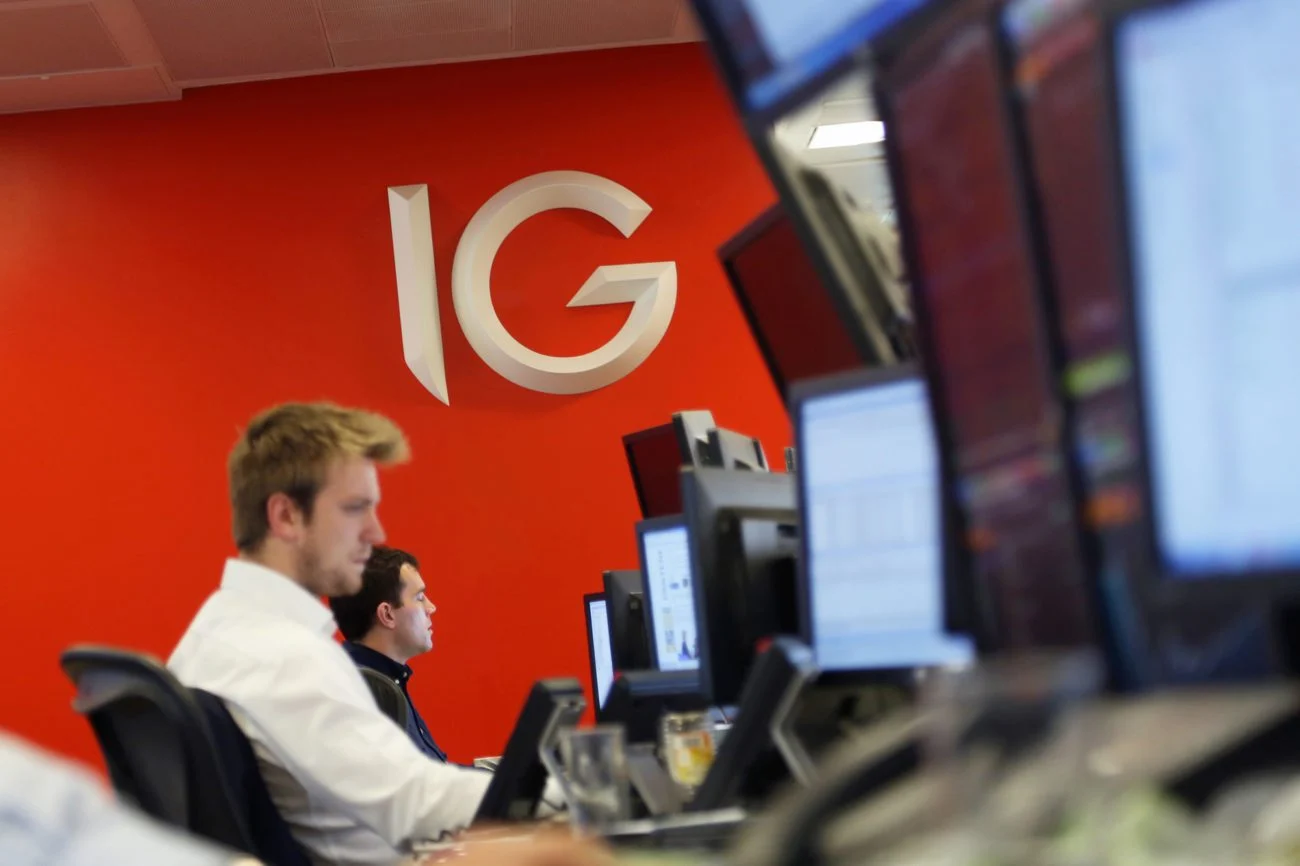
IG Group is making a significant move by acquiring Underdog Sports Holdings for a total of up to $1.3 billion, marking a notable investment in the future of prediction markets. This deal is structured as an initial payment of about $1.1 billion, along with potential earn-outs that could bring the total to $1.3 billion, depending on performance milestones. The completion of this acquisition is anticipated in late 2026 or early 2027.
The upfront enterprise value of $1.1 billion is what IG will pay directly for Underdog, while the additional $200 million is earmarked for shareholders based on future performance. A management incentive plan (MIP) allows Underdog employees to earn as much as $850 million if the company meets extraordinary earnings goals. This notable distinction is essential for understanding the real financial implications of the deal. Ben Robinson of Corfai highlights that the price tag of about 2.4x Underdog's last twelve months' revenue makes the valuation appear reasonable. Even considering the MIP, which is not paid directly to sellers, the valuation sits around 2.8 times those revenues.
While this may not seem exceptionally cheap, it does not necessitate an immediate huge bet on the broader prediction market industry. For context, PrizePicks was acquired by Allwyn for $2.5 billion, suggesting that Underdog is being valued more conservatively relative to its revenue stream. Robinson notes that IG is effectively paying for a business whose earnings still have room to grow, tying significant value to its performance.
The MIP reveals the expectations tied to future earnings, with payouts triggered at specific EBITDA targets by 2028, starting with a minimum threshold of $140 million and scaling up to $700 million for maximum earn-outs by 2029. With Underdog's net revenue reported at $466 million for the year ending June 2026, and a customer base including five million depositing users, the pressure for continued expansion is evident.
However, there are signs of growth deceleration, as first-half growth in 2026 dipped to around 11%. Robinson raises concerns about whether prediction markets are drawing in new revenue or simply transferring existing funds from other forms of daily fantasy sports. This underscores the need for substantial growth acceleration to reach those ambitious EBITDA targets.
Regulatory challenges loom large in the prediction market landscape, with ongoing debates over whether these markets should be treated as gambling or financial products. Sam Martin, a legal expert, argues that the structure of the deal mitigates the risks associated with potential regulation impacts, suggesting IG is hedging against these uncertainties.
Experts like Ed Birkin provide a cautious perspective on the acquisition, emphasizing that future success depends heavily on market conditions and regulatory developments. The size of the American prediction market opportunity makes the deal intriguing, with the potential to expand beyond sports to include various event contracts related to finance, culture, and politics.
Jeremy Levine, the founder of Underdog, shares a history with IG's CEO, Breon Corcoran, which could foster confidence in this acquisition. Corcoran previously acquired Levine's DFS business DRAFT in 2017, establishing a rapport that may play a significant role in the operational integration post-acquisition.
While Underdog has carved out a space in the prediction market, it faces stiff competition from established players like Kalshi and Robinhood. The competitive advantage will hinge on liquidity, customer acquisition, and operational execution. IG Group remains optimistic that its capital resources can enhance Underdog's growth trajectory, though skepticism exists about whether their technical expertise will yield immediate competitive advantages.
As for the larger industry dynamics, incumbents like DraftKings and FanDuel are actively shaping their strategies around prediction markets. The potential for sportsbooks to deepen their engagement in this domain is evident as they explore avenues for expansion in line with growing consumer interest.
IG Group's acquisition of Underdog signals not just a significant entry into prediction markets, but also reflects the company's strategic bet on a future that is both promising and fraught with uncertainties. The distinction between the direct purchase price and potential payouts illustrates a layered commitment to Underdog's ambitious growth expectations in a rapidly evolving landscape where regulatory clarifications and market realities still unfold.

