
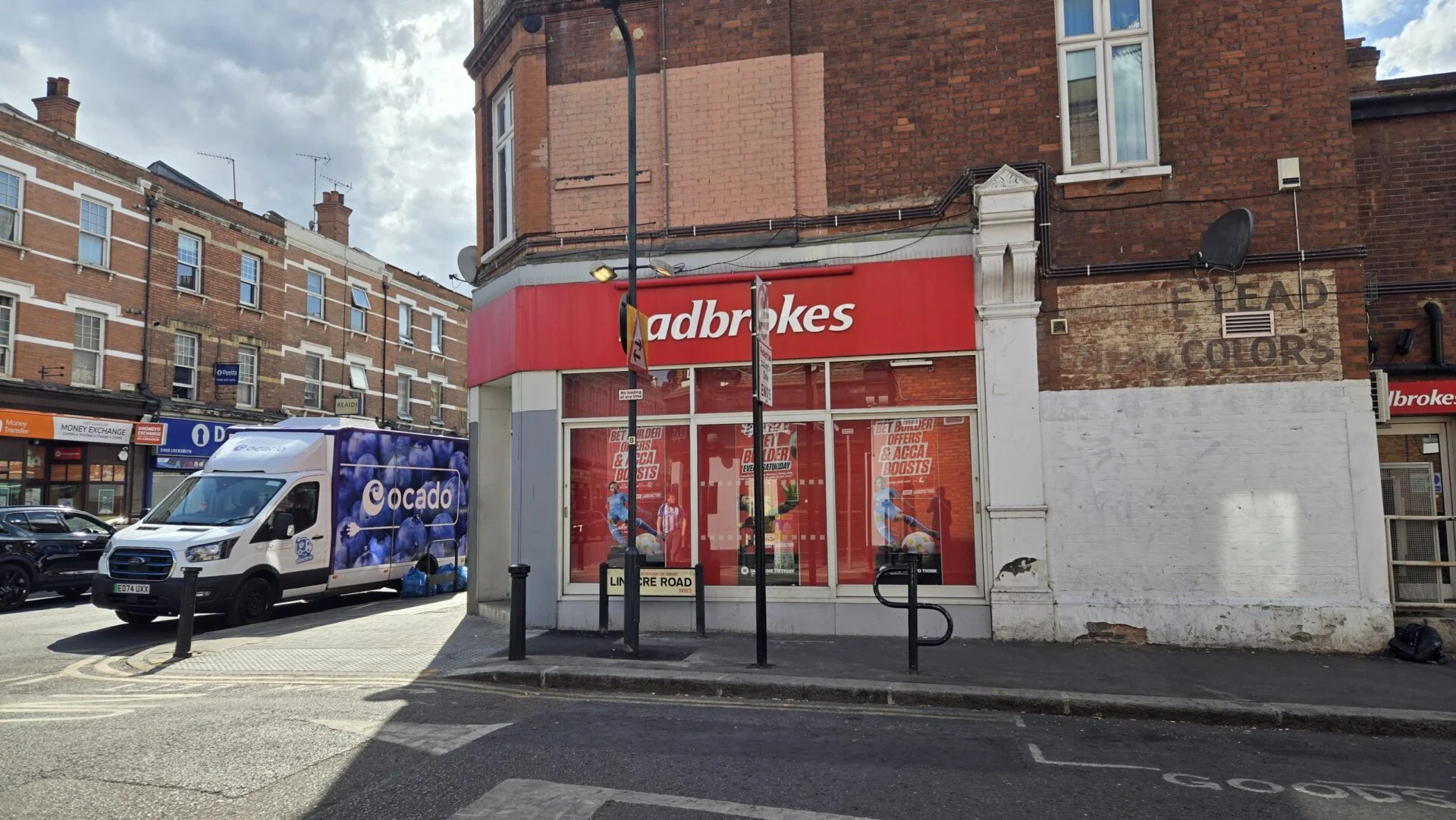
Betting shops are a common sight in the UK, but the situation in Brent, a borough in north-west London, highlights the growing concerns around gambling in Britain. This area features a high concentration of gambling establishments, ranking second in London for the number of such premises per capita. Local politicians have mobilized to address what they perceive as the negative impact of these establishments, expressing frustration over their inability to control their spread.
Local MP Dawn Butler has spearheaded the campaign, organizing a cross-party appeal to the Prime Minister and calling attention to the rise of gambling-related issues. In light of these concerns, Brent Council declared a "gambling harms emergency" and put forth a six-point plan to limit gambling expansion. Despite this outcry, council records reveal that they have not issued a new betting shop license in over a decade, with the last approval dating back to 2013.
Requests for comment from both Brent Council and MP Dawn Butler went unanswered. While some council members express greater concern over Adult Gaming Centres (AGCs), data indicates only three AGCs have opened in the borough within the last five years. Overall, gambling premises in Brent have declined from 83 in January 2025 to 75 currently.
This situation in Brent mirrors broader national trends. Prime Minister Andy Burnham has suggested that councils should have more authority to reject new betting shops, labeling them as "dodgy businesses". Nationally, the number of betting shops has fallen from a peak of 9,128 in 2012 to 5,789 by 2025, as firms like Betfred and Evoke plan to shut several locations.
A similar stagnation is seen in AGC numbers, which dropped from 2,247 in 2012 to 1,415 by 2025. JenningsBet's CEO Greg Knight noted that his company only opened four new shops last year, emphasizing the political motivations behind the scrutiny of retail gambling.
Scott Longley, analyzing recent quarterly earnings of major UK operator groups, indicates that companies are increasingly facing political pressure. Despite this intense backdrop, many of the recent policy shifts appear not to be driven by comprehensive data analysis. The decision to abolish the "aim to permit" policy becomes questionable, as it was a significant feature of the Gambling Act balancing liberty and harm.
Of the councils supporting Brent's appeal regarding the "aim to permit" removal, many did not conduct any gambling premise inspections in 2025/2026, raising concerns about the lack of oversight in assessing gambling-related harm.
Butler's op-ed in the Guardian, celebrating the repeal of "aim to permit," lacked clarity on future licensing decisions, as compliance expert Luisa Clark pointed out that removing this phrasing is just the beginning and that understanding the “replacement” policy is crucial.
The introduction of Gambling Impact Assessments (GIAs) planned for implementation soon would allow councils to deny new licenses based on evidence. This begs the question of why the "aim to permit" policy was withdrawn if a more evidence-based approach through GIAs is forthcoming.
Knight expressed confusion regarding the repeal of a policy while GIAs were already being introduced, indicating the potential benefit for established operators amid stricter regulations.
Andrew Lyman, Gibraltar’s Gambling Commissioner, raised concerns that poorly conceived policy decisions could redirect betting activity back to unregulated markets instead of controlled environments. He emphasized the necessity of focusing on the gambling risk rather than broader social issues.
Recent decisions by local councils reflect a hostile stance towards gambling, branding it as a contributor to social issues like anti-social behavior. A councillor even remarked the lack of clarity on the benefits of gambling. The framing of betting shops as "dodgy businesses" has not only drawn ire from industry leaders but also exposed a significant disconnect between gambling operators and public sentiment.
Former betting shop manager Terry White, now an advocate for gambling harm awareness, criticized the industry for its failure to prioritize player welfare over profits. He pointed to a decline in the supportive community atmosphere in betting shops, acknowledging that while well-managed establishments have a place on high streets, many have devolved into poorly operated venues lacking proper training and care for customers.
Knight, recognizing this shift in public perception, suggested that rejuvenating the sense of community in betting shops might improve their public image. This includes organizing events that promote social interaction among customers rather than merely serving as transactional venues.
As decisions continue to shift in response to public opinion, the industry faces significant policy changes that threaten the foundational premise of the Gambling Act. The Betting and Gaming Council is advocating for evidence-based regulations, highlighting the economic contributions of the industry while requesting careful consideration of any forthcoming tax or regulatory shifts.
Despite numerous challenges—including affordability checks, tax hikes, and policy shifts—Knight remains optimistic about the future of UK retail betting. He believes that the closures merely reflect market adjustments rather than an impending demise. While betting shop numbers dwindle, revenue per shop is climbing, having increased by 37% since 2019.
Knight’s primary concern lies with the political landscape rather than the economic viability of the industry. He cautioned that as long as demand exists, the future holds promise, but the direction of political decision-making remains a critical variable.

