
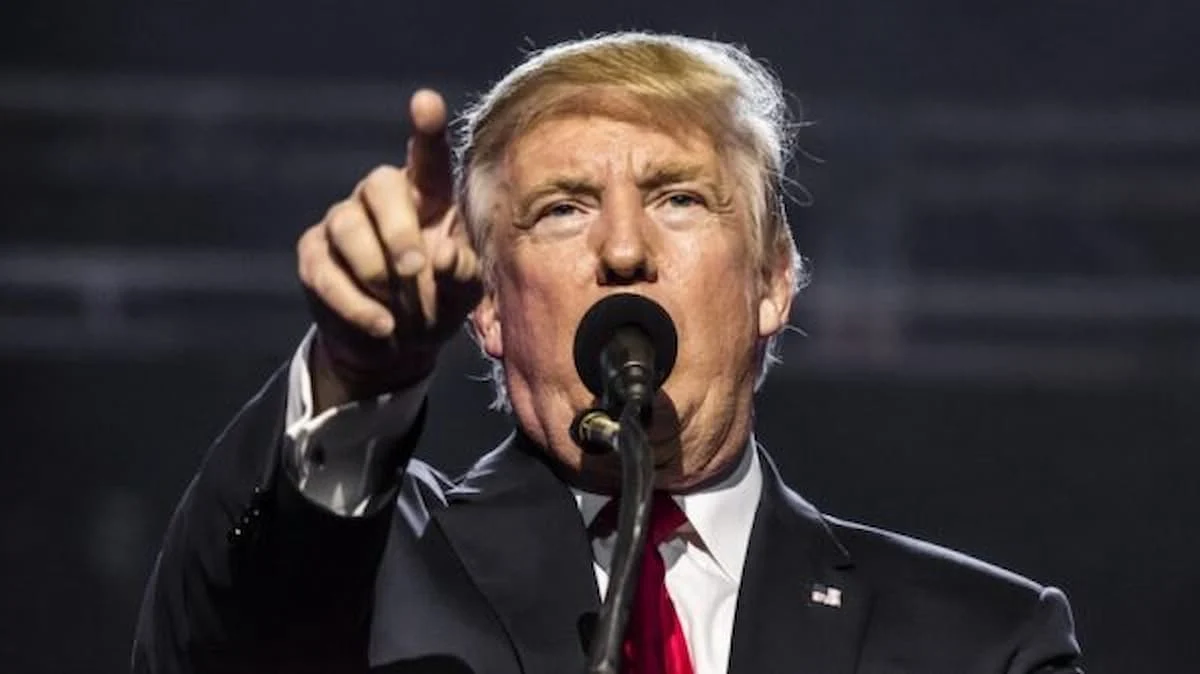
Donald Trump placed a teleprompter operator on unpaid leave after it came to light that the operator had allegedly bet on the content of Trump's speeches. The operator, Gabriel Perez, reportedly made wagers at Kalshi on at least 12 different speeches over a three-month span, as revealed by investigators from the Commodity Futures Trading Commission (CFTC). With prior access to the speech scripts, Perez could predict what Trump would say with a high degree of accuracy.
According to ABC News, over the course of these wagers, Perez accumulated gains exceeding $100,000. At certain times, he withdrew from trades as Trump diverged from the written material. Trump himself remarked during a speech in January to the Detroit Economic Club that he departs from the teleprompter about 80% of the time.
Despite the controversy surrounding Perez's actions, Kalshi continued to allow users to bet on the content of Trump's most recent "Speech to the Nation," which generated more than $10 million in trades. Among the words traders wagered on were 'fraud', 'China', and 'transgender'. In total, over $910 million has been traded on mention markets this year, according to prediction market analyst Dustin Gouker, who also noted this figure surpasses that of the platform's election markets.
Gouker expressed concern about the potential for manipulation in these markets, which he described as “ripe for manipulation and insider trading.” This incident isn't the first instance where Kalshi's markets related to Trump’s speeches have faced scrutiny. In December, another Kalshi trader publicly claimed he had manipulated the speech content in Pennsylvania. There are no known public records of any charges, sanctions, or bans associated with that trader from the CFTC or Kalshi.
As Kalshi attracts more users, particularly through sports markets, its mention markets are also experiencing increased intrigue. The speech in December saw around $900,000 in trading volume, a stark contrast to the volume seen at the latest event.
According to Gouker, Kalshi is motivated to grow activity in all its categories. "Kalshi would very much like volume on everything else to grow, so it’s not likely to abandon a category that has proven it has some staying power,” he noted.
In another incident highlighting the markets' susceptibility to manipulation, Coinbase CEO Brian Armstrong mentioned several keywords during an earnings call that impacted a Kalshi market shortly thereafter. Coinbase is collaborating with Kalshi as part of the Coalition for Prediction Markets, which focuses on addressing insider trading.
Robert J. Denault, Kalshi's Head of Enforcement, stated on social media that the company had reported the trades linked to the Trump teleprompter incident to the CFTC and had been cooperating with investigators throughout the process.
The CFTC has not issued public comments on the unfolding situation, but ABC News indicated that the agency may be prepared to reach a settlement with Perez, which could require him to return his profits and refrain from similar trading in the future. This outcome appears significantly milder compared to the harsher penalties faced by others, such as a Google engineer who may serve up to 50 years in prison for using confidential information to place bets on Google search results at Polymarket.
In March, the White House circulated a memo advising staff against the use of nonpublic information for bets in prediction markets. "The White House has strict ethics guidelines that we expect all staffers and officials to follow," said spokesperson Davis Ingle in response to the Perez scandal.
In a bid to mitigate the risk of insider trading, Kalshi has announced it will require users to verify their employment status. Furthermore, major U.S. banks have recently notified employees they may face termination risks for engaging in trades that relate to finance or politics within prediction markets. Gouker argues that the existence of these markets poses an unnecessary threat, stating, "Like a lot of cases we have seen, the inside information only has real value in the context of prediction markets!"

