
As the World Cup concludes, sportsbooks must consider the future of the customers who arrived primarily for the tournament. Many of these bettors were first-time depositors, eager to engage with World Cup matches through their betting apps. However, once the final match was played, they faced a shift in focus within the app to different, less familiar sports and competitions. This raises a crucial question: What steps will these new customers take after the tournament ends?
Recent estimates indicate that total wagers for the World Cup will exceed $50 billion, a significant increase from $35 billion during the Qatar 2022 tournament, highlighting an unprecedented influx of new bettors. The acquisition of each new customer carries costs—bonuses, promotional odds, and advertising expenditures—so retaining these bettors beyond their initial deposit is essential for profitability.
Insights from the UK Gambling Commission's study of bettors post-2022 World Cup provide some guidance. Although the research is four years old, it remains relevant as it tracked the behavior of World Cup bettors for three months following the tournament. Among approximately 100 respondents who had not engaged in football betting in the year leading up to the tournament, 70% were still placing bets three months later. However, fewer than half continued to bet on sports; many shifted to alternative gambling products.
These findings suggest that the initial enthusiasm of new customers often persists beyond the tournament's conclusion. As they search for ways to engage with betting, they may turn to other formats they find appealing, regardless of whether they originated from the sportsbook that acquired them. Once operators recoup their acquisition costs, every additional customer they retain adds positively to their profits.
To improve customer retention, sportsbooks face a content-related challenge first, and customer relationship management (CRM) concerns second. Retention strategies such as reactivation emails or free bets can be successful if accompanied by content that resonates with the customer’s interests. However, research indicates that many sportsbooks may not cater to the needs of their new audience.
To capitalize on this opportunity, sportsbooks need to provide content that appeals to customers who primarily enjoy football. An ideal strategy would involve maintaining a focus on football while offering formats that deliver quick results, minimizing the need for customers to learn new statistics and processes.
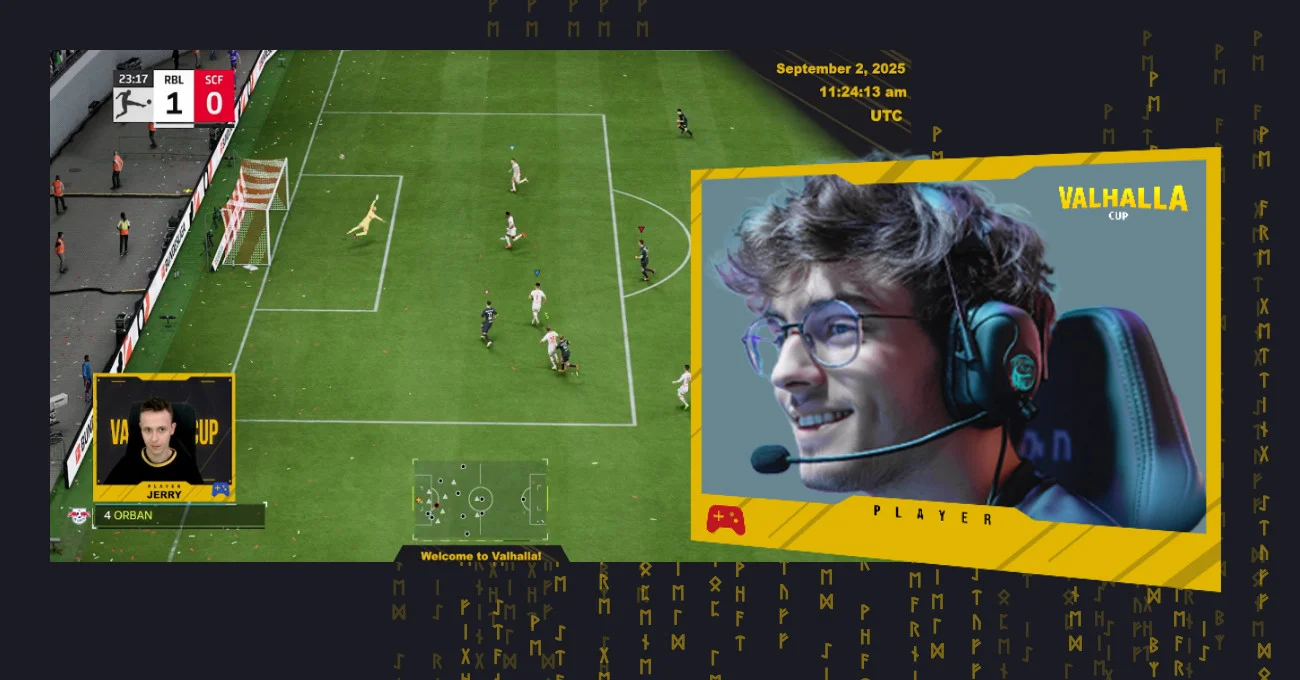
For instance, Oddin.gg's Penalty Arena leverages the thrill of penalty kicks by running continuous betting markets where bettors can predict the outcome of each kick, resulting in quick payouts without needing to follow a traditional fixture list. Meanwhile, for bettors preferring more comprehensive matches, Oddin.gg’s eFootball offers fast-paced electronic simulations of games, producing new matches frequently around the clock and tapping into various sports through its eSims range, which also includes esports and other traditional sports.
The esports sector further diversifies the offerings for sportsbooks, creating a schedule that doesn't rely on traditional sports seasons. Numerous esports titles have their own competitive calendars, ensuring that there's always action available, while formats like Oddin.gg’s Counter-Strike 2 Duels keep betting markets active even when other sporting events decline. Notably, the esports audience tends to be younger, appealing to Millennials and Gen Z and often with little overlap with traditional sports fans. This helps sportsbooks broaden their revenue streams and maintain engagement even when events like the World Cup conclude.
As every sportsbook anticipates the influx of new bettors this summer, historical data indicates that most will continue betting post-tournament. How each operator addresses this opportunity will depend significantly on the content they provide thereafter. Those who cater to the interests of World Cup attendees by ensuring speedy outcomes tied to football will likely transform a record-breaking acquisition quarter into sustainable revenue into the future.

