
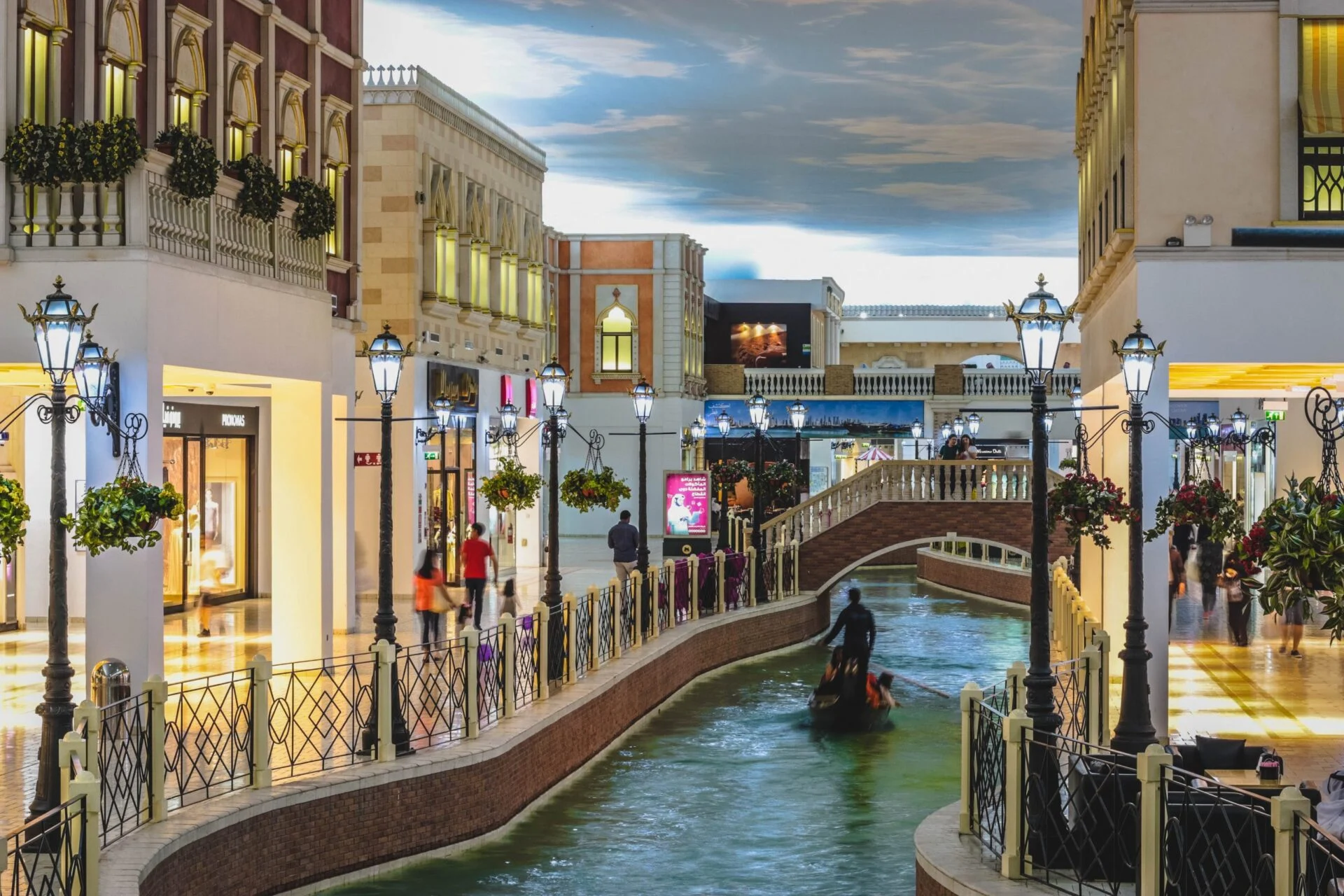
Recent reports reveal that the Venetian has settled a $7.2 million fine for anti-money laundering violations with the Nevada Gaming Control Board (NGCB) stemming from dealings with illegal bookmaker Mathew Bowyer. This incident reflects a troubled final decade for Las Vegas Sands at the Strip, culminating in the company’s departure from the market.
Las Vegas Sands sold the Venetian to Apollo Global Management in 2021, marking its exit from the renowned gambling destination. Post-sale, Sands shifted its focus exclusively to markets in Macau and Singapore, having previously attempted expansions in Texas and New York that did not materialize. Although Sands is still headquartered in Las Vegas, its casino assets have been divested, and its digital operations were closed down last year.
Bowyer, a patron since the Venetian's opening in 1999, is now at the center of $34 million in anti-money laundering fines across four Las Vegas operators. The NGCB's investigation revealed that the significant violations occurred between 2019 and 2021, during the latter part of Sands’ ownership. The casino did not verify his source of funds starting in 2019 and only issued a formal ban in 2024, well after Apollo's acquisition. Throughout 2019 to 2021, Bowyer visited the Venetian 30 times, depositing $22.3 million and ultimately losing $3.6 million.
The NGCB has withheld further comment as the case undergoes review by the Nevada Gaming Commission, while Sands has not responded to requests for statements.
Bowyer’s case draws parallels with that of Zhenli Ye Gon, an alleged drug trafficker who frequented the Venetian in the early 2000s. Ye Gon was noted as the largest cash gambler at the venue, with federal prosecutors indicating that Sands failed to adequately vet his accounts. Between 2005 and 2007, he transferred $45 million and deposited $13 million in cashier's checks, receiving no suspicious activity reports until after his gambling period had ended. Sands forfeited $47.4 million to the government in relation to Ye Gon’s activities in 2013 to avoid criminal prosecution.
In announcing that forfeiture, U.S. Attorney André Birotte Jr. noted that Sands faced the prospect of a federal criminal case prior to reaching a non-prosecution agreement. Years later, it has been suggested that founder Sheldon Adelson enlisted the assistance of high-profile individuals to influence the outcome, particularly former Nevada Senator Harry Reid. Documents indicated that Reid acknowledged his involvement on the day of the forfeiture, claiming the outcome would not have occurred without his help.
Another scandal involving Sands emerged in 2010 when former Sands China CEO Steven Jacobs filed a wrongful termination suit, alleging that Adelson pressured him to use undue influence over Chinese officials. In an effort to support its case, Sands engaged the NGCB to file an amicus brief, which the board declined. In 2016, then-attorney general Adam Laxalt sought to persuade NGCB Chairman AG Burnett to change course, leading to a secret recording of their conversation that ignited an ethics investigation.
2016 turned out to be a financially taxing year for Sands. Within just a couple of months that year, the company settled Jacobs’ lawsuit for over $75 million, faced a $2 million fine for violations related to Ye Gon, and incurred an additional $9 million penalty from the SEC for accounting inaccuracies linked to a Chinese consultant, raising questions about transparency and compliance within the firm. Following the SEC's findings, Adelson stated that Sands was dedicated to implementing a compliance program to address these previous shortcomings.

