
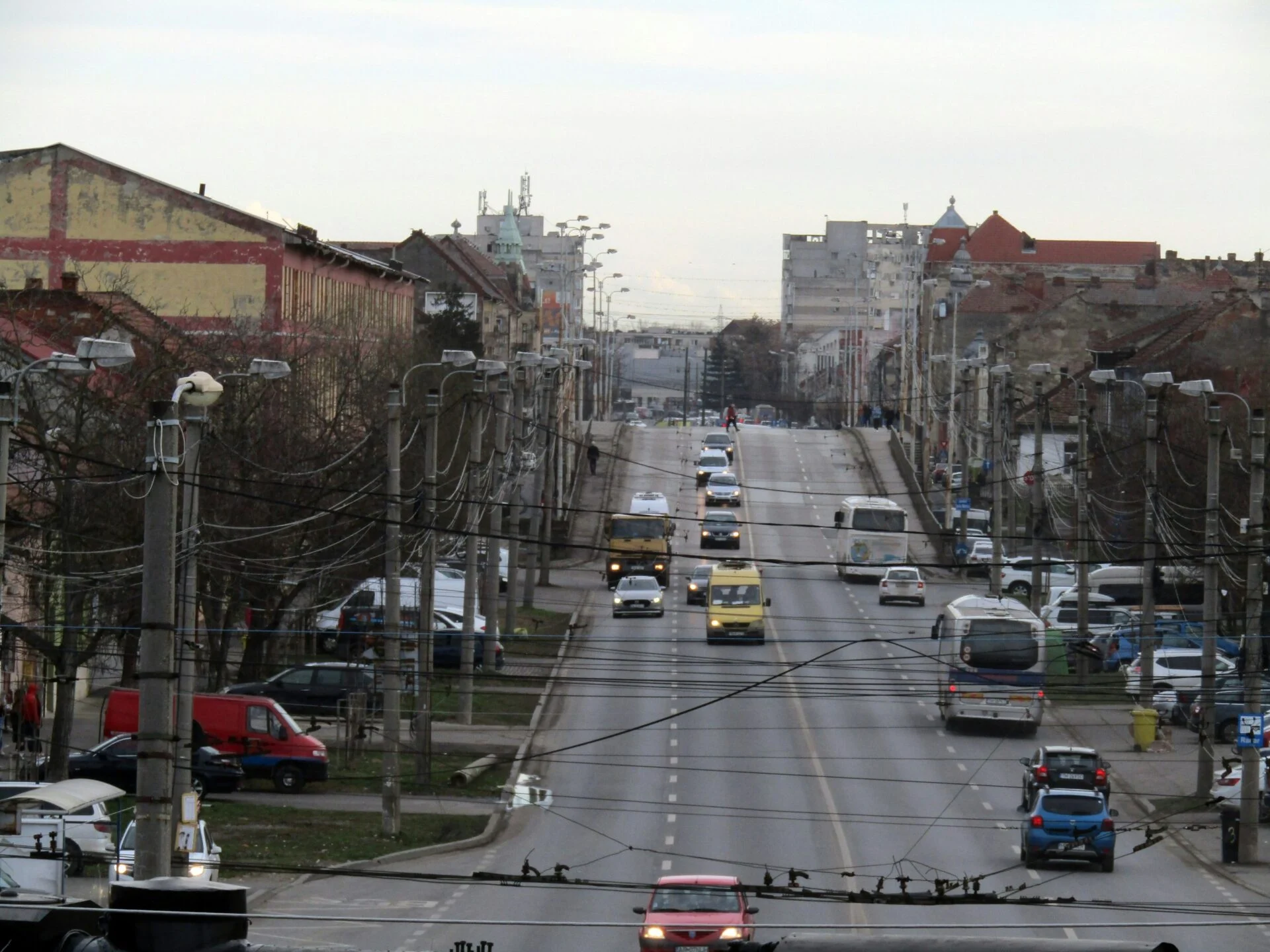
The council of Timișoara has taken decisive action by unanimously banning the establishment of new gambling halls within the city. Mayor Dominic Fritz announced this policy on Tuesday, emphasizing that current venues will only be allowed to operate until their licenses expire, which is anticipated to lead to closures by next year.
"This decision is now official: gambling halls can no longer be authorized in Timișoara," Mayor Fritz stated in a Facebook post. He elaborated that the local council had reached this conclusion through a unanimous vote.
While the ban affects gambling halls, lottery services operated by Romania’s National Lottery will continue to function, remaining the sole permitted form of gambling.
The 173 gambling venues that had received authorization as of earlier spring will gradually shut down as their central licenses, governed from Bucharest, come to an end—expected by 2027.
Local authorities are now responsible for these decisions. In April, the president of the Timis County Council mentioned that funds previously allocated for gambling hall monitoring are set to be redirected to enhance educational infrastructure, including modernizing schools and kindergartens.
This move aligns with a recent shift in Romanian government policy, which transferred the power to license gambling to local authorities. Under this framework, councils have the discretion to either permit or outright ban gambling activities.
In 2024, further reforms saw the banning of slot halls in towns with populations below 15,000 and introduced rigorous zoning and advertising regulations. Romania has seen a significant decline in the number of slot machines, with the total dropping from 80,000 to 36,000.
As of 2025, the annual revenue from brick-and-mortar gaming in Romania was approximately €1.67 billion, accounting for about a third of the overall market, according to H2 Gambling Capital data.

