
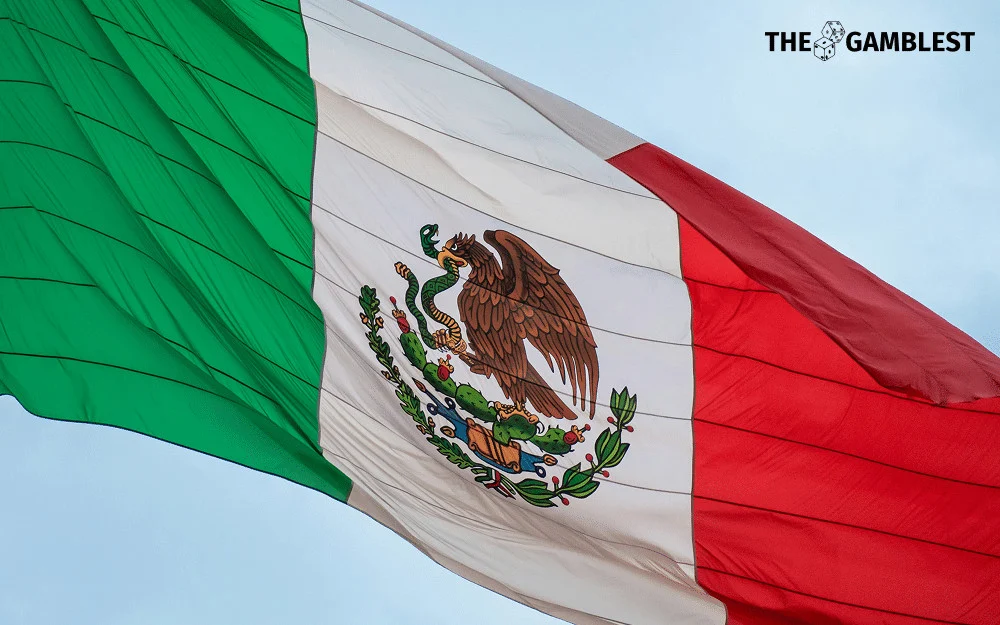
Mexico's Federal Law on Games and Draws is nearing completion of its internal review process, as stated by Interior Secretary Rosa Icela Rodríguez. The law, first announced in September 2025, has gone through multiple reviews since its introduction.
Rodríguez indicated that the internal review, involving various government agencies connected to casinos, betting facilities, and entertainment centers, is almost concluded. The proposed law has been evaluated by different federal institutions and is set to be included in the agenda of the security cabinet for further consideration.
A key feature of the proposed law is the incorporation of a Risk-Based Approach within its regulations. This framework requires entities involved in Vulnerable Activities to identify, assess, classify, and document risks associated with customers, transactions, products, services, operational channels, and geographical locations. This approach enhances customer due diligence, facilitating the identification of beneficial owners and politically exposed persons, while also bolstering internal controls, recordkeeping, and reporting obligations to supervisory authorities.
Supervisory bodies will adopt a Risk-Based Approach to oversight, concentrating efforts on activities with a higher risk of money laundering. The regulatory framework introduces measures of proportional compliance, allowing obligations and supervisory actions to vary based on the assessed risks of Vulnerable Activities. The implementation of this law will be gradual, enabling regulated entities to adjust their internal processes and improve compliance capabilities.
The reform of the gambling law, combined with strengthened measures to counter money laundering, reflects a move towards a more strictly regulated gambling industry in Mexico. This shift emphasizes enhanced transparency, financial oversight, and adherence to regulations.

