
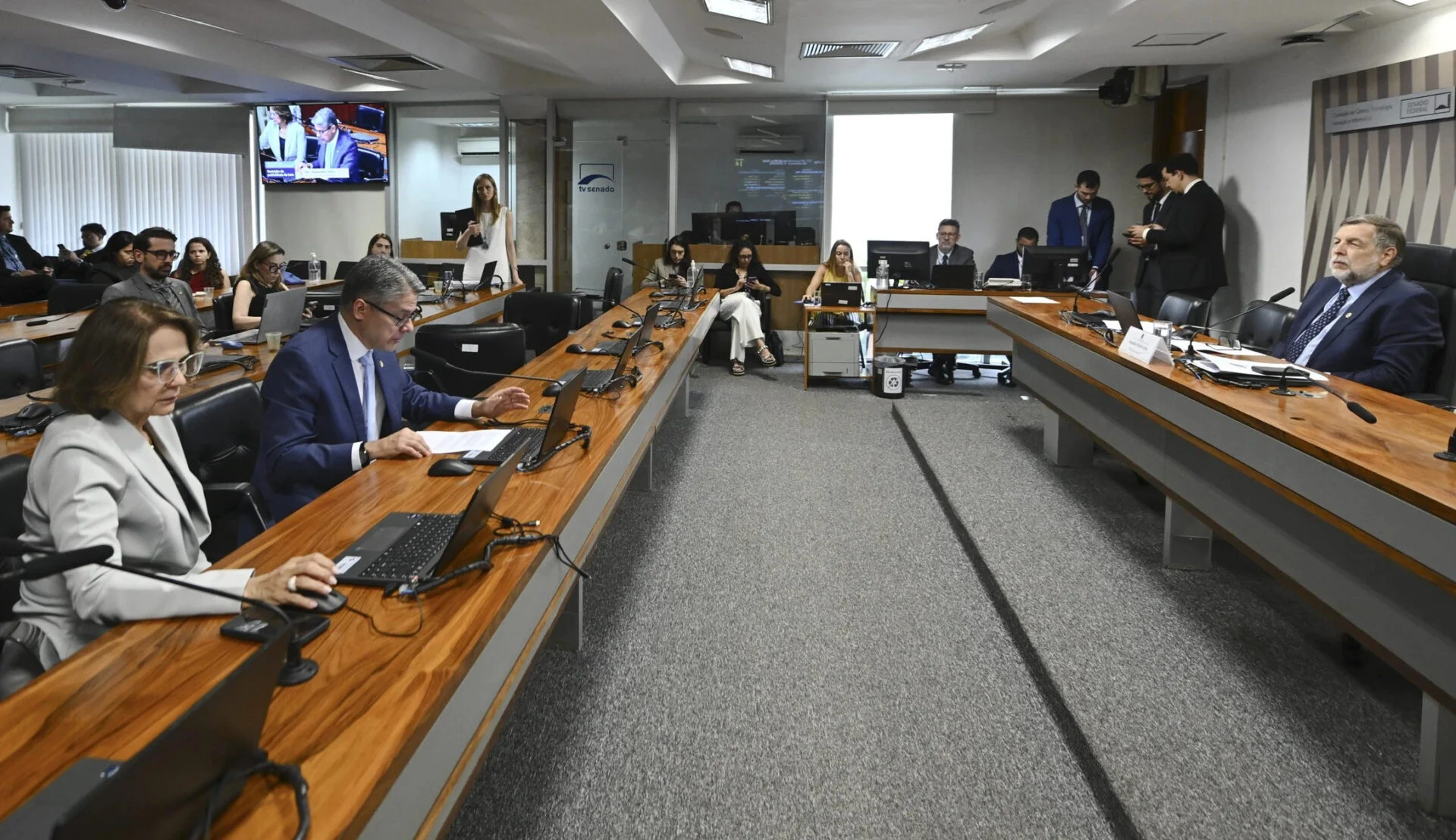
On Wednesday, the Science and Technology Committee (CCT) of the Brazilian Senate advanced a legislative project that seeks to impose tighter restrictions on advertisements and sponsorships related to betting. This proposal also introduces a framework for classifying the risk levels of various betting products and clarifies the responsibilities of operators and platforms. Critics warn that these measures might inadvertently aid the illegal betting market, which would remain untouched by these new regulations. The committee has requested an expedited review by the Senate Plenary.
Bill 2.470/2026, a product of Senator Damares Alves and six co-sponsors, amends the current Betting Law, which governs fixed-odds betting. The key focus of the bill is to safeguard mental health, consumer interests, and family finances. Its substitute version received positive feedback from Senator Alessandro Vieira. "This is a non-partisan initiative. It stems from society's current understanding of the extent of the damage caused by so-called betting," Vieira stated.
During a public hearing on Tuesday, representatives from government and the betting industry presented differing viewpoints on these proposed regulations.
The bill outlines several restrictions concerning advertising:
– Prohibited Advertising: Marketing communications about betting are banned across all platforms, including radio, television, newspapers, magazines, outdoor media, streaming services, podcasts, social networks, video platforms, apps, websites, blogs, forums, search engines, and other online environments.
– Targeted Messaging: Restrictions extend to instant messaging, SMS, email communications, algorithm-targeted advertising, and telemarketing aimed at users who have previously engaged with particular content.
– Broader Dissemination Restrictions: Advertisements within electronic games, esports, sports uniforms, public transport, and content from affiliates or paid intermediaries are also banned.
– Incentives and Promotions: Bonuses, promotional credits, free bets, and loyalty programs intended to attract or retain bettors are prohibited.
– Misleading Information: Any messages that portray betting as a risk-free endeavor or present it as a viable income source are forbidden.
However, institutional communications through authorized operators' official channels, which discuss company identification or self-exclusion protocols, remain allowed. These communications must avoid promoting winnings or bonuses and will hold operators accountable for their affiliates’ promotions.
In terms of sponsorship, betting entities will be barred from sponsoring clubs, sports federations, competitions, cultural events, and even political campaigns or candidates. The ban will also extend to sponsorships involving digital influencers and celebrities. The legislation includes a 24-month grace period for existing contracts to be adapted or terminated, with no new contracts allowed unless they expire within this timeframe.
Additionally, any sponsorships related to youth sports, schools, or projects focusing on mental health will be prohibited. Further, operators cannot use the details of individuals who have opted for self-exclusion or those undergoing treatment to reactivate their accounts.
The proposal mandates operators to implement strict age verification, self-exclusion, and voluntary limits on time and spending. Moreover, all betting with credit cards and designs that complicate the decision to stop betting will be banned. Operators must inform users regularly about gambling risks and potential financial loss.
A crucial aspect of the bill is the establishment of risk classification criteria for betting products based on their potential harm. The characteristics considered include rapid outcomes, repetitive gameplay, and random chance mechanisms. Products deemed high-risk will face specific harm reduction regulations, while excessively risky products, including roulette and slot machines, will be entirely prohibited.
To facilitate compliance, companies providing betting services must swiftly remove non-compliant advertisements following notification from relevant authorities. The bill extends to prevent in-country betting companies from acquiring rights to domestic sporting events. New violations would incur penalties under the existing legal framework, allowing fines up to BRL2 billion ($392.8 million).
One significant amendment proposed by Vieira introduces penalties of one to five years for promoting unauthorized betting operators. This sentence can increase by up to two-thirds if the offender is a prominent public figure, like a digital influencer or athlete.
The bill further establishes a cooling-off period during which professionals transitioning between betting companies and regulatory bodies will be barred from holding regulatory functions, ensuring a separation of interests for 24 months in both directions.

