
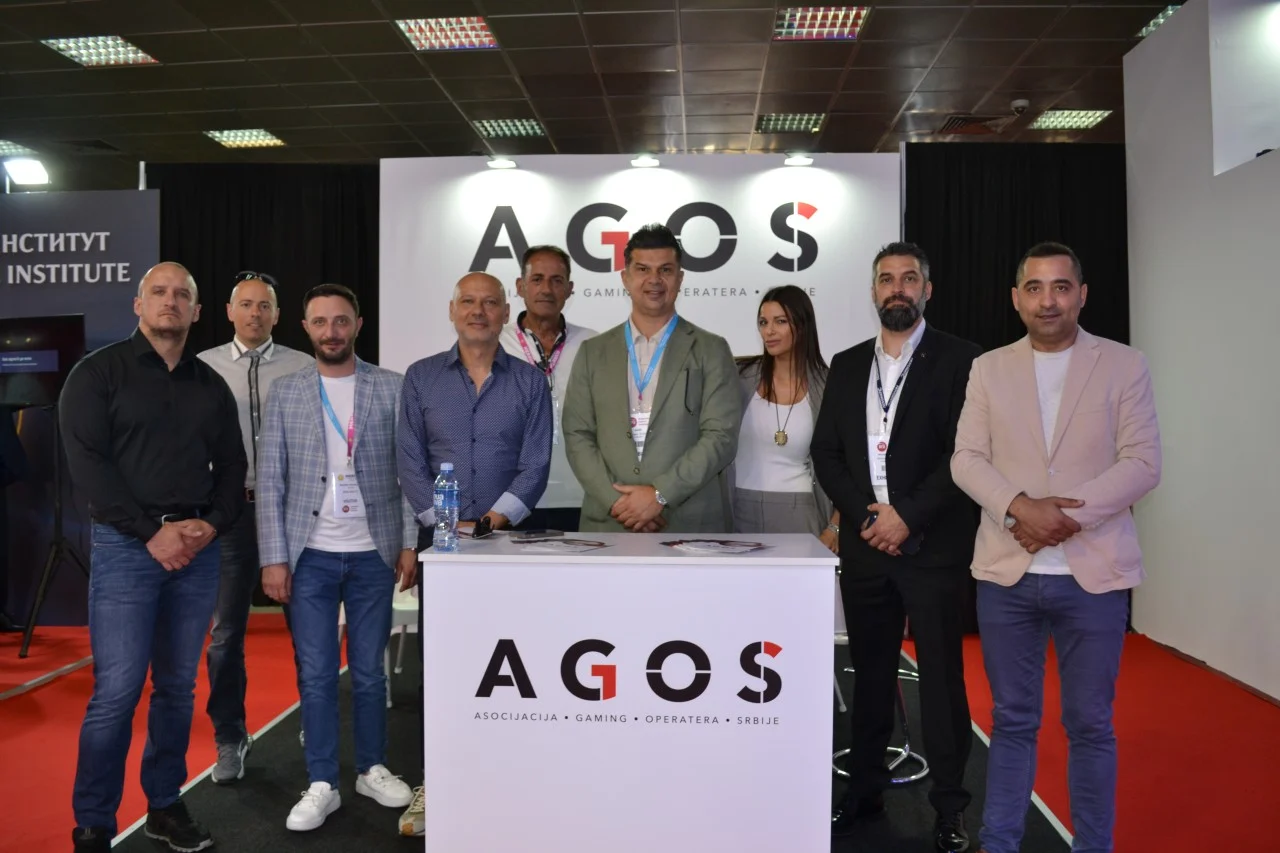
Legal gambling operators in southeastern Europe are facing increasing pressure from a burgeoning black market. Countries such as Romania and Croatia are witnessing illegal operators expanding across borders, developing new techniques to lure in consumers. In response to these challenges, operators are banding together to present a united front.
In March 2023, seven countries initiated the formation of the Balkan Gaming Federation (BGF), which encompasses trade associations from across the Western Balkans, including Serbia, Bulgaria, Croatia, Romania, Montenegro, Bosnia and Herzegovina, and North Macedonia. The federation's founders have articulated two principal goals: combating the illegal market and advocating for balanced regulation in the area. They view these objectives as deeply intertwined.
A core aim of the federation is to amplify the voices of an industry increasingly feeling threatened by stricter regulations, rising taxes, and a ramped-up black market.
Since its establishment, the federation has commenced its operations. Following the Memorandum of Cooperation signed in Belgrade, BGF has chosen to officially base itself in Croatia and will elect its first president this autumn.
As part of its efforts, the federation is coordinating a significant roundtable discussion for Balkan regulators, bringing together major companies, independent experts, and government representatives in an exceptional exchange of ideas. This initiative aims to cultivate a collaborative atmosphere between regulators and the industry on topics like regulation and the black market, moving towards a partnership rather than conflict.
“Licensed operators should not be viewed as part of the problem – they should be recognized as part of the solution,” said Miloš Lalević, vice president of GPIS Montenegro, former deputy minister of sports and culture, and member of Montenegro’s EU negotiation team. “They invest in compliance, responsible gambling programs, consumer protection, technological innovation, and anti-money laundering systems. If governments intend to effectively combat illegal gambling, they need robust and competitive regulated markets.”
However, the past few years have seen the gaming industry in the Balkans being treated as “part of the problem.” Once considered an affordable entry point into European gaming, the region has experienced increasing regulatory measures, coupled with soaring costs.
Lalević highlighted that operators have suffered from “outdated perceptions.” Simultaneously, regulators often overlook the economic contributions of these legal entities. In Romania, the land-based slots sector is particularly hard hit, with severe local authorization laws collapsing the industry. These new regulations come alongside tax increases and a ban on slots in smaller towns, effectively leaving operators at the mercy of local councils.
Operators in Bulgaria face similar restrictions, including a ban on gambling in small towns, a near-total ban on advertising, and expanded self-exclusion measures—all implemented in recent years.
In Croatia, where the federation is established, a noteworthy regulatory overhaul is taking place, instituting strict rules regarding advertising, player identification, and self-exclusion measures. The industry is also confronting steep tax increases and licensing fee hikes.
Lalević expressed concern that many jurisdictions still do not sufficiently comprehend the practical implications of overly restrictive regulations. “When regulation becomes excessively stringent, the opposite of the intended outcome often occurs. Players do not exit the market—they simply move to unlicensed operators that evade the oversight of national regulators and tax authorities, which exacerbates the black market issue.”
The black market is indeed flourishing in the region, despite the struggles of legal operators. Data from Gaming Compliance International (GCI) indicates that by 2025, channelization for online gaming in the Balkans is projected to be just 11%, with illegal gaming making up a staggering 89% of the market. This statistic is based on figures from Serbia, Montenegro, Croatia, Bulgaria, Romania, and Slovenia, excluding Bosnia and North Macedonia.
Filip Jelavić, secretary general of the Croatian gaming association HUPIS, is acutely aware of the threats posed by illegal gaming. He has been actively engaged at both European and local levels to combat the black market using new enforcement strategies.
With Croatia serving as the headquarters of the federation, Jelavić sees the opportunity for HUPIS to strengthen connections between Balkan nations and Europe while providing essential expertise to safeguard the regulated market. “The Croatian industry has been combating illegal gambling for over fifteen years, contributing considerable effort into digital enforcement over the last seven years,” he shared. “Through collaboration with regulators, financial institutions, payment providers, and international partners, we have made significant strides, yet the challenge persists.”
According to Jelavić, the black market in the Balkans has become “increasingly sophisticated and organized.” He noted that unlicensed operators utilize influencers, affiliate networks, social media, and other digital communication channels to attract players to platforms without compliance with regulatory frameworks, often providing little or no consumer protection.
The federation's strategy involves sharing resources and strategies across borders to counter the black market.
Beyond fostering cooperation among southeastern European nations, the Balkan Gaming Federation seeks to establish a “genuine partnership” between public authorities and the industry. Lalević indicated that while some dialogue exists between politicians and trade associations, these discussions often lack depth.
“We are still not seeing enough tangible progress in creating a sustainable balance between the state's legitimate interests and the ability of licensed operators to offer their services competitively,” he stated. The federation aims to present a unified regional voice for change, emphasizing that licensed operators should be viewed not merely as taxpayers—but as crucial partners in promoting responsible gambling, consumer protection, anti-money laundering measures, and broader regulatory objectives.
“The success of public policy in this sector hinges on a robust partnership between regulators and compliant operators,” Lalević added.
The coming year promises to be eventful as the federation embarks on its journey. Aside from the roundtable, plans are underway for closer collaboration with EUROMAT to tackle illegal gambling and protect legal operators. In September, representatives from the European and Balkan associations will convene in Bucharest to align their strategies and enhance industry coordination.
The announcement of the federation’s first president will coincide with the inaugural Balkan Gaming Awards set for November, celebrating the region's local talent. This signifies the industry's determination to unite, recognize its achievements, and safeguard collective interests.
Jelavić expressed a desire for the federation's first year to solidify its status as a “credible regional voice” and a “relevant stakeholder” in discussions with governments, regulators, and European institutions.
“If, after the first year, the federation is seen as a serious regional partner actively engaged in fighting illegal gambling and able to unite operators, suppliers, and industry stakeholders around shared objectives, that would mark a successful beginning,” he remarked.
For Lalević in Montenegro, the federation's success will translate into tangible impacts. With Montenegro aiming for EU accession by 2028, forthcoming challenges include aligning regulatory measures with anti-money laundering and data protection standards. Additionally, collaboration between politicians and industry experts will be essential in navigating emerging technologies like artificial intelligence in promoting safer gambling practices.
The federation's success hinges on its capacity to transform regional unity into effective influence with regulators. The planned roundtable and enhanced cooperation with EUROMAT will serve as preliminary tests in the coming year.
“Ultimately, stronger institutional coordination is not an end goal itself,” Lalević concluded. “It is a means to create more effective regulation, enhanced consumer protection, a successful fight against illegal gambling, and a healthier, more sustainable gaming industry across the Balkans and Europe.”

