
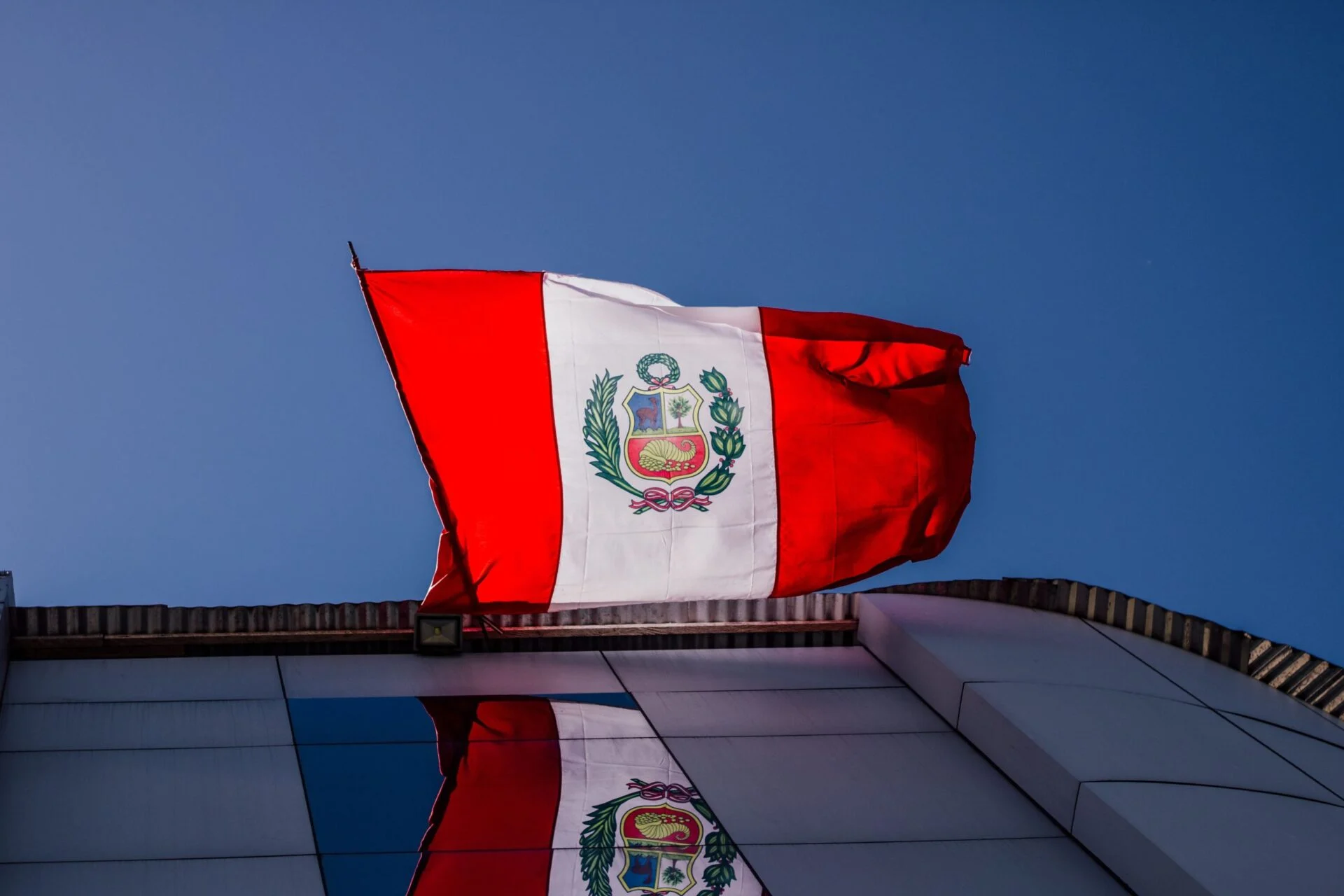
Peru’s regulated gambling market officially launched in February 2024, attracting numerous international operators and establishing a competitive landscape alongside domestic giants like Apuesta Total, which holds the market leadership position.
Jennyfer Escobar, the Peru country manager for Stake, emphasizes the heightened competitiveness in the region, noting, "In the early stages, competition was largely driven by marketing investment, including advertising and sponsorships. Today, product quality, platform performance, and overall user experience have become crucial differentiators. Players are more informed, have higher expectations, and will switch brands if those expectations aren’t met."
While Stake made its entry into the Peruvian market in 2024, Betsson has been operating there since 2008, playing a significant role in shaping its evolution pre- and post-regulation. Andrea Rossi, Betsson’s commercial director for Southern Europe and Latin America, describes the market as “quite polarized,” with a few dominant operators like Betsson outpacing the competition. "I think competition has already evolved. We have seen fierce competition," he states. "We have been there for a long time, and our positioning is quite cemented. However, we must continuously improve and adapt to fit into the Peruvian culture through a localized approach."
The competition between local and international brands reflects a broader trend seen in Latin America, where local companies face significant challenges from international operators that often offer advanced technology and ample capital. Ramiro Atucha, founder and CEO of Atucha Strategic Advisory, highlights that true localization involves more than just language or cultural symbols. He shares a perspective on operator assumptions about player preferences, explaining that it’s essential for companies to understand the historical habits and preferences of local players. "If operators invest the time to understand what players enjoy and their history, it can make a difference," Atucha asserts.
To remain competitive, local operators are increasingly focusing on enhancing their technological capabilities, often collaborating with world-class suppliers. However, Atucha points out challenges as larger platforms may choose to work solely with established tier 1 operators, potentially sidelining smaller companies that could evolve into major players themselves.
Betsson, benefiting from its long-standing presence, has cultivated substantial local expertise. Rossi argues that the company's success stems from a combination of factors, with Peru now representing its largest market in Latin America, contributing 36% of Betsson’s Q2 revenue of €310.2 million. “Peru has always been one of our driving markets in LatAm, requiring consistent investment not only in marketing but also in product development and localization,” Rossi explains.
Similarly, Stake is striving to merge its global influence with a nuanced grasp of local contexts. With licenses acquired in multiple Latin American countries, including Peru, Escobar emphasizes that success is not just about deploying a global platform; it involves deep engagement with local preferences and partnerships. "That balance between global capability and local relevance has allowed us to establish a strong position in one of Latin America’s most competitive markets,” she affirms.
The regulatory framework in Peru is considered one of the most comprehensive in the region, which Rossi views positively, stating: "The rollout of the regulation was super positive. The Peruvian regulation is flexible, modern, and business-friendly, fostering a healthy partnership between the regulator and operators."
Escobar supports this view, noting the market’s rapid adaptation and strong digital engagement since its regulatory establishment. "Looking back over the past two years, the regulation has achieved its primary objective: creating a safer and more transparent market," she comments.
Yet, challenges remain, particularly with the introduction of a selective consumption tax (ISC) on online bets, implemented on July 1, 2025. Atucha critiques the government's approach to taxation, warning that such policies can push players back to unregulated markets. Rossi echoes these sentiments, stating that the ISC could undermine the effective channelization of players into regulated offerings.
Atucha expresses concern over the long-term implications of current tax strategies, referencing precedents in markets like the UK and Germany, which have faced significant challenges due to similar taxation environments. He urges regulators to observe these scenarios closely to avoid potential pitfalls.
Both Escobar and Rossi foresee an evolving competitive landscape in Peru, each offering differing perspectives on the market's maturity and future growth potential. Escobar believes the market is transitioning from rapid expansion to a quality-driven focus, while Rossi views Peru as historically mature, influenced by significant mobile penetration and a new generation of digital consumers.
As the market advances, how operators engage with new online users will be crucial. Rossi emphasizes the need to educate these newcomers on responsible gaming practices. The interplay between competition, regulation, and technology will determine the trajectory of Peru's gambling market moving forward.

