
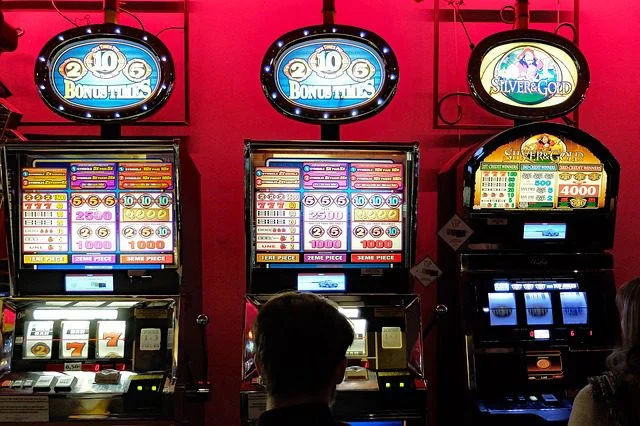
High-street gambling businesses in the UK face a critical challenge: how to defend their industry without suggesting that other establishments should bear the brunt of tax increases. With proposals to double the machine games duty (MGD) to 40%, there is pressure within the sector to differentiate between more esteemed bookmakers and allegedly less reputable adult gaming centres (AGCs).
Nick Rust, a former chief executive at the British Horseracing Authority and an industry veteran, believes that public debate over these distinctions may not benefit anyone involved. He noted, "I don’t think the public really differentiates between locations on the high street where you can play machines. Whenever you start attacking a subsector within your own industry, you need to consider what that looks like. Whataboutery isn’t going to help anyone."
Warnings regarding the potential for MGD to double are widespread. Regulus Partners estimates that such a move could leave the industry with only around 1,500 betting shops, resulting in approximately 4,000 closures and the loss of 28,000 jobs, alongside a £92 million hit to the racing sector. According to their calculations, an average betting shop yields about £440,000 in revenue yearly, roughly split between betting and gaming machines. After accounting for staffing, taxes, rent, racing payments, and other costs, the average shop nets around £44,000. However, a doubled MGD would increase costs by approximately £45,000, wiping out this net contribution.
Regulus warns that the fallout would not just be a matter of immediate shop closures but would also unfold over time through lease and refurbishment cycles. They also forecast that betting shops’ MGD receipts would decline by roughly 32%, dropping to about £155 million, undermining the anticipated revenue-raising intentions behind the tax increase. Rust finds this prediction credible, stating, "The 1,500 number rings true to me. This isn’t crying wolf now." He acknowledges that while some industry warnings in the past may have been exaggerated, current operating pressures from rising costs are palpable, including media rights and National Insurance increases.
The Bingo Association’s CEO, Nicole Barrett, has also spoken out against the hike, asserting on BBC Breakfast that thousands of bingo jobs could be jeopardized. She emphasized that machines provide crucial secondary income for bingo clubs, calling the proposed tax increase an additional threat. Dominic Mansour, CEO of Buzz Bingo, echoed her sentiment on BBC Five Live, stating that even a modest 5% rise in MGD could make a third of his clubs financially unviable, describing the potential consequences as "really, really tough."
Consultant Vaughan Lewis, previously associated with Evoke and currently with Teise Advisory, views the tax threat within the context of racing’s reliance on bookmakers. He argues that the income from machines supports shops that contribute to racing's levy and media rights, whereas AGCs do not make those payments. He suggests that higher taxes could inadvertently bolster arcades while undermining the retail distribution vital to racing.
An anonymous industry consultant raises concerns about the ability to classify venues offering the same types of machines differently. According to this source, the safety of players is not determined by the type of venue. The potential for AGCs to absorb displaced customers from betting shops facing closures is also dubious; they too would struggle with a significant MGD increase.
Regulus has not projected similar forecasts for AGCs but warned against assuming that these venues would be resistant to MGD hikes. By suggesting that AGCs could withstand higher taxes, bookmakers may unintentionally validate the Treasury's arguments for raising them. Rust cautions against the internal divisions seen during the fixed-odds betting terminal (FOBT) debate, recalling how BACTA’s attacks on bookmakers were detrimental to the overall industry.
In light of this, Rust advocates for a more conciliatory stance, pointing out that attacking another segment will unlikely sway public opinion.
Beyond the financial implications for racing, Rust fears that local betting shops may vanish entirely, echoing a broader trend of high-street closures that leave fewer communal spaces. He reflected on his town's dwindling number of betting outlets, foreseeing a future without any. The loss of licensed venues could drive patrons toward illegal gambling in unregulated spaces.
Meanwhile, racing faces its own challenges. Rust contends that the sector has too heavily relied on betting revenues without diversifying its income streams. He suggests that a fundamental question remains regarding the actual outcomes of increased duty: whether it will truly generate the anticipated revenue, lead to business closures, and where displaced customers will transition.
While bookmakers and AGCs may have differing interests, advocating that one sector can withstand the tax increase may weaken the overall argument against it. The struggle over which establishments deserve to continue could jeopardize the entire high-street gambling landscape.

