
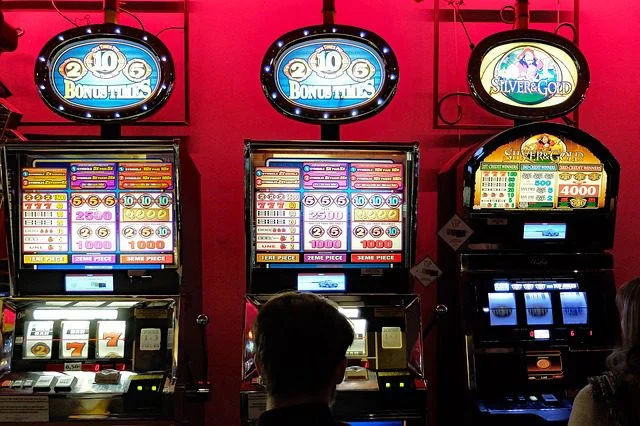
UK high-street gambling businesses are currently grappling with a significant challenge: not only the financial strain of a potential increase in machine games duty (MGD) but also the moral dilemma of defending their interests without casting aspersions on other sectors of the industry. With the MGD possibly set to double from 20% to 40%, some in the sector are tempted to define themselves as more deserving than adult gaming centres (AGCs).
Nick Rust, the former chief executive of the British Horseracing Authority and a veteran of the betting industry, questions whether this approach serves the interests of any party. "I don’t think the public really differentiates between locations on the high street where you can play machines," he states. Rust warns against fierce criticism within the industry itself, calling it "whataboutery" that ultimately does not benefit anyone.
Economic forecasts regarding the potential doubling of MGD paint a dire picture. Regulus Partners estimates that such a move could lead to the closure of around 4,000 betting shops and the loss of approximately 28,000 jobs, which would impact racing to the tune of £92 million. Their analysis indicates that a typical betting shop generates an annual revenue of about £440,000, evenly split between betting and machine income. However, with increased tax burdens, each shop's contribution could dwindle around £45,000, effectively erasing their profitability.
Rust concurs with these estimates, deeming the prospect of 1,500 remaining betting shops to be realistic. He asserts, "This isn’t crying wolf now," although he differentiates the current warnings from past predictions that he believes overstated the fallout from earlier tax reforms.
The Bingo Association is also adding its voice to the resistance against the MGD hike. Nicole Barrett, its CEO, highlighted on BBC Breakfast the thousands of jobs at risk within the bingo sector, where machine income serves as a crucial secondary revenue source. Buzz Bingo’s CEO, Dominic Mansour, echoed these concerns, predicting that even a mere 5% rise in MGD could render a third of his clubs unsustainable.
Consultant Vaughan Lewis, in The Racing Post, argues that the tax threat fundamentally affects the horse racing industry, which relies heavily on income from bookmakers who pay various fees. He suggests that AGCs, which do not contribute to these racing payments, might benefit at the expense of the racing industry's distribution channels.
An anonymous industry consultant challenges the notion that there is a meaningful distinction between betting shops and AGCs that offer similar gaming machines. "On principle, category B machines are either OK or not OK," they assert, arguing that the difference in venue type has little bearing on player safety. They warn that AGCs might face their own challenges should the MGD rise, contradicting the perception that they could absorb the influx of displaced customers from betting shop closures.
Rust proposes a more unified strategy. Recalling the hostility between amusement arcades and betting shops during previous tax debates, he believes that attacking another sector brings no advantages. He questions whether such internal conflict would resonate with the public, stating, "Will attacking another part of the industry have an impact on the public? No."
Beyond economic concerns, Rust perceives a deeper impact on communities. He notes the decline of betting shops in his area, fearing that local residents could soon find themselves without any place to gamble or socialize. This trend parallels the closing of pubs and other traditional meeting spots, raising concerns about promoting illicit gambling behaviors as sanctioned venues disappear.
Moreover, Rust critiques the racing industry for over-reliance on betting revenues without preparing for the future. "Racing has remained drunk on the revenues from betting without thinking about what might happen in the future," he claims. Ultimately, he argues for a consolidated voice against the tax increase, emphasizing that higher MGD would not only threaten livelihoods but could also fail to produce the anticipated tax revenues, leading to a weaker state of the high street gambling industry overall.
The conversations unfolding between bookmakers and AGCs suggest not just a competition for survival, but a crucial stake in the future of the gambling landscape on high streets across the UK.

